The Masseurs
1963 · 20m · Documentary
Anma (The Masseurs) is a representative and historical work by the creator of Butoh dance, Tatsumi Hijikata in his early period in the 1960s. The film is realized not only as a dance document but also as a Cine-Dance, a term made by Iimura, that is meant to be a choreography of film. The filmmaker "performed" with a camera on the stage in front of the audience. With the main performers: Tatsumi Hijikata and Kazuo Ohno, the film has the highlights such as Butohs of a soldier by Hijikata & a mad woman by Ohno. There is a story of the mad woman, first outcast and ignored, at the end joins to the community through her dance. Inserted descriptions of Anma (The Masseurs) are made for the film by the filmmaker, but were not in the original Butoh. The film, the only document taken of the performance, must be seen for the understanding of Hijikata Butoh and the foundation of Butoh.
More Like This
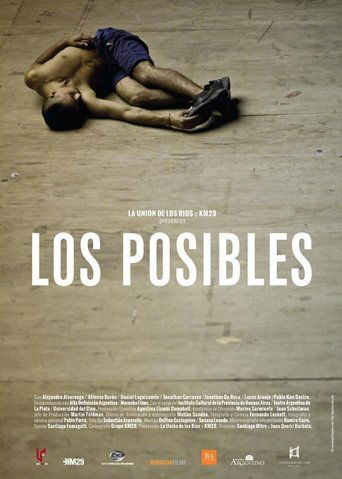
Los posibles
2013 · ★ 7
Santiago Mitre co-directs his first movement following The Student together with choreographer Onofri Barbato. Although it would have been more accurate to say “his first film-story-adventure-movie-great movie following The Student”, the word movement fits perfectly in Los posibles, the most overwhelmingly kinetic work Argentine cinema has delivered in many, many years. The film deals with the adaptation of a dance show directed by Onofri together with a group of teenagers who came to Casa La Salle, a center of social integration located in González Catán, trying to find some refuge from hardship. Already entitled Los posibles, the piece opened in the La Plata Tacec and was later staged in the AB Hall of the San Martín Cultural Center. Now, it dazzles audiences out of a film screen, with extraordinary muscles and a huge heart: Los posibles is a rhapsody of roughen bodies and torn emotions. Precise and exciting, it’s our own delayed, necessary, and incandescent West Side Story.
More info →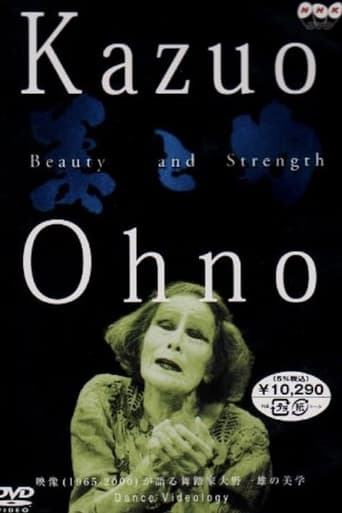
Kazuo Ohno: Beauty and Strength
2001
In the 60's and into the 70's, Kazuo Ohno himself produced three 16mm films. His many performances at the "Teatro Fonte" in Yokohama have been preserved with high quality Beta cameras. In addition, the television station NHK has made recordings of many of his theater performances since the premiere of "The Dead Sea" in 1985. Together, the Kazuo Ohno Dance Studio and NHK own over one hundred hours of footage. This is complemented by a 1994 film by Daniel Schmid and new 16mm footage of Kazuo Ohno filmed especially for this project in October of 2000. From these resources, this 111 minute Video/DVD was assembled. "Beauty and Strength" includes dance performances, film excerpts and interviews, examples of Ohno's drawings and writings, as well as biographical information, creating a comprehensive look into the world of Kazuo Ohno's dance.
More info →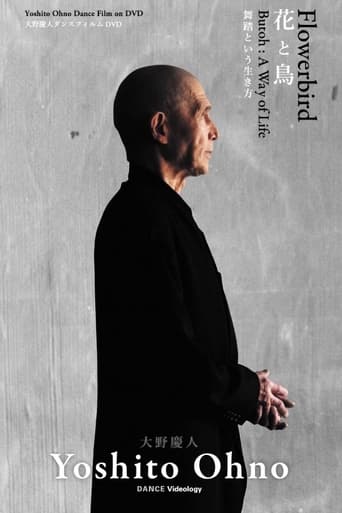
Flowerbird Butoh: A Way of Life
2015
Comprising historic archive footage and texts this DVD box enlightens us greatly about Yoshito Ohno's here and now. Butoh has a distinct starting point, namely, in 1959, with Kinjiki , a duet featuring Tatsumi Hijikata and Yoshito Ohno. His father, the legendary Kazuo Ohno created another epoch-making opus in 1977 Admiring La Argentina, with Yoshito Ohno as production manager. These links are no mere coincidence. To date, we've tended to overlook Yoshito Ohno, barely granting him the recognition he merits. Just as dance requires a lengthy gestation period in which to evolve, his dance has finally come into our field of vision, in all its freshness and stark-nakedness, linking Butoh's origins to its zenith, to a point where he now stands at a crossroads.
More info →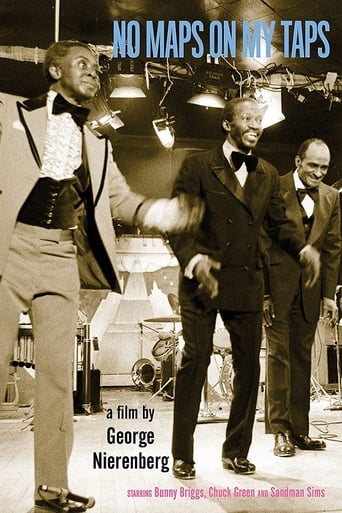
No Maps on My Taps
1979 · ★ 7
The remarkable spirit of tap dancers and their history provides a joyous backdrop for intimate portraits of hoofers Sandman Sims, Chuck Green, and Bunny Briggs.
More info →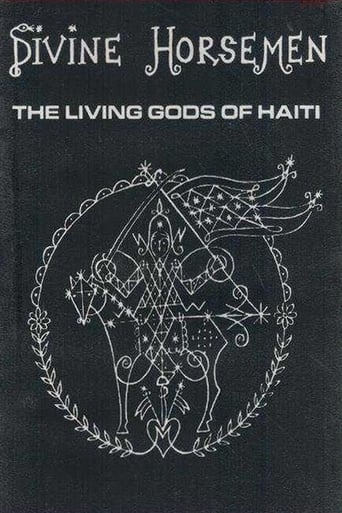
Divine Horsemen: The Living Gods of Haiti
1993 · ★ 6.3
This intimate ethnographic study of Voudoun dances and rituals was shot by Maya Deren during her years in Haiti (1947-1951); she never edited the footage, so this “finished” version was made by Teiji Ito and Cherel Ito after Deren’s death.
More info →
Coalesce
★ 10
In 2020, the World was closed. Life got cancelled. People were struggling. Here’s an emotional and entertaining true story shot live, during the pandemic, about courageous people who came together, despite the risk, to share their love with one another. The film opens in Times Square on NYE 2020. Everything seemed right with the World. Fast-forward six months into the pandemic, hundreds of artists from all different performance art genres are invited to come together over the course of several consecutive days, culminating in a group costume parade event on 10/10/2020 to witness the only live performances happening ANYWHERE. The goal was to lift each other's spirits during the 2020 Covid-19 pandemic. There were over a dozen genres represented including acrobatics, live music, magic, dance, and even a wedding. Dozens of unscripted live interviews were recorded and the event proved a huge success. The film captures the rawness of what it was like living during this unprecedented time.
More info →
Daughters
2024 · ★ 6.9
Four young girls prepare for a special Daddy Daughter Dance with their incarcerated fathers, as part of a unique fatherhood program in a Washington, D.C., jail.
More info →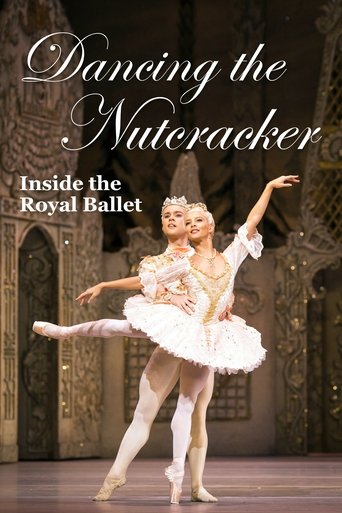
Dancing the Nutcracker: Inside the Royal Ballet
2016 · ★ 10
This Christmas, step into the magical world of The Nutcracker. For the first time in many years, the Royal Ballet has given full access behind the scenes for a landmark 90-minute documentary as they prepare for this season's yuletide production.
More info →
Green Light
2023
Moments of a group of high school students at a party, before the college admission tests start.
More info →
Electronic Awakening
2011 · ★ 1.5
A documentary following the conscious evolution of electronic music culture and the spiritual movement that has awakened within.
More info →
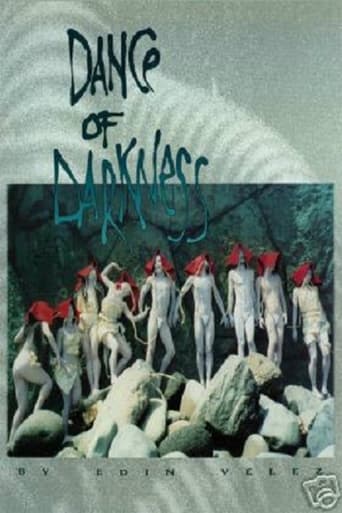
Dance of Darkness
1989 · ★ 9
The dark sensibilities and cultural resonances of Butoh, the radical Japanese dance movement, are explored in this multilayered work. Profoundly rooted in both traditional and contemporary Japanese culture, Butoh arose in a spirit of revolt in the early 1960s. Characterized by frank sexuality and bodily distortions, Butoh transforms traditional dance movements into new forms, stripping away the taboos of contemporary Japanese culture to reveal a secret world of darkness and irrationality.
More info →