Becoming Who I Was
★ 9 · 2017 · 96m · Documentary
Angdu is no ordinary boy. Indeed, in a past life he was a venerated Buddhist master. His village already treats him like a saint as a result. The village doctor, who has taken the boy under his wing, prepares him to be able to pass on his wisdom. Alas, Tibet, Angdu’s former homeland and the centre of his faith, lies far away from his current home in the highlands of Northern India. On top of that, the conflict between China and Tibet makes the prospect of a trip there even more daunting. Undeterred by these harsh facts, the duo set off for their destination on foot, accompanied by questions of friendship and the nature of life. With its narrative approach steeped in a serene sense of concentration, this documentary film, composed over a period of eight years, stands as a fundamental experience in its own right.
More Like This
Tarnation
2003 · ★ 6.8
Filmmaker Jonathan Caouette's documentary on growing up with his schizophrenic mother -- a mixture of snapshots, Super-8, answering machine messages, video diaries, early short films, and more -- culled from 19 years of his life.
More info →
Inside China: The Battle for Tibet
2025 · ★ 8
For the first time in nearly 20 years, documentary cameras go undercover inside Tibet to investigate China's growing control over its population. Under fear of arrest and facing Beijing's highly-advanced state surveillance, the filmmakers reveal what life is like inside one of the most heavily-guarded and underreported regions in the world. As he reaches 90 years-old this year, the succession of the Dalai Lama - Tibet's exiled spiritual leader - is approaching a critical point. The film investigates the mystery of a missing boy, the 11th Panchen Lama, abducted by Beijing 30 years ago whose role now holds the key to the Dalai Lama's successor and to Tibet's future.
More info →
Lord of the Dance/Destroyer of Illusion
1985 · ★ 9
The documentary focuses on the annual Mani Rimdu festival of Tibet and Nepal, an event which encapsulates the Himalayan Buddhist experience.
More info →
How to Cook Your Life
2007 · ★ 5.6
A Zen priest in San Francisco and cookbook author use Zen Buddhism and cooking to relate to everyday life.
More info →
To Be First: The Quest for Yangmolong
2014
Among the last unclimbed peaks on earth there stands a little-known mountain in a remote region of China. Follow a climbing expedition as they make three attempts over the span of three years to summit the 6060-meter Yangmolong Mountain.
More info →
In Viaggio: The Travels of Pope Francis
2022 · ★ 6.7
A chronicle of the first nine years of Pope Francis' pontificate, including trips to 53 countries, focusing on his most important issues - poverty, migration, environment, solidarity, and war - while also giving rare access to the public life of the pontifical.
More info →
Blindsight
2006 · ★ 6.8
Six blind Tibetan teenagers climb the Lhakpa-Ri peak of Mount Everest, led by seven-summit blind mountain-climber Erik Weihenmayer.
More info →
Buddhism, Bhutan and Me
2021
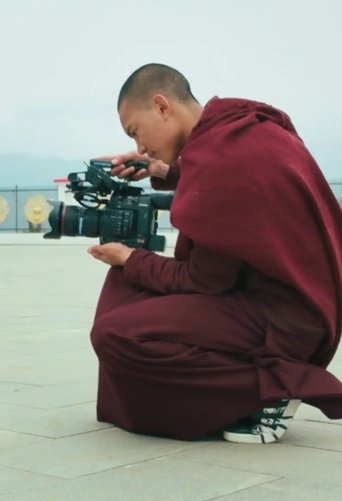
Rinzin Jurmey chose to join a monastery and dedicate his life to Buddhism at the age of 11, loving its rituals and traditions. Now 18, he moves harmoniously between mountain village and city, embracing tradition and pop culture, religion and hip-hop, prayer and video games. With guidance from cinematographer Cat Papadimitriou, Jurmey documents the ways in which he – and his country – are striving to preserve ancient practices while embracing modernity.
More info →Es gibt kein zurück
2024
The documentary film "There is no turning back" by Stéphane Kleeb tells the story of the Tibetan siblings Losang and Dechen Barshee, who came to Switzerland as refugee children in 1964. After a difficult childhood in various foster families, they return to Tibet with their mother 40 years later. This journey confronts them with the alienation from their mother and their changed homeland. The film addresses homelessness, uprooting and lost dreams.
More info →
I Shot My Love
2009 · ★ 3.8
Seventy years after his grandfather escapes from Nazi Germany to Palestine, Israeli documentary director Tomer Heymann returns to the country of his ancestors to present his film "Paper Dolls" at the Berlin International Film Festival, and there meets a man who will change his life. This 48-hour love affair, originating in Berghain Panorama Bar, develops into a significant relationship between Tomer and Andreas Merk, a German dancer.
More info →