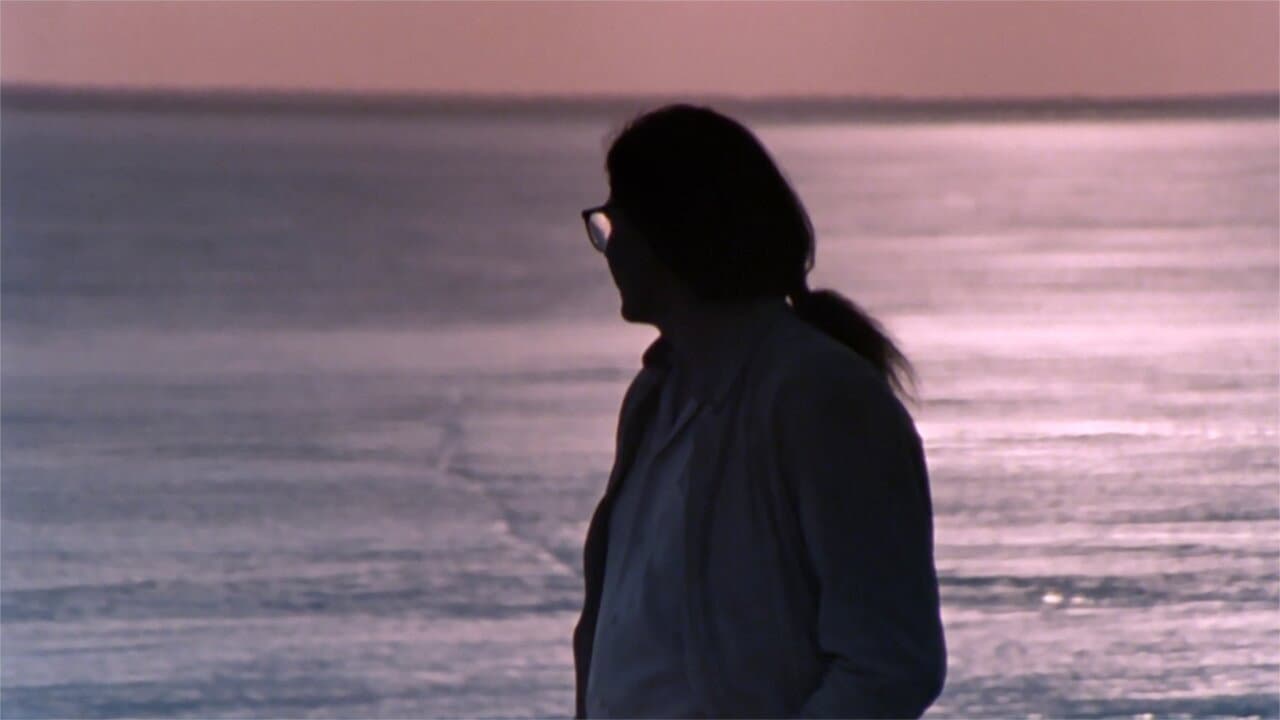
Foster Child
★ 5 · 1987 · 43m · Documentary
Gil Cardinal searches for his natural family and an understanding of the circumstances that led to his becoming a foster child. An important figure in the history of Canadian Indigenous filmmaking, Gil Cardinal was born to a Métis mother but raised by a non-Indigenous foster family, and with this auto-biographical documentary he charts his efforts to find his biological mother and to understand why he was removed from her. Considered a milestone in documentary cinema, it addressed the country’s internal colonialism in a profoundly personal manner, winning a Special Jury Prize at Banff and multiple international awards.
More Like This
Film for Blind Poet
2012 · ★ 2
Glauco Mattoso, a blind sadomasochistic poet, agrees to participate in a documentary about his own life, but the conditions he imposes raise difficulties to the work of the young director.
More info →
The Whale and the Raven
2019 · ★ 8.7
Director Mirjam Leuze’s The Whale and The Raven illuminates the many issues that have drawn whale researchers, the Gitga’at First Nation, and the Government of British Columbia into a complex conflict. As the people in the Great Bear Rainforest struggle to protect their territory against the pressure and promise of the gas industry, caught in between are the countless beings that call this place home.
More info →
The Art of Fire
1979 · ★ 6
The glass industry, focusing on the master craftsmen of Bohemian crystal.
More info →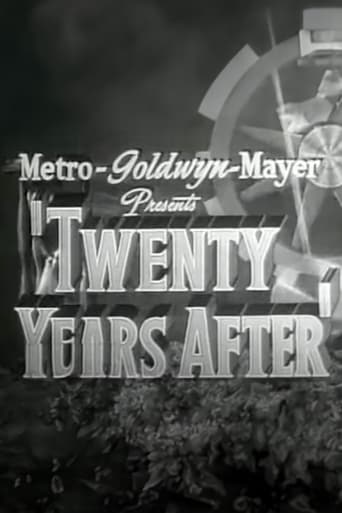
Twenty Years After
1944 · ★ 8
This short celebrates the 20th anniversary of MGM. Segments are shown from several early hits, then from a number of 1944 releases.
More info →We're in the Movies, Now!
1939 · ★ 4
Promotion reel/souvenir of a 1939-40 meeting of the Paramount Studios sales people.
More info →
Shutterbug
2024 · ★ 10
Shutterbug follows a troubled teenager named Thomas as he explores his passion for photography. The film portrays Thomas's journey from a confident, even arrogant, young photographer who believes himself to be a prodigy, to a humbled individual who discovers a deeper purpose in his art. This mockumentary reveals Thomas's struggles with self-doubt and his eventual understanding of what truly motivates his art.
More info →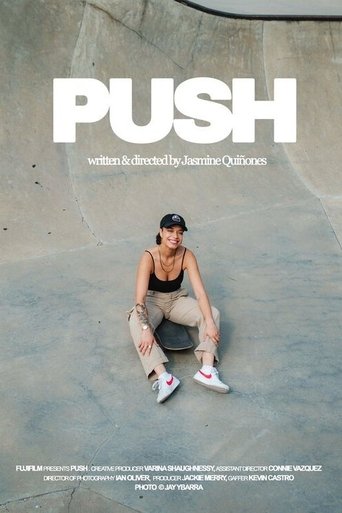
Push
2022
“Push,” is a story of self-discovery, found in the simple joys of skateboarding. This film explores ideas of identity and quickly becomes an anthem for the inner strength that can be found in finding a community.
More info →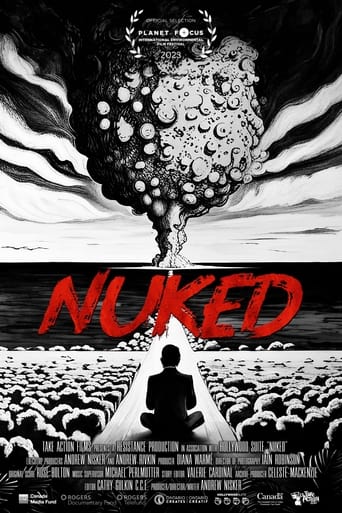
NUKED
2023 · ★ 7.5
The US detonated 67 nuclear weapons over the Bikini Atoll in the Marshall Islands during the Cold War, the consequences of which still reverberate down four generations to today. "NUKED," is a timely new feature documentary focussing on the human victims of the nuclear arms race, tracing the displaced Bikinian's ongoing struggle for justice and survival even as climate change poses a new existential threat. Using carefully restored archival footage to resurrect contemporaneous islanders’ voices and juxtaposing these with the full, awesome fury of the nuclear detonations, NUKED starkly contrasts the official record with the lived experience of the Bikinians themselves, serving as an important counterpoint to this summer’s Oppenheimer.
More info →The Junk King
2012
The Junk King (Vince Hannemann) gives valuable insight regarding his art and the Cathedral of Junk in Austin, TX.
More info →
Amén Jesús
1969
An experimental and iconoclastic journey through the Spanish Holy Week in the late sixties.
More info →