Harry Caudill: A Man of Courage
2015 · 57m · History · Documentary
One of the most important Kentuckians of the 20th century, Harry Caudill brought the story of Appalachia to national attention when his book “Night Comes to the Cumberlands” was released in 1963. The nonfiction account of Eastern Kentucky’s coal region, part history and part polemic, eloquently recounted the exploitation of Appalachia’s land and its people by business and government interests, and made Caudill a national spokesperson for his homeland. Harry Caudill spent his life advocating for Eastern Kentucky, with the aim of helping the powerless as well as securing the region’s unmatched natural resources for future generations. His work led to lasting government reforms for Appalachia, and his legacy remains a touchstone for activists today.
More Like This
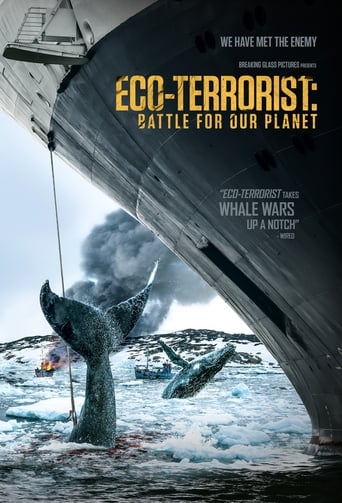
Eco-Terrorist: Battle for Our Planet
2019
Eco-Terrorist: The Battle for Our Planet follows the most wanted environmentalist today, Captain Paul Watson. In this unique and groundbreaking film, Brown takes a deeper look into what really goes on behind the scenes in the deep waters of our world. More pranks, the glory of successful missions, and fiercer encounters with some of the most infamous and illegal marine hunters, while stopping at nothing to protect wildlife on a global scale. The film takes the audience right to the frontlines of the modern day environmental movement via those who started it.
More info →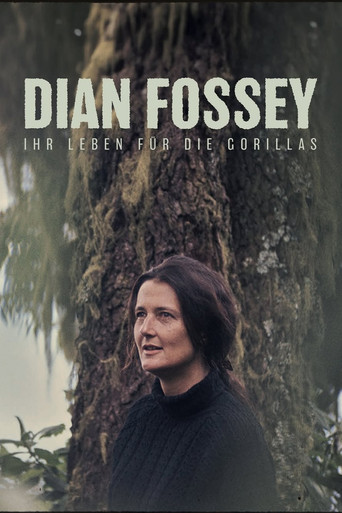
Dian Fossey: Ihr Leben für die Gorillas
2025 · ★ 8
She was the first to study gorillas in their natural environment: the high mountains of Rwanda, where she settled in 1967. For nearly twenty years, Dian Fossey lived with the gorillas, observed their behavior, and changed the way people viewed them. Her relentless fight against poaching prevented the species from becoming extinct. But in December 1985, the primatologist was murdered, and the mystery surrounding her death remains unsolved. Former colleagues, scientists, and biographers shed light on the impact of her work, but also on the darker sides of her personality and her uncompromising commitment.
More info →
Edward Abbey: A Voice in the Wilderness
1993
When Edward Abbey died in 1989 at the age of sixty-two, the American West lost one of its most eloquent and passionate advocates. Through his novels, essays, letters and speeches, Edward Abbey consistently voiced the belief that the West was in danger of being developed to death, and that the only solution lay in the preservation of wilderness. Abbey authored twenty-one books in his lifetime, including Desert Solitaire, The Monkey Wrench Gang, The Brave Cowboy, and The Fool's Progress. His comic novel The Monkey Wrench Gang helped inspire a whole generation of environmental activism. A writer in the mold of Twain and Thoreau, Abbey was a larger-than-life figure as big as the West itself.
More info →Into the Pit: The Shocking Story of Deadpit.com
2009 · ★ 5.8
Prestonburg, KY is a small blue-collar town with hunting, fishing, coal mining, and two of the biggest names in online horror talk radio: Wes Vance and Aaron Frye (aka "The Creepy Kentuckian" and "Uncle Bill") The two self-proclaimed "redneck geeks" bonded at a young age while their weekends devouring horror films. They now use their extensive horror knowledge to record a weekly podcast on DEADPIT.com and have found a worldwide audience through their candid conversation, quick wit, and lots of swearing. What started as an outlet to express their love for horror films has evolved into an online industry with millions of followers and the ability to talk to their childhood heroes. But what happens when your childhood pursuits start to collide with your adult aspirations? Can Deadpit survive it's own success?
More info →
Burkinabè Bounty
2018
This documentary chronicles agricultural resistance and the fight for food sovereignty in Burkina Faso – a small, landlocked country in West Africa. Showcasing activist farmers, students, artists and leaders in the local Slow Food movement, the film looks at how the Burkinabé people are reclaiming their land and defending their traditions against the encroachment of corporate agribusiness. From women gaining economic independence by selling artisanal “dolo” beer, to youth marching in the streets against companies like Monsanto, to hip-hop musicians setting up their own farms and reviving the revolutionary spirit of Thomas Sankara through their music, Burkinabè Bounty shows the creative tactics people are using to take back control of their food, seeds, and future.
More info →
Bluegrass Kingdom: The Gospel of Kentucky Basketball
2013
The fabled past of this iconic college basketball powerhouse is examined and reflected upon by some of the program's most notable figures, including Pat Riley, Jamal Mashburn, Michael Kidd-Gilchrist, Joe B. Hall, and John Calipari.
More info →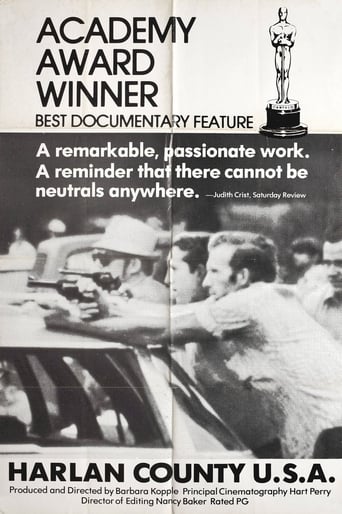
Harlan County U.S.A.
1976 · ★ 7.6
A heartbreaking record of the thirteen-month struggle between a community fighting to survive and a corporation dedicated to the bottom line.
More info →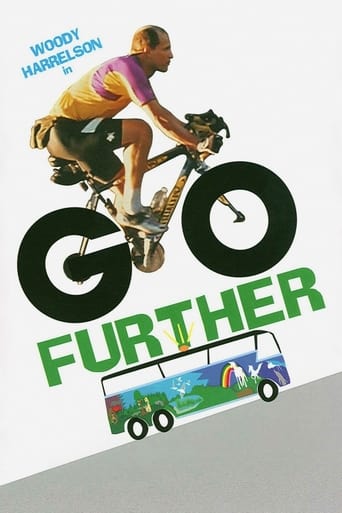
Go Further
2003 · ★ 6.8
"Go Further" explores the idea that the single individual is the key to large-scale transformational change. The film follows actor Woody Harrelson as he takes a small group of friends on a bio-fueled bus-ride down the Pacific Coast Highway. Their goal? To show the people they encounter that there are viable alternatives.
More info →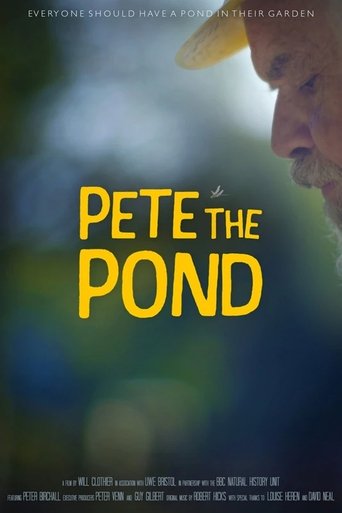
Pete the Pond
2022
Pete the Pond has spent the last 20 years trying to return Britain's aquatic wildlife to its former glory. Despite his best efforts, the abundance of creatures he remembers from his childhood are quickly disappearing. As he sets out to build yet another wildlife pond in a British garden, a letter from his local council threatens to destroy his life's work.
More info →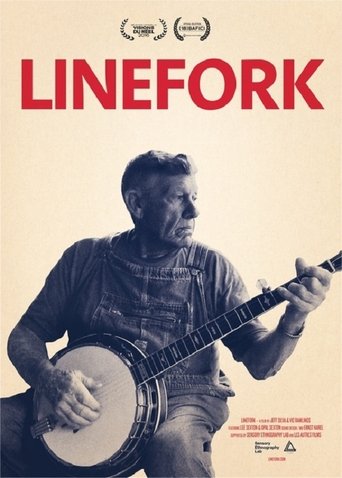
Linefork
2016
Lee and Opal Sexton live in the mountains of Eastern Kentucky, farming the land where Lee was raised. Lee is a retired coal miner and revered banjo legend, a living link to the deep past of American music. Though now well into his eighties and hampered by age, Lee continues to perform and teach his distinctive 2-finger banjo style to a new generation eager to preserve a vanishing cultural tradition. Linefork offers an immersive view of Lee and Opal's daily rituals and inherent resilience while documenting the raw yet delicate music of a singular musician, linked to the past yet immediately present.
More info →
In Memory of the Land and People
1977
“…It is a film that tells in hurried film sequences and a resonant musical score juxtaposing the sublime, funereal despair of Bartok agains tthe gut-bare tones of folk music. Gates has through his filming technique and meticulously selected mining sites, captured all the outrage and sorrow and indignity to the land and its people that strip mining represents. The film is one that all Americans should see, for it shows extremely well the price we have to pay for strip mined coal.” - Dale A. Burk, The Montana “Missoulian”
More info →