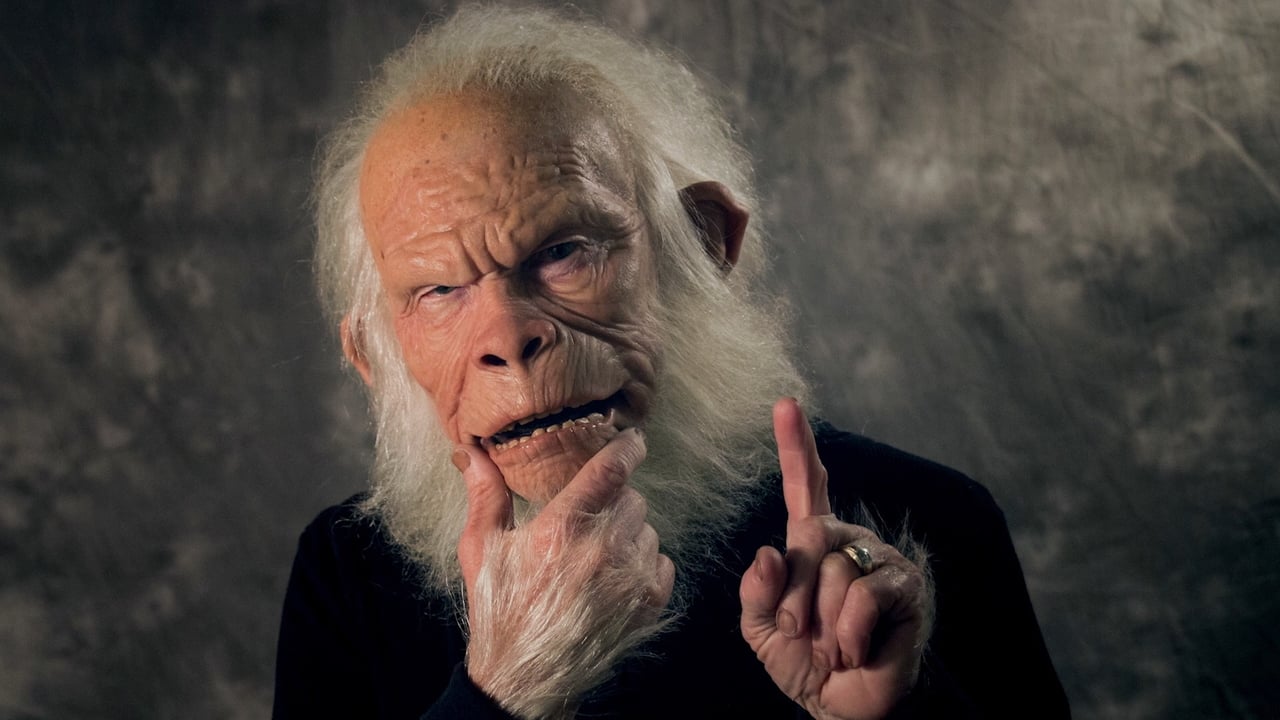
Making Apes: The Artists Who Changed Film
★ 6.8 · 2019 · 86m · Documentary
Fifty years after its release, the special effects makeup team behind Planet of the Apes reflect on making the iconic film.
More Like This
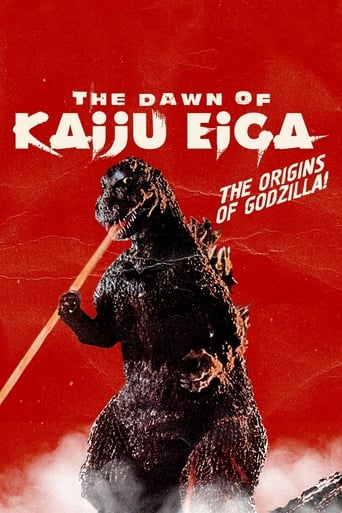
The Dawn of Kaiju Eiga
2019 · ★ 8.7
Japan, 1954. A legend emerges from the ashes of Hiroshima and Nagasaki, devastated by atomic bombs in 1945. The creature's name is Godzilla. The film that tells its story is the first of kaiju eiga, the giant monster movies.
More info →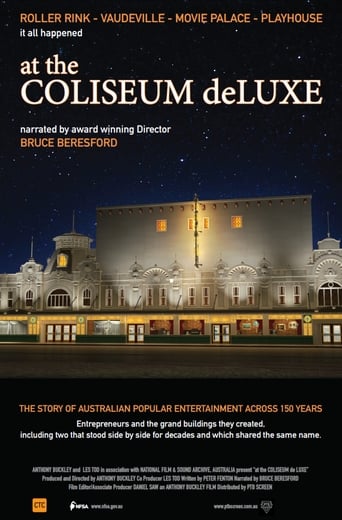
At the Coliseum Deluxe
2019 · ★ 4
A feature length documentary about Australian popular entertainment across 150 years; of Skating and Dancing, Vaudeville and Moving Pictures.
More info →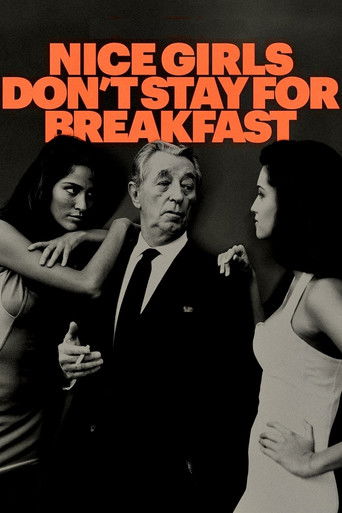
Nice Girls Don't Stay for Breakfast
2019 · ★ 5.3
In the late 1990s, iconic photographer Bruce Weber barely managed to convince legendary actor Robert Mitchum (1917-97) to let himself be filmed simply hanging out with friends, telling anecdotes from his life and recording jazz standards.
More info →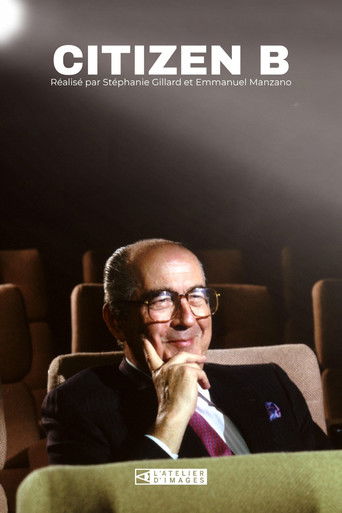
Citizen B
2025 · ★ 6
Documentary on Ciby 2000, the French film production company founded by Francis Bouygues in 1990.
More info →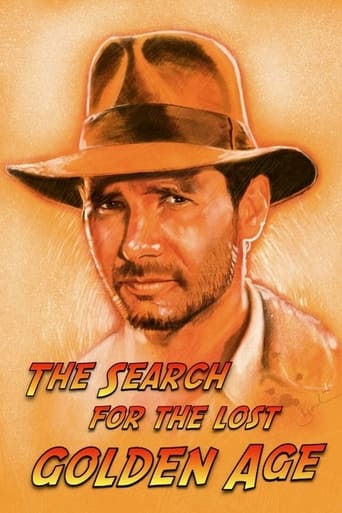
Indiana Jones: The Search for the Lost Golden Age
2021 · ★ 7.8
Hawaii, May 1977. After the success of Star Wars, George Lucas and Steven Spielberg meet to find a new project to work on together, the former as producer, the latter as director. The story of how the charismatic archaeologist Indiana Jones was born and how his first adventure, released in 1981, triumphed at box offices around the world.
More info →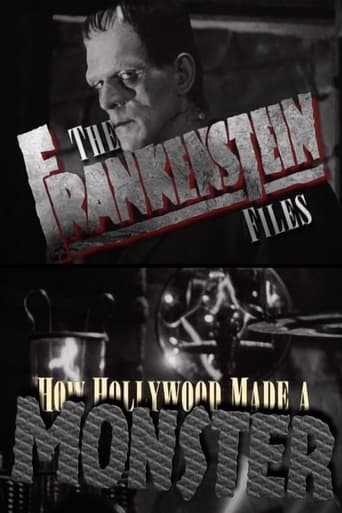
The 'Frankenstein' Files: How Hollywood Made a Monster
1999 · ★ 7.7
The history of Frankenstein's journey from novel to stage to screen to icon.
More info →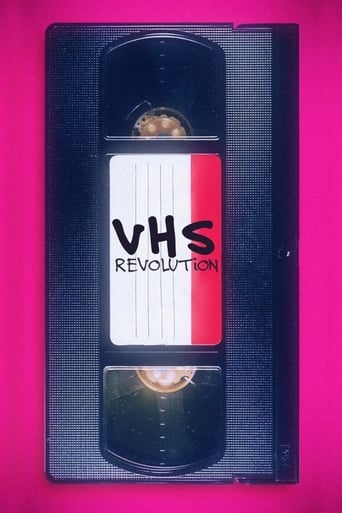
VHS Revolution
2017 · ★ 6.3
Using testimonies by pioneers and witnesses of the times, delve into the feverish visual culture the media generated – with far-fetched examples of canine television games, seduction manuals, aerobics class while holding a baby, among others.
More info →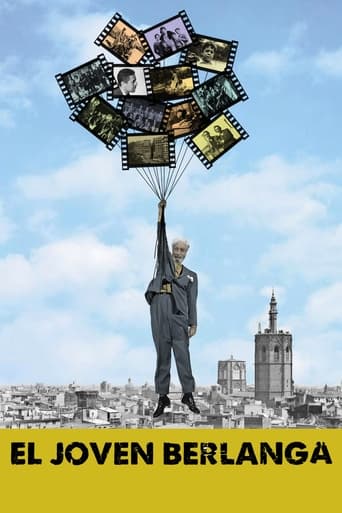
El joven Berlanga
2022 · ★ 6.5
The early days of the future genius of Spanish cinema Luis García Berlanga, from his birth in Valencia in 1921 to his departure to Madrid in 1947 to become a filmmaker.
More info →
Florián Rey: Of Light and Shadow
2022 · ★ 4.7
The life and professional career of the Spanish filmmaker Florián Rey (1894-1962), a brilliant artist who began his career in silent films and had great commercial success during the Second Republic (1931-1936): a journey to the early days of Spanish cinema.
More info →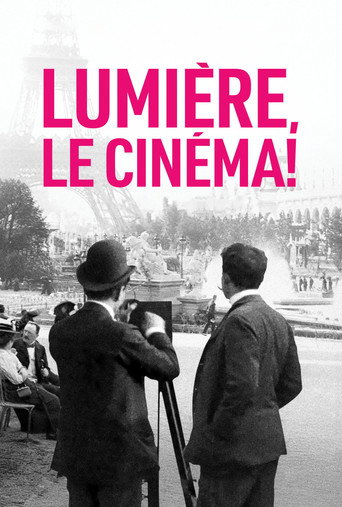
Lumière, Le Cinéma!
2024 · ★ 7.1
In one of those wonderful coincidences of history, lumière, the French word for “light,” was also the last name of brothers Auguste and Louis, whose brilliant invention, the cinematograph, helped to inaugurate the most beloved art form of the last 130 years. Institute Lumière director Thierry Frémaux uses Lumière, Le Cinema! to guide the viewer through over a hundred shorts—some famous, some forgotten, some never before seen—directed by Lumière and company. In the process, Frémaux illuminates how the brothers employed the camera as a creative instrument as they (and their operators) mastered framing, staging, and subject selection for quotidian and exotic microdocumentaries as well as the first ever fictional motion pictures. The result is not only a glorious re(telling) of the genesis of cinema but a profound meditation on the beautiful world captured—and the mysterious world imagined—by the Lumières.
More info →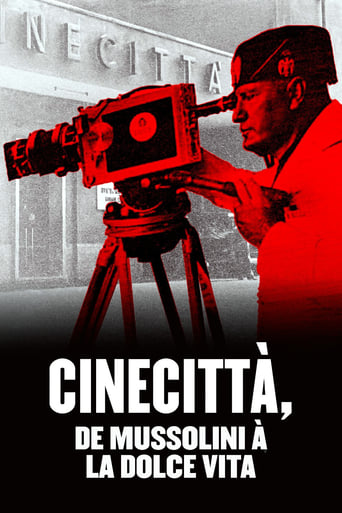
Cinecittà, de Mussolini à la Dolce Vita
2021 · ★ 7.3
Cinecitta is today known as the center of the Italian film industry. But there is a dark past. The film city was solemnly inaugurated in 1937 by Mussolini. Here, propaganda films would be produced to strengthen the dictator's position.
More info →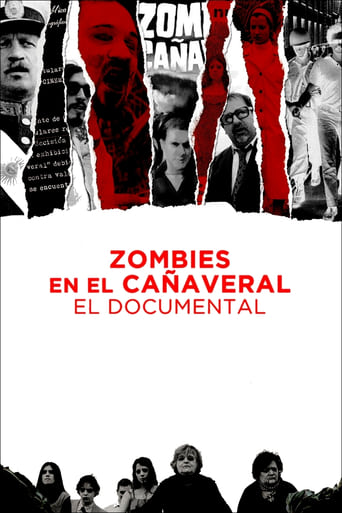
Zombies in the Sugar Cane Field: The Documentary
2019 · ★ 7.8
Tucumán, Argentina, 1965. Three years before George A. Romero's Night of the Living Dead was released, director Ofelio Linares Montt shot Zombies in the Sugar Cane Field, which turned out to be both a horror film and a political statement. It was a success in the US, but could not be shown in Argentina due to Juan Carlos Onganía's dictatorship, and was eventually lost. Writer and researcher Luciano Saracino embarks on the search for the origins of this cursed work.
More info →