
In continuo
★ 6.8 · 1971 · 11m · Documentary
"In continuo" uses slaughterhouse imagery to present the warlike nature of man, first depicting the cleaning and mechanical preparations for the slaughterhouse and then the killing, however, the animal slaughter itself isn’t shown.
More Like This
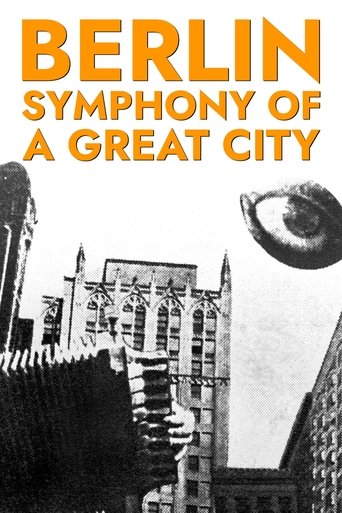
Berlin: Symphony of a Great City
1927 · ★ 7.5
A day in the city of Berlin, which experienced an industrial boom in the 1920s, and still provides an insight into the living and working conditions at that time. Germany had just recovered a little from the worst consequences of the First World War, the great economic crisis was still a few years away and Hitler was not yet an issue at the time.
More info →
Bliss
1967 · ★ 8
The first film made by Markopoulos after moving to Europe, Bliss was shot over the course of two days using only available light to create a lyrical study of the interior of the Church of St. John on the island of Hydra.
More info →
A Night of Soap Water
2021
A watchman at an apartment complex in Assam, India, spends an ordinary evening. A surreal, expressionistic landscape unfolds.
More info →
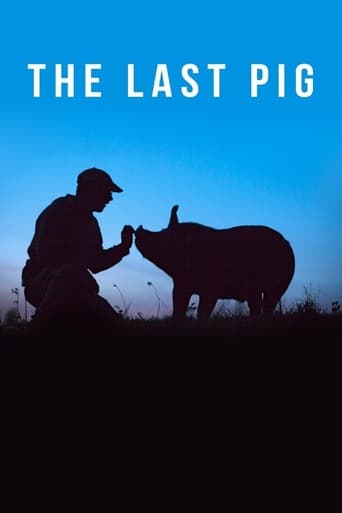
The Last Pig
2017 · ★ 7.2
An intimate reflection on animal treatment, following ethical pig farmer, Bob Comis, as he contemplates his transition out of raising animals for slaughter.
More info →
You Speak of Flins
1969
A group of leftist activists expose the exploitation of immigrant workers by a criminal network with connections to local government officials. The movie was produced by the group SLON (Société pour le Lancement des Oeuvres Nouvelles, also the Russian word for elephant). SLON was a film collective whose objectives were to make films and to encourage industrial workers to create film collectives of their own. Its members included Valerie Mayoux, Jean-Claude Lerner, Alain Adair and John Tooker, and Chris Marker.
More info →
Guadalcanal Requiem
1977 · ★ 7
One of Paik’s most overtly political and poignant statements, Guadalcanal Requiem is a performance/documentary collage that confronts history, time, cultural memory and mythology on the site of one of World War II’s most devastating battles.
More info →
Cinnamon
2006 · ★ 5.8
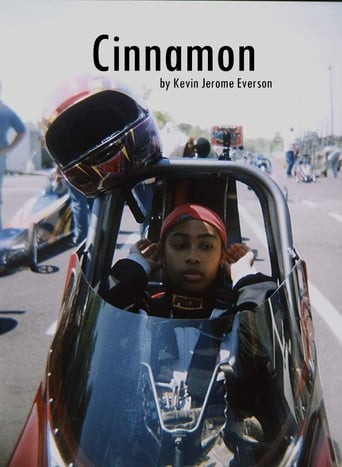
An experimental film that lifts the veil on the world of African American drag racing.
More info →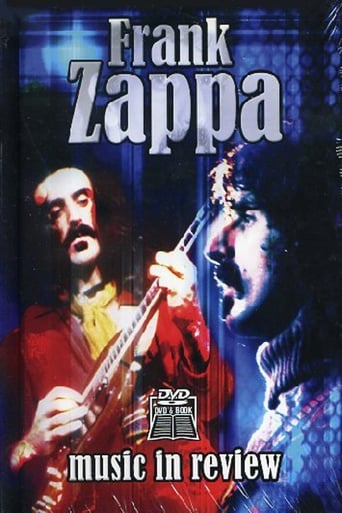
Frank Zappa: Music In Review
2008
Idiosyncratic composer, unique musician and ground-breaking film director ..Frank Zappa packed more into his short lifetime than most men would manage in two. His restless, challenging, creative spirit meant that he never stood still during a career that bought huge critical and commercial success Zappa sold more than 60 million albums both as a solo artist and with the Mothers of Invention. The life and work of Frank Zappa are examined in this superb new critical review, which features new in-depth interviews with industry insiders, rock journalists and respected critics plus highlights from the songs that re-drew the face of rock music.
More info →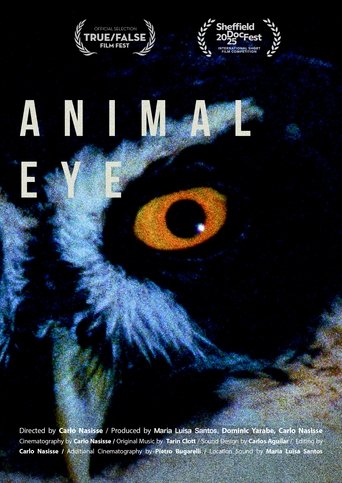
Animal Eye
2025
Scientists and philosophers work to understand animal vision in this multi textured rumination exploring our relationship to the nonhuman world.
More info →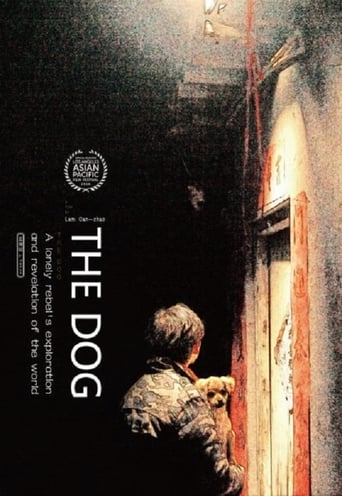
The Dog
2016 · ★ 8
Director Lam Can-Zhao leads a small film crew as they shoot a film about a stray dog in the streets of Guangzhou, leading viewers into an unpredictable, peculiar and incredible journey.
More info →