Tibet Les nourritures spirituelles
2011 · Documentary
More Like This
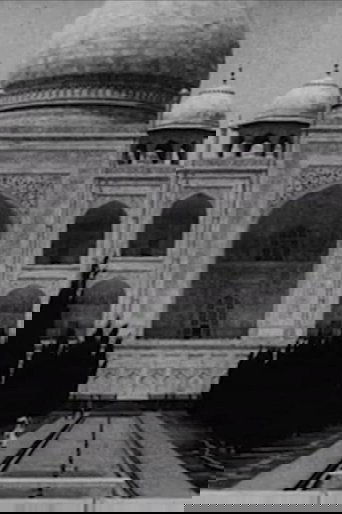
Benares Chungking Ichang
1916
Arresting early film images of both northern India and central and south western China.
More info →
Procession at Gangtok
1940
Traditional games, dancing and music among the people of Sikkim - in vivid colour.
More info →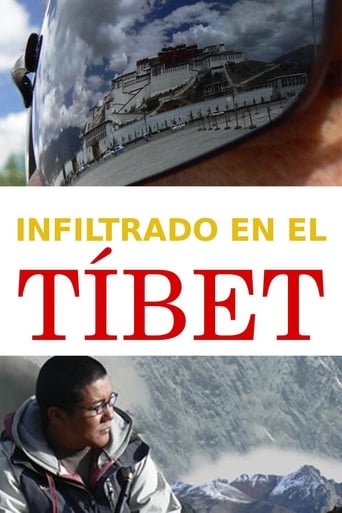
Undercover in Tibet
2008
Undercover in Tibet reveals the regime of terror which dominates daily life and makes freedom of expression an impossibility. Tash meets victims of arbitrary arrests, detention, torture and ‘disappearances’ and uncovers evidence of enforced sterilizations on ethnic Tibetan women. He sees for himself the impact of the enormous military and police presence in the region, the hunger and hardship being endured by many Tibetans and hears warnings of the uprising taking place across the provinces now.
More info →

But Beautiful
2019 · ★ 7.7
In his new film, Erwin Wagenhofer is looking for the good and beautiful in this world.
More info →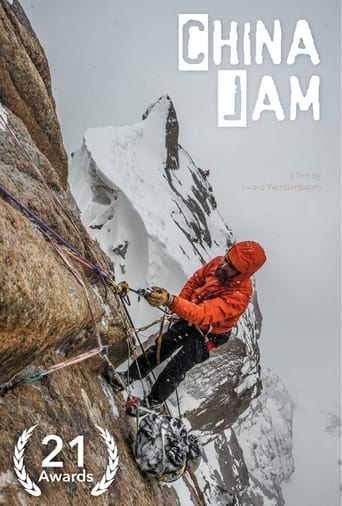
China Jam
2014 · ★ 10
In their infinite quest for virgin big walls, adventurers Sean Villanueva O’Driscoll, Nicolas Favresse, Stephane Hanssens and Evrard Wendenbaum, head in September 2013 to a remote valley in the westernmost region of China. There, they found a fantastic 1200m vertical pillar, culminating at 5842m. They spent 14 days on the wall facing snow storms and harsh conditions to finally achieve this amazing ascent with some frost bites but never forgetting to have a lot of fun and to play unreal musical sessions.
More info →
By the River
2021
Varanasi is the Indian city where Hindus go to die. Stretching along the Ganges, Varanasi holds great spiritual significance because Hindu scriptutres say that anyone who dies there will attain moksha—liberation from the cycle of rebirth. Berlin-based director Dan Braga Ulvestad captures life and death in India’s heartland in this moving documentary filled with exquisite cinematic moments. By the River starts its narrative journey with the city’s “death hotels,” dedicated apartments where people wait to die, sometimes for decades, so they can be cremated on the banks of the Ganges.
More info →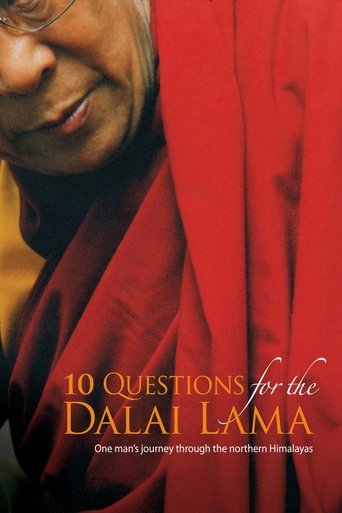
10 Questions for the Dalai Lama
2006 · ★ 7.2
How do you reconcile a commitment to non-violence when faced with violence? Why do the poor often seem happier than the rich? Must a society lose its traditions in order to move into the future? These are some of the questions posed to His Holiness the Dalai Lama by filmmaker and explorer Rick Ray. Ray examines some of the fundamental questions of our time by weaving together observations from his own journeys throughout India and the Middle East, and the wisdom of an extraordinary spiritual leader. This is his story, as told and filmed by Rick Ray during a private visit to his monastery in Dharamsala, India over the course of several months. Also included is rare historical footage as well as footage supplied by individuals who at great personal risk, filmed with hidden cameras within Tibet.
More info →
Aside From That
★ 8
How do we live, knowing we are going to die? In search of answers, we probed the minds of atheists, Buddhists, Jews, Christians, physicians, philosophers, authors, academics, a legendary stand-up comic, and scores of random pedestrians.
More info →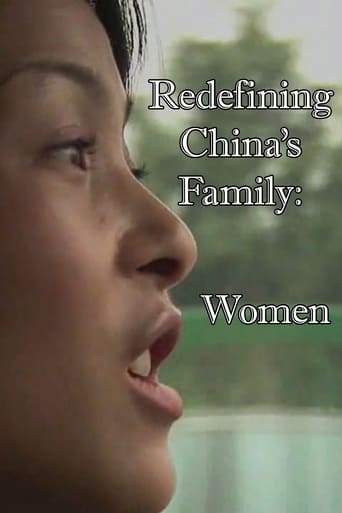
Redefining China's Family: Women
2008
10 May 2007 - China's staggering economic growth has overshadowed a more subtle shift in Chinese society. In domestic life, many women are now ignore the advice of their mothers and grandmothers, turning instead to counselling hotlines and, increasingly, divorce.
More info →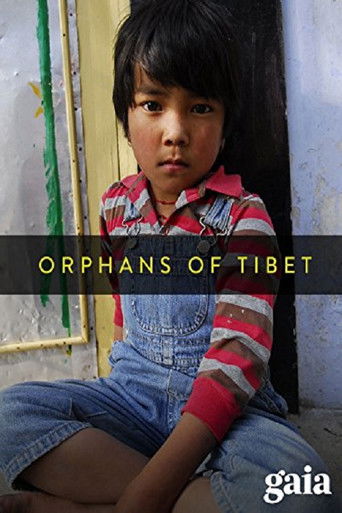
Orphans of Tibet
2010
Each year, groups of Tibetan children secretly flee their homeland over the Himalayas to reach schools in India founded by the government in exile. Entrusted to smugglers, they are risking their lives by illegally crossing the great Himalayan range, a towering rampart between Tibet and India. The director will take us in the Mussorie school, in North India, where two thousand four hundred children have been rescued. They have left behind their family childhood and are now considered as orphans. We will discover the itineraries of Sonam, aged nine, and Dholma, the little new girl of the school. Here in India, they are taught about Tibetan culture and will find out about the history of their country and their ancestors. Sonam and Dholma's story is that of thousands of Tibetan children. Are they orphans of a lost country or bearers of hope who will save an endangered culture?
More info →