Just Watch Me: Trudeau and the 70's Generation
★ 7 · 1999 · 76m · Documentary
Canadian director Catherine Annau's debut work is a documentary about the legacy of Pierre Trudeau, the long-running Prime Minister of Canada, who governed during the 1970s. The film focuses particularly on Trudeau's goal of creating a thoroughly bilingual nation. Annau interviews eight people in their mid-30s on both sides of the linguistic divide. One tells of her life growing up in a community of hard-core Quebec separatists, while another, a yuppie from Toronto, recalls believing as a child that people in Montreal got drunk and had sex all day long. Annau has all of the interviewees discuss how Trudeau's policies affected their lives and their perceptions of the other side, in this issue that strikes to the heart of Canada's national identity.
More Like This
Motherland
2009
Six American mothers, each grieving the death of a child, journey to South Africa to volunteer with impoverished children. The strength of the people they meet and the reality of the poverty they witness deeply affects them. They ultimately discover hope and healing as a result of serving others, and through the unexpected friendships they form with each other.
More info →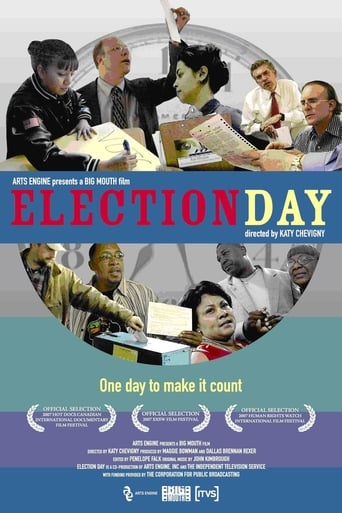
Election Day
2007
Forget the pie charts, color-coded maps and hyperventilating pundits. What's the street-level experience of voters in today's America? In a triumph of documentary storytelling, ELECTION DAY combines eleven stories--all shot simultaneously on November 2, 2004, from dawn until long past midnight--into one. Factory workers, ex-felons, harried moms, Native American activists and diligent poll watchers, from South Dakota to Florida, take the process of democracy into their own hands. The result: an entertaining, inspiring and sometimes unsettling tapestry of citizens determined on one fateful day to make their votes count.
More info →My Neighbor, My Killer
2009 · ★ 6.5
The people of Rwanda attempt to reconcile after the genocide through an open process of admission and forgiveness.
More info →
We The North: From Prehistoric to Historic
2025
A basketball team born out of an egg, in a hockey-crazed city, playing in a baseball stadium, fights for survival and ultimately conquers a nation and the league. This documentary offers an in-depth look at how a fledgling franchise transformed into a cultural phenomenon, uniting communities and reshaping Canada's identity.
More info →
Inbound
2025 · ★ 6
Documenting the shared trajectory between Canada’s rise as a global basketball powerhouse and the circumstances that helped shape the country’s multicultural identity.
More info →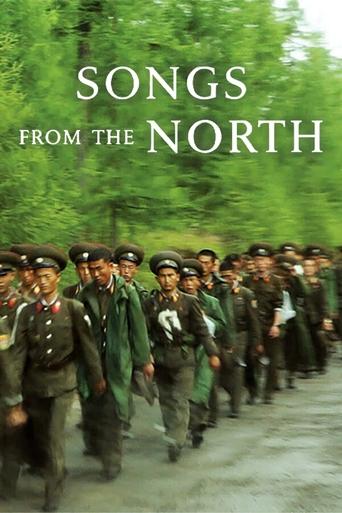
Songs From the North
2015 · ★ 7
Interweaving footage from the director’s three visits to North Korea with songs, spectacle, popular cinema and archival footage, Songs from the North takes a different look at this enigmatic country typically seen through the distorted lens of jingoistic propaganda and derisive satire. Challenging the meaning of freedom, love, patriotism and ultimately the human condition, it tries to understand, on their own terms, the psychology and popular imaginary of the North Korean people and the political ideology of absolute love which continues to drive the nation towards its uncertain future.
More info →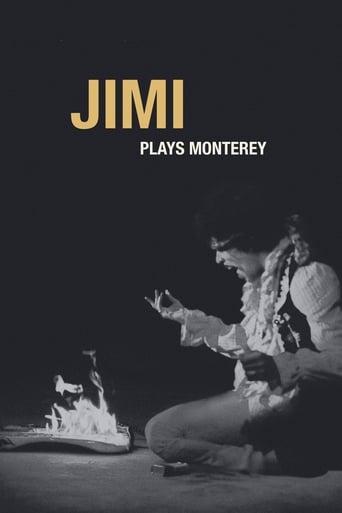
Jimi Plays Monterey
1987 · ★ 7.5
Jimi Hendrix's debut American set at 1967's Monterey Pop Festival is generally considered one of the most radical and legendary live shows ever. Virtually unknown to American audiences at the time, even though he was already an established entity in the UK, Hendrix and his two-piece Experience explode on stage, ripping through blues classics "Rock Me Baby" and Howlin' Wolf's "Killing Floor," interpreting and electrifying Bob Dylan's "Like a Rolling Stone," debuting songs from his yet-to-be-released first album and closing with the now historic sacrificing/burning of his guitar during an unhinged version of "Wild Thing" that even its writer Chip Taylor would never have imagined. Hendrix uses feedback and distortion to enhance the songs in whisper-to-scream intensity, blazing territory that had not been previously explored with as much soul-frazzled power.
More info →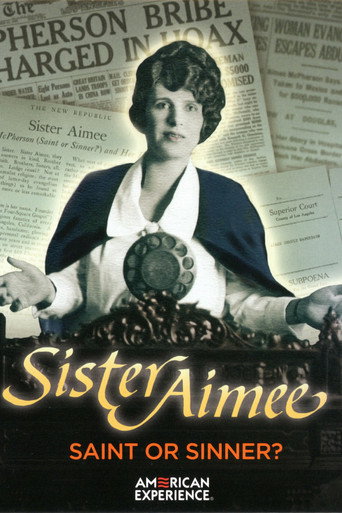
Sister Aimee
2007 · ★ 10
At the peak of her immense popularity in the 1920s, evangelist Aimee Semple McPherson was drawing larger crowds to her revivals than those of P.T. Barnum or Harry Houdini. This chapter of "American Experience" paints a vivid portrait of the controversial and charismatic religious figure. Credited with mainstreaming religion in American culture, Sister Aimee created one of the country's first Christian radio stations, among other accomplishments.
More info →
Contrary Warriors: A Film of the Crow Tribe
1985 · ★ 7
Examines the impact a century of struggling for survival has on a native people. It weaves the Crow tribe's turbulent past with modern-day accounts from Robert Yellow-tail, a 97-year-old Crow leader and a major reason for the tribe's survival. Poverty and isolation combine with outside pressures to undermine the tribe, but they resist defeat as "Contrary Warriors," defying the odds.
More info →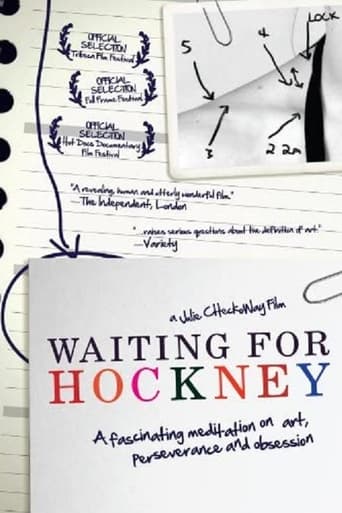
Waiting for Hockney
2008 · ★ 5
A young working class Baltimore man spends 10 years on a single portrait, believing it is his means to fame and fortune. But he also believes that only one man can lead him there---the famous artist David Hockney. What happens when you finally meet the god of your own making?
More info →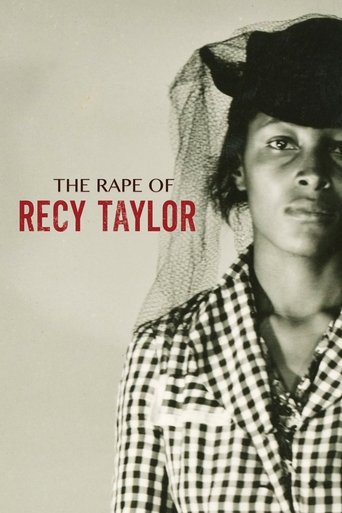
The Rape of Recy Taylor
2019 · ★ 7.7
Recy Taylor, a 24-year-old black mother and sharecropper, was gang raped by six white boys in 1944 Alabama. Common in Jim Crow South, few women spoke up in fear for their lives. Not Recy Taylor, who bravely identified her rapists. The NAACP sent its chief rape investigator Rosa Parks, who rallied support and triggered an unprecedented outcry for justice. The film exposes a legacy of physical abuse of black women and reveals Rosa Parks’ intimate role in Recy Taylor’s story.
More info →Unnamed Film
2008 · ★ 5.5
Another kind of utopia is presented in the films of Naomi Uman, whose search for her family roots in the Ukraine led her to move to the small village of Legedzine. In "Unnamed Film", she shoots the old bubushka ladies as they expertly prepare pickles, pick vegetables, and sing odes to vodka. Shot on 16mm with non-sync sound, it has an intimate, handmade quality, only heightened by the use of explanatory inter-titles in place of subtitles. Uman’s Ukrainain was weak, so she wanted the viewer to have the same experience as she did, just getting the gist of things. As with Uruphong’s work, there is a nostalgia for the old ways, which were self-sufficient but took an incredible toll on the body. The bubushkas complain about their aching backs and the never-ending poverty, spiking any drift towards romanticization.
More info →