
Nothing to Hide
★ 6.8 · 2017 · 86m · Documentary
NOTHING TO HIDE is an independent documentary dealing with surveillance and its acceptance by the general public through the "I have nothing to hide" argument. The documentary was produced and directed by a pair of Berlin-based journalists, Mihaela Gladovic and Marc Meillassoux. It was crowdfunded by over 400 backers. NOTHING TO HIDE questions the growing, puzzling and passive public acceptance of massive corporate and governmental incursions into individual and group privacy and rights. After the emotion initially triggered by the Snowden revelations, it seems that the general public has finally accepted to live in a monitored digital world.
More Like This

You are Not a Soldier
2021 · ★ 8
As filmmaker Maria Carolina Telles comes to terms with the death of her father, a man who regretted never making it to the frontlines of World War II, she focuses her lens on the life of another man who had his own unique experience as a civilian in the midst of combat: award-winning war photographer André Liohn.
More info →
Bombshell: The Hedy Lamarr Story
2018 · ★ 6.9
The life and career of the hailed Hollywood movie star and underappreciated genius inventor, Hedy Lamarr.
More info →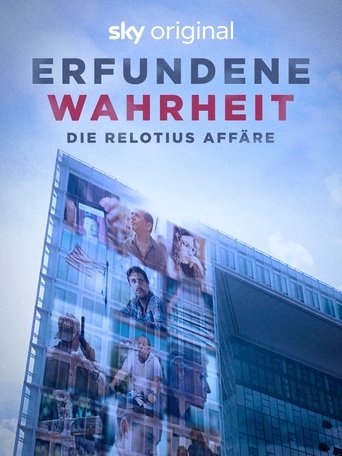
Inventing Truth - The Relotius Affair
2023 · ★ 7
The story of one of the biggest media scandals of our time is an epic thriller about deception and psychological manipulation in a world where integrity and credibility are everything – but where the art of telling a good story sometimes weighs heaviest.
More info →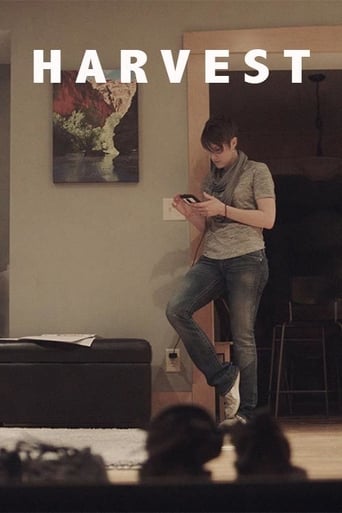
Harvest
2017
Jenni has an ordinary life of simple patterns revolving around family and work. Her daily routine is seemingly unremarkable yet is of great interest to someone she doesn’t know—but who knows everything about her. Harvest is a thrilling and inventive depiction of the hidden value in mundane routines.
More info →
I Want to Be an Engineer
1983 · ★ 7
This film provides a lively introduction to the professional and personal lives of three female engineers-just a few of the growing number of women who were opting for "non-traditional" jobs in1983.
More info →
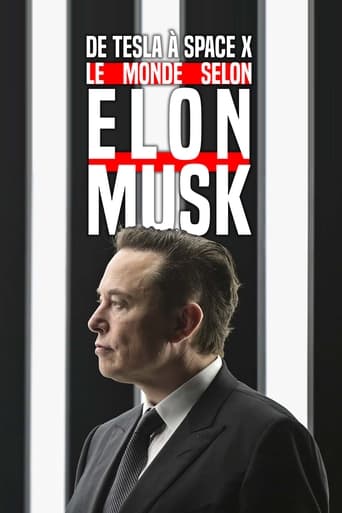
From Tesla to SpaceX, the World According to Elon Musk
2022 · ★ 8
In just a few years, Elon Musk has become one of the most influential and wealthy men on the planet. Although the Tesla brand has revolutionized the image of the electric car, Elon Musk remains a great innovator in the business world. For him, there are no limits: satellites, houses, urban tunnels... But what attracts Elon Musk the most is space, which remains his favorite playground. Recently, he developed reusable rockets that have transformed space travel.
More info →
2040: Possibilities by Edward de Bono
1995 · ★ 6.5
Edward de Bono literally sketches out the future in a 90 minute lecture filmed in Copenhagen. He explains 2040 as seen by someone frozen cryogenically in 1997.
More info →
The Eternal Memory
2023 · ★ 8
Augusto and Paulina have been together for 25 years. Eight years ago, he was diagnosed with Alzheimer's disease. Both fear the day he no longer recognizes her.
More info →
Journalistes, témoins interdits du régime Assad
2025
Bashar al-Assad's regime fell on december 8, 2024. Reporters Without Borders (RSF) reveals the mistreatment endured by journalists under his bloodthirsty regime. According to the NGO, 181 journalists were killed under his rule.
More info →
Fa.mí.li.a
2025
Four families recount how they met and formed their families at a time when marriage and civil unions were denied to LGBT+ people. The film demonstrates what homophobia seeks to attack: love and family.
More info →