Muhamed
★ 7 · 2017 · 10m · Documentary
A young boy plays an accordion in a shopping mall. Béla Tarr picks up the camera one more time to shoot his very last scene. It is his anger about how refugees are treated in Europe, and especially in Hungary, that drove him to make a statement.
More Like This
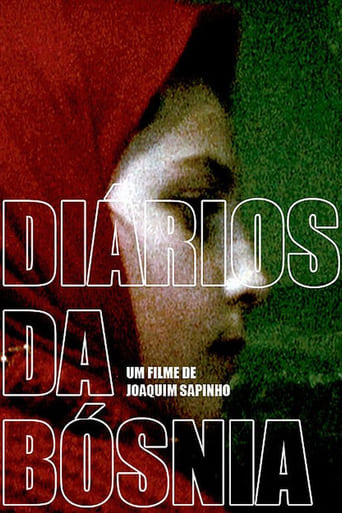
Bosnia Diaries
2006 · ★ 8.2
I went to Bosnia after war ended, in 1996, when the Danton Peace Accord was being implemented. Bosnia had been divided in two entities, which separated the two main opposing forces of the conflict; the Serb Bosnians and the Muslim Bosnians. Two years later, in 1998, I returned to Bosnia... This movie is a diary of the two voyages, in which I deal with the memories of the war, the death and destruction and with the victim’s struggle who don’t know how to return home.
More info →
Bosnia That Vanished
1944
A collection of material shot before and during WW2 in the director’s hometown of Banja Luka, where its quiet life was disrupted by the enemy.
More info →
The Tunnel of the Bellows
2025
A documentary film about the origins of the Basque trikitixa. It reflects how the small accordion brought by one of the Italian workers who came to build the Madrid-Paris railway tunnels in 1859, starting from Zumarraga, has become a symbol of contemporary Basque music.
More info →Bosnia!
1994 · ★ 4.3
The carnage in Sarajevo provides the focus of this French documentary which seeks to call attention to the terrible conflict in the hopes of finally ending it. The film is divided into five parts. Each part covers a time frame ranging from April 4, 1992, the beginning of the war, to the present. The major issues that occur are three-fold. It depicts the systematic genocide of Bosnians, the silence of Western countries, and the determination of the Bosnians to resist. They refuse to be seen as victims, even though the filmmakers portray them so. Also included are the origins and political aspects of the war. It offers interviews with participants. It also reveals how the U.S. State Department censored reports about Serbian death camps.
More info →What Would Jesus Buy?
2007 · ★ 5.9
A serious docu-comedy about the commercialization of Christmas. What Would Jesus Buy? follows Reverend Billy and the Church of Stop Shopping Gospel Choir as they go on a cross-country mission to save Christmas from the Shopocalypse: the end of mankind from consumerism, over-consumption and the fires of eternal debt!
More info →

Angels in Sarajevo
1993
Between 1993 and 1995, artist and photographer Louis Jammes took pictures of people on the streets of Sarajevo under siege and gave them angelic face and wings. Then he put his huge portraits on destroyed city walls. Suddenly, it seems as life is getting back with their arrival, because they brought a sense of peace, beauty, nostalgia...
More info →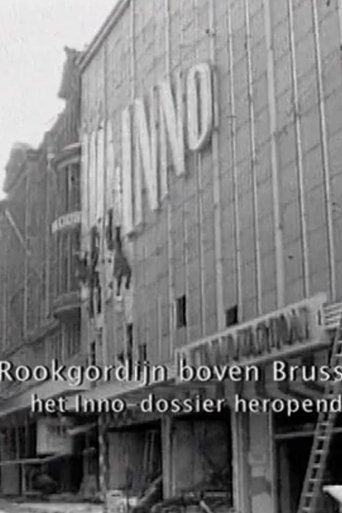
Smokescreen over Brussels
2002
Was the Brussels Innovation fire (1967) just a dramatic accident or was there more going on? Through exclusive interviews and edited archival material, a conspiracy theory is constructed in which the CIA and some property developers are assigned important roles. Despite the frivolous mysticism, there are many truths in this mockumentary!
More info →On sourira de nous
2022
Four friends tired of protests are thinking about another way to shake up capitalist society. Driven by fiction, they decide to blow up a Brussels shopping center. How to think the attack? What roles do they need to play in order to imagine taking action? Is their friendship reconcilable with such a radical act?
More info →
Toward a Common Tenderness
2017 · ★ 6
Moments in the life of a young Japanese filmmaker in Bosnia, charged with acoustic and visual poetry. Buoyant and essayistic entries in a process of self- and world-reassurance.
More info →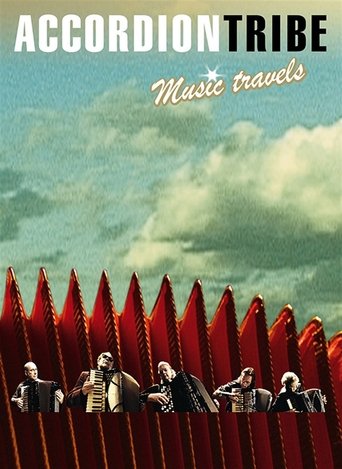
Accordion Tribe: Music Travels
2004 · ★ 9
Five highly original musicians from different countries form the Accordion Tribe. Together they aim to reinforce the original power of the long disdained instrument. The film follows the energetic soundscapes and their performers on a journey through Europe. An extraordinarily intensive documentary on the communicative, connecting power of music.
More info →