Saramago: Documentos
1996 · 54m · Documentary
About the Portuguese author José Saramago, based on a long interview with the writer at his home on the island of Lanzarote, in which he analyzes his work and shares his reflection on some aspects of his personal life.
More Like This
BULIR
2024
All the stories told, all the memories, dreams and lost moments were left in a tank from other generations.
More info →
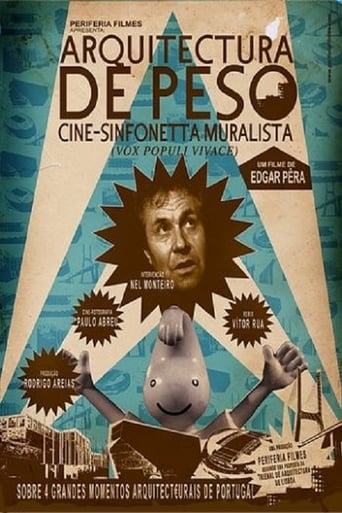
Heavy Architecture
2007
Documentary about 4 large architectural landmarks that projected Portugal abroad.
More info →
Retirement Home
2017 · ★ 10
A group of elders spends their weekdays in a retirement home in Sandim, in the north of Portugal, where they talk, do arts and crafts, practice yoga and pray. We follow them between October 2012 and March 2013, when an economic crisis overshadowed Portuguese society and unemployment rates reached record levels. Meanwhile, arrangements are made for the Carnival ball. Will they bring the first place home this time?
More info →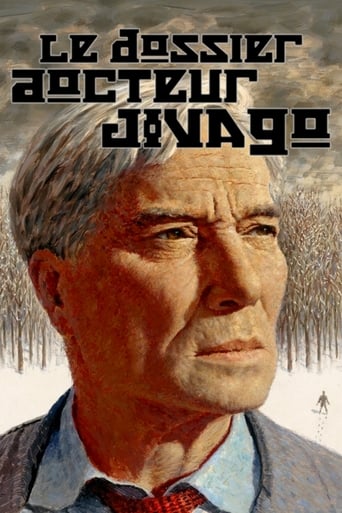
I Invite You to My Execution
2019 · ★ 7
As Russian writer Boris Pasternak (1890-1960) thinks it is impossible that his novel Doctor Zhivago is published in the Soviet Union, because it supposedly shows a critical view of the October Revolution, he decides to smuggle several copies of the manuscript out of the country. It is first published in 1957 in Italia and the author receives the Nobel Prize in Literature in 1958, which has consequences.
More info →
July 10
2017 · ★ 10
A date that will remain in Portuguese football history forever – July 10, 2016, the day Portugal became European champions.
More info →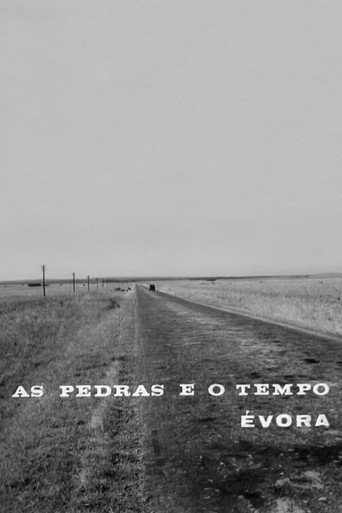
As Pedras e o Tempo
1961 · ★ 8
Documentary short film on the city of Évora, Portugal. Usually regarded as the first film of the Portuguese New Wave.
More info →
Viagens - 20 Years
2014
A behind-the-scenes look at "Viagens", one of the greatest portuguese records of the 1990s, in the year of its 20th anniversary.
More info →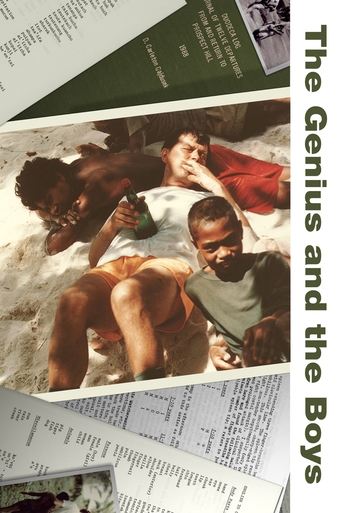
The Genius and the Boys
2009 · ★ 6
D Carleton Gajdusek won the Nobel Prize for the discovery of Prions - the particles that would emerge as the cause of Mad Cow disease - while working with a cannibal tribe on New Guinea. He was a star of the scientific world. Over his years working amongst the tribes of the South Seas, he adopted 57 kids, bringing them to a new life in Washington DC. His adoptions were hailed as wonderful fatherly beneficence. But, at the height of his career, rumours began to spread he was a paedophile. Gajdusek would argue that if sex with children was okay in their own cultures, he wasn't wrong to join in. How could a great mind like Gajdusek's lose insight so totally, and why would the scientific community to which he was a hero be so quick to leap to his defence and dismiss the allegations? (Storyville)
More info →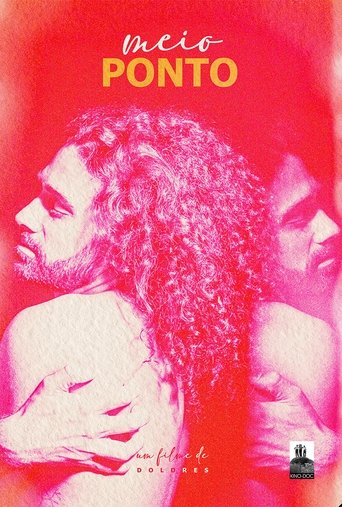
Meio Ponto
2025
The young Portuguese artist Rafa. is facing a turning point in his career, composing, recording and balancing roots and ambitions as he prepares to leave for Leeds and finalize his first EP.
More info →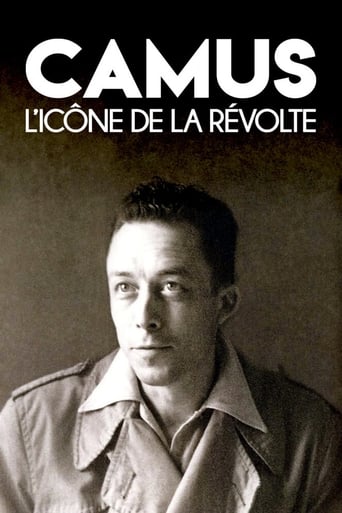
Camus: An Icon Of Revolt
2020 · ★ 6.8
Albert Camus, who died 60 years ago, continues to inspire defenders of freedom and human rights activists around the world today. The Nobel Prize winner for literature is one of the most widely read French-language writers in the world. He continues to embody the rebellious man who opposes all forms of oppression and tyranny while refusing to compromise his human values.
More info →Pretty song
2015
Fragments from a portrait of Jean-Louis Costes - sincere artist, versatile designer, poet of excess -, a man forever atoning his anguish through singing, performance, drawing and writing...
More info →