8th October 2016
2016 · 2m · Animation · Documentary
The title of the film is the date on which the editorial staff of Hungary’s largest opposition newspaper, Népszabadság, was fired. The filmmaker tore up copies of that day’s issue, layered them, and then turned them into an urgent collage expressing his yearning for the free expression of opposition viewpoints. The visible edges of the film emphasize the impossibility of presenting information in a complete context.
More Like This
The Sacred Art of Tibet
1972
An accurate depiction of the basic tenets of northern Mahayana Buddhism, cast into living or "experiential" form, consistent with powerful mantras heard on the soundtrack of the film. Tarthang Tulku, a Tibetan Lama, was the advisor.
More info →
Bad Connection
2014
Did we get disconnected? Bad Connection is a constructed dreamscape where pay phones exist in the desert, and an anonymous woman tries to reach another. Searching manifests in the ringing of the telephone that is left unanswered.
More info →
The Term. Beginning of a Big Story
2014 · ★ 4.2
The documentary project The Term was conceived in May 2012. When the directing trio commenced mapping the Russian sociopolitical landscape, Vladimir Putin had just settled into the Kremlin for his third term. The original experimental format of “documentary bulletins,” which were published daily online, allowed for wide-ranging content; in the feature film version, however, the filmmakers focused solely on the members of various opposition groups. Nevertheless, the work’s neutral position remains and viewers have to interpret the objectively presented situations for themselves. The main characteristics of this strongly authentic movie include close contact with the protagonists, precise editing, and an effectively controlled release of information.
More info →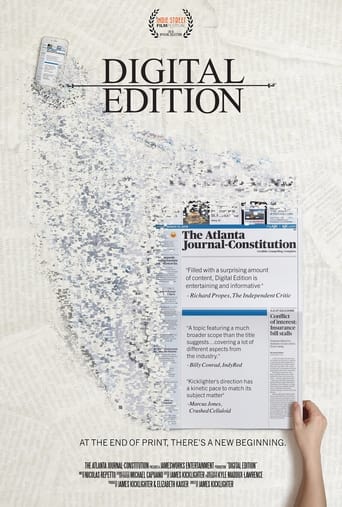
Digital Edition
2016 · ★ 9
In the midst of a publishing revolution, The Atlanta Journal-Constitution, one of America's most storied institutions of journalism, is experimenting with new tools to tell stories in preparation for the end of print in the digital era.
More info →
The Fallen
1985 · ★ 6.4
The documentary was shot in the prison for juvenile delinquents in Hungary. It does not aim at judging whether the perpetrators were convicted rightly or not but, given the burden they carry, how they can reintegrate into society after they are released.
More info →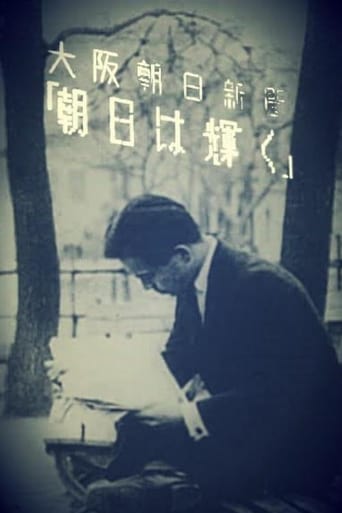
The Morning Sun Shines
1929 · ★ 5.8
The Morning Sun Shines is a fiction-documentary film by Kenji Mizoguchi and Seiichi Ina. The film is a combination of a drama about a reporter, and documentary footage about newspaper production. Only 25 minutes of footage has survived.
More info →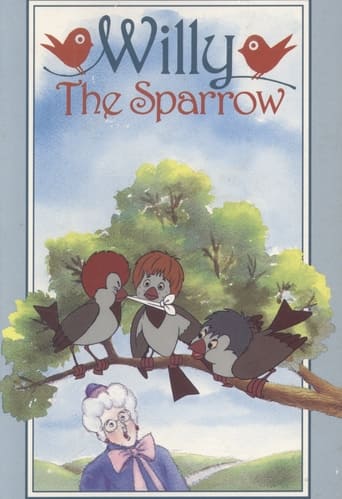
Willy the Sparrow
1989 · ★ 6.6
Vili fakes illness so he doesn't have to take a math test. Instead, he starts shooting at sparrows from the window with an air rifle. The kindly old lady who feeds the birds turns out to be a real-life fairy who tries to turn Vili into a good boy.
More info →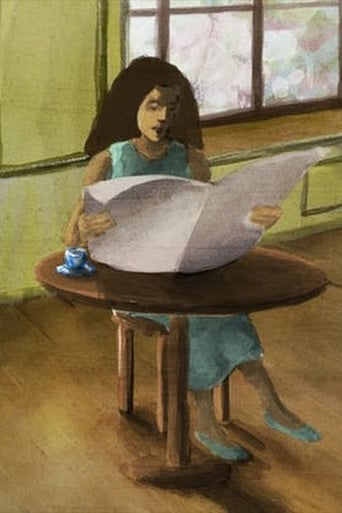
Newspaper News
2019
A woman reads the newspaper with such intensity that she gets literally devoured by it. Painted on its pages she witnesses some of the tragic events of our times, drowns in ocean trash and is threatened by the elements unleashed by climate change. Yet in her despair she transforms this darkness into movement and art, so she plants the seeds of hope.
More info →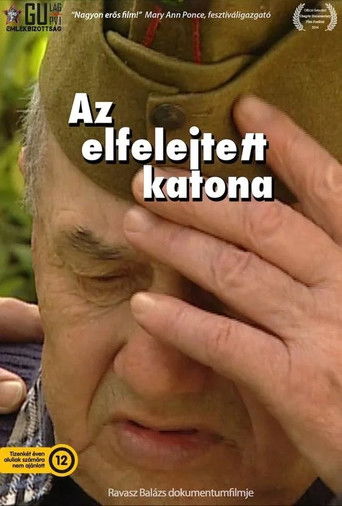
The Forgotten Soldier
2010 · ★ 10
Captured by the Red Army during World War II, Hungarian soldier András Toma was admitted to a Soviet psychiatric hospital. After disappearing from prisoner-of-war records, he was presumed dead in Hungary. Because his name was incorrectly recorded in medical documents and he spoke only Hungarian—mistaken by staff for incoherent speech—Toma spent decades misunderstood and isolated in the institution. Fifty-three years later, a visiting Slovak doctor recognised his language, triggering an investigation by Hungarian authorities. Toma was repatriated in 2000, believed to be the last prisoner of war from World War II to return home.
More info →