The Seventh Cronicle
★ 10 · 1996 · 97m · Drama · Thriller
In the mid-1950s, an unnamed convict succsesfully manages to escape from the Goli Otok prison island, seeking shelter in a monastery on the nearby island of Rab and striking a kinship with one of the nuns in it. A few days later, an agent of the Yugoslav State Security Service arrives on the island, desperate to find the man's whereabouts. The nuns and the monks face a decision of their lifetime. Are they going to turn the wounded man they know nothing about to the authorities, or will they continue concealing him and risk their lives in the process?
More Like This
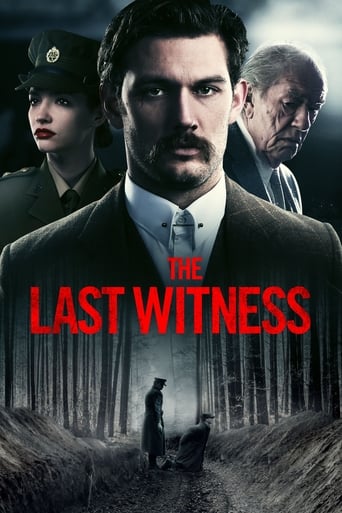
The Last Witness
2018 · ★ 5.8
An ambitious young journalist uncovers the horrific slaughter of 22,000 Polish officers during World War II, a secret kept hidden for far too many years.
More info →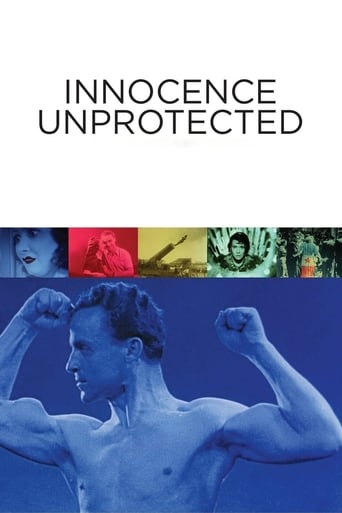
Innocence Unprotected
1968 · ★ 6.7
A documentary about the famous athlete and movie enthusiast who made Serbia's first sound film, Innocence Unprotected. The Nazi occupation of Belgrade prevented the film from gaining wider acclaim. Director Makavejev intersperses clips of the original film with interviews of surviving cast and crew members, as well as newsreel and archival footage.
More info →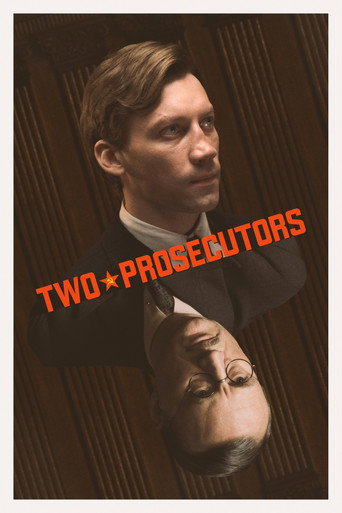
Two Prosecutors
2025 · ★ 6.8
In 1937, amidst Stalin's Great Terror, a newly appointed prosecutor for the USSR is made aware of alleged corruption in the Secret Police, and takes it upon himself to investigate.
More info →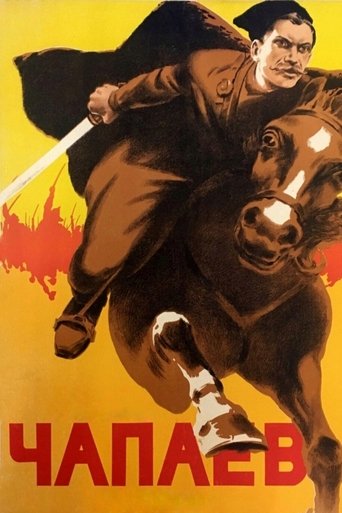
Chapayev
1934 · ★ 6
An account of the peasant turned mythical military hero Vasily Chapayev, charting his campaign in the Red Army during the Russian Civil War.
More info →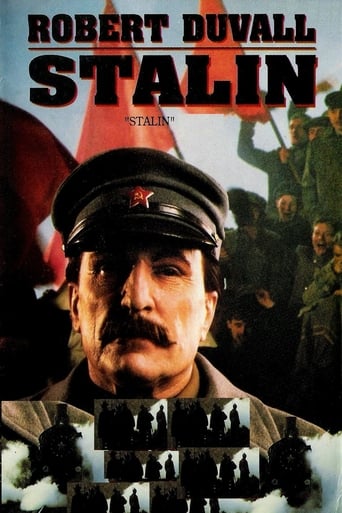
Stalin
1992 · ★ 5.3
The life and career of the brutal Soviet dictator, Josef Stalin. Through the eyes and memories of Anna Aliluyeva, Stalin’s granddaughter, the film traces the rise of the Bolshevik tyrant from Lenin’s return from exile to his brutal struggle with Trotsky, the creation of his feared secret police and the merciless inner workings of his regime. As Anna recounts her grandfather’s life, viewers gain an intimate, personal perspective on the paranoia and purges that left even his closest circles living in constant fear.
More info →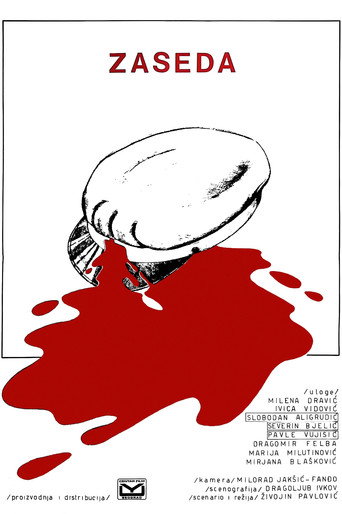
The Ambush
1969 · ★ 6
Idealistic young man supports the party and the new Yugoslavia's communist regime, but soon gets involved in various political and criminal machinations becoming more and more confused about what's right and what's wrong.
More info →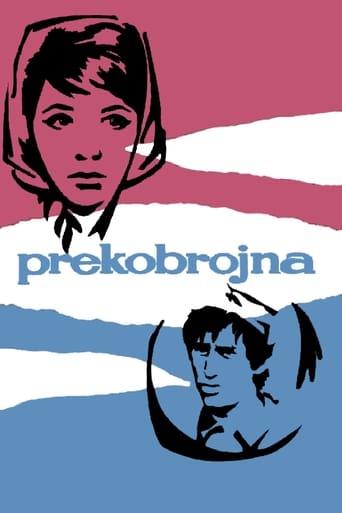
Superfluous
1962 · ★ 6.2
Young farmer Mikajlo while on youth labour action falls in love with a student Nada and infatuated with her, he leaves the peasant brigade and Malena, a girl who as if she were overabundant, followed him to work the labour action. Mikajlo's courtship of Nada provokes laughter and ridicule, so ambitious 'Don Juan' returns to his brigade and the girl.
More info →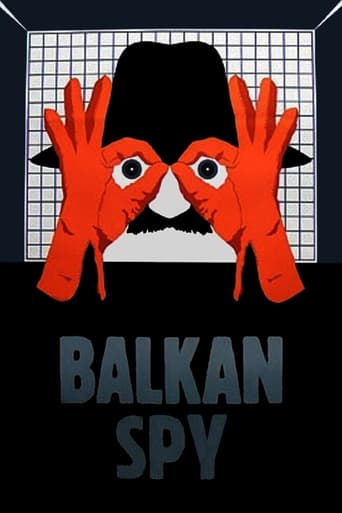
Balkan Spy
1984 · ★ 7.6
Convinced that his subtenant is a spy and an enemy of the state, Ilija Čvorović falls into deep paranoia which leads to an absurd and destructive chain of events.
More info →
The Plot to Kill Stalin
1958
In late 1952, an aging and increasingly paranoid Stalin puts in motion a purge against his doctors, with antisemitic overtones. His lackeys, including Khrushchev, Molotov and Beria, fear it will spread to the Politburo, and plan to strike first.
More info →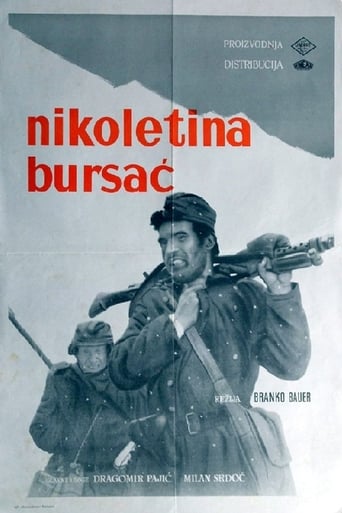
Nikoletina Bursac
1964 · ★ 6.7
The mother of a national hero Nikoletina Bursac leads an imaginary conversation with the statue of her deceased son. We follow events from Nikoletina's life and war: his joining of the partisans together with his neighbor Jovica Jez, meeting with the small Jewish girl Erna who survived the slaughter of her village, constant quarrels and friendship with commander Pirgo and commissar Zlatko, meeting with Curetak and their unsuccessful love relationship.
More info →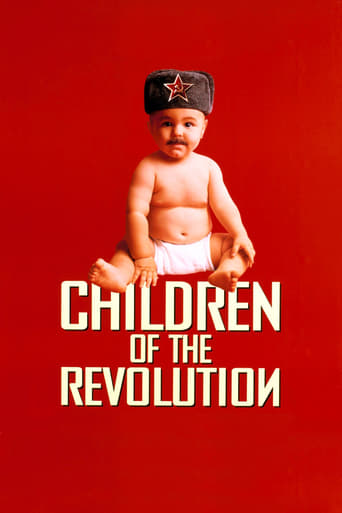
Children of the Revolution
1996 · ★ 5.6
A man (Richard Roxburgh) the Australian government blames for 1990s political woes blames his mother (Judy Davis), a communist Stalin seduced in 1951.
More info →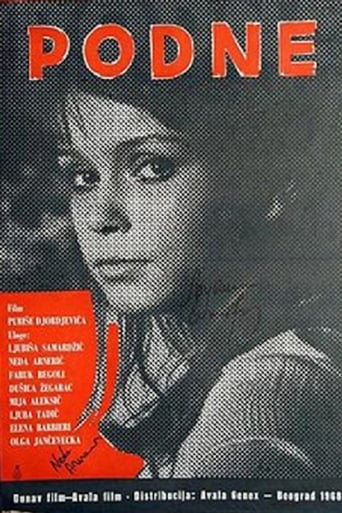
Noon
1968 · ★ 6.2
The lives of many people in one Serbian town are changed after Tito's breakup with Stalin.
More info →