Reagan
★ 7.7 · 1998 · 221m · Documentary
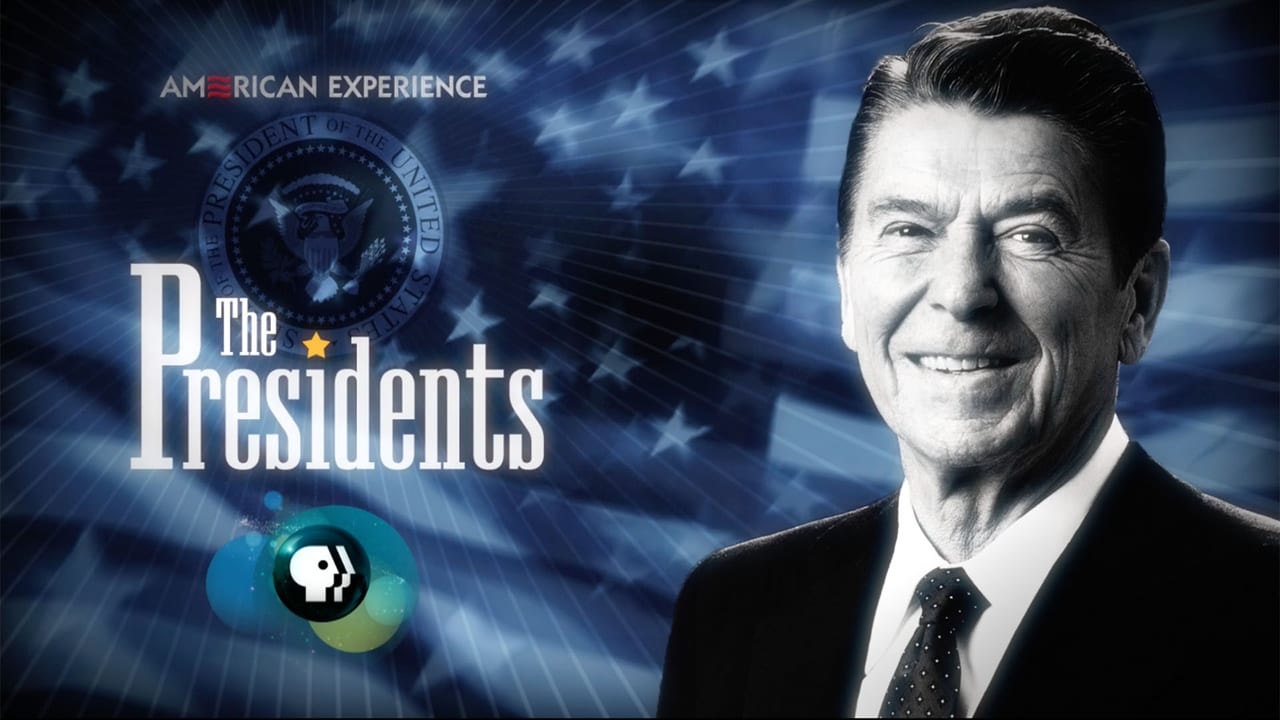
In 1988, after two terms in office, Ronald Reagan left the White House one of the most popular presidents of the twentieth century -- and one of the most controversial. A failed actor, Reagan became a passionate ideologue who preached a simple gospel of lower taxes, less government, and anti-communism.
More Like This
The Reagan Show
2017 · ★ 6.5
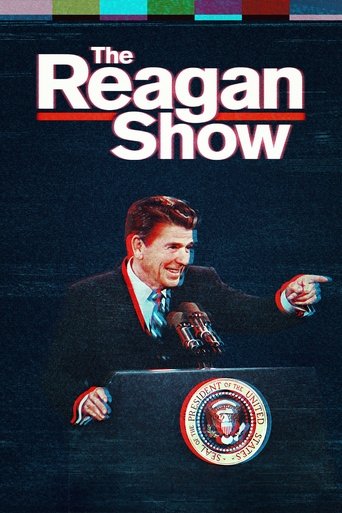
Comprised entirely of archival footage taken during those pre-reality-television years, The Reagan Show looks at how Ronald Reagan redefined the look and feel of what it means to be the POTUS.
More info →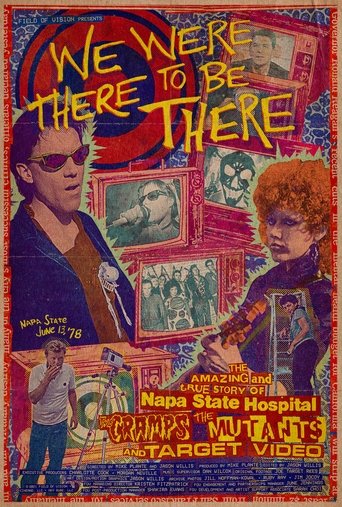
We Were There to Be There
2021
On June 13, 1978, the punk bands the Cramps and the Mutants played a free show for psychiatric patients at the Napa State Hospital in California. We Were There to Be There chronicles the people, politics, and cultural currents that led to the show and its live recording.
More info →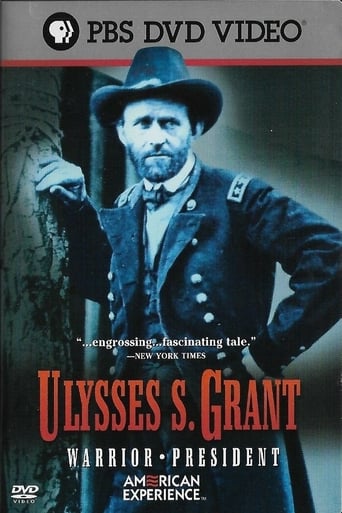
Ulysses S. Grant
2002 · ★ 9
As a general, he had fought to preserve the Union. As president, he helped to oversee the transformation from union to nation. As a former president, he was the embodiment of the very idea of national union, and of America's entry onto the world stage. As a dying general, he was the symbol of the nation's greatest and most traumatic war. The story of Ulysses S. Grant's life, from his first days on the Ohio frontier to his last days out-writing death in the Adirondacks, is an endlessly fascinating one. Few public figures have ever held a such a firm grip on the American popular imagination. Grant was a man whose rise from obscurity made him a hero to millions who could see themselves in him. An ordinary man who faced and met extraordinary challenges, his successes and failures seemed to encapsulate the national character. He was so popular with the American public that, despite his two scandal-ridden terms as president, he was nearly nominated to run for a third term.
More info →American Experience: Ulysses S. Grant (Part 2)
2002
As a general, he had fought to preserve the Union. As president, he helped to oversee the transformation from union to nation. As a former president, he was the embodiment of the very idea of national union, and of America's entry onto the world stage. As a dying general, he was the symbol of the nation's greatest and most traumatic war. The story of Ulysses S. Grant's life, from his first days on the Ohio frontier to his last days out-writing death in the Adirondacks, is an endlessly fascinating one. Few public figures have ever held a such a firm grip on the American popular imagination. Grant was a man whose rise from obscurity made him a hero to millions who could see themselves in him. An ordinary man who faced and met extraordinary challenges, his successes and failures seemed to encapsulate the national character. He was so popular with the American public that, despite his two scandal-ridden terms as president, he was nearly nominated to run for a third term.
More info →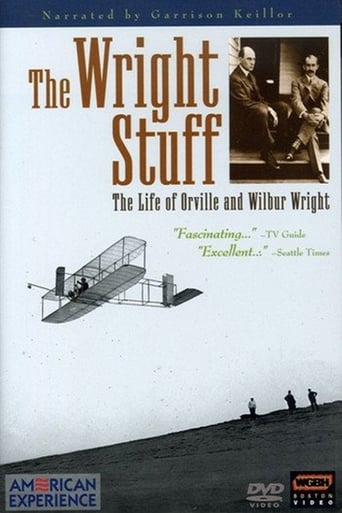
The Wright Stuff
1996 · ★ 9
On August 8, 1908, at a racetrack outside Paris, Wilbur Wright executed what was, for him, a routine flight: a smooth take-off banking into a couple of tight circles, ending in a perfect landing. The flight took less than two minutes, but it left spectators awestruck. While the combined talents of Wilbur and Orville Wright had produced the first plane capable of controlled flight , their distrust of others had almost cost them the credit for their invention. Now, having proved to the public that they had mastered the sky, the reserved brothers from the small town of Dayton, Ohio, became world celebrities.
More info →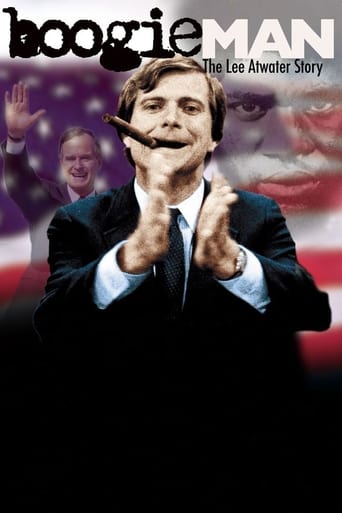
Boogie Man: The Lee Atwater Story
2008 · ★ 7.7
Boogie Man is a comprehensive look at political strategist, racist, and former Republican National Convention Committee chairman, Lee Atwater, who reinvigorated the Republican Party’s Southern Strategy to increase political support among white voters in the South by appealing to racism against African Americans. He mentored Karl Rove and George W. Bush and played a key role in the elections of Reagan and George H.W. Bush.
More info →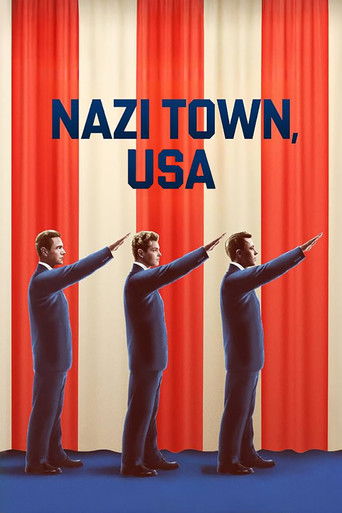
Nazi Town, USA
2024 · ★ 8.2
In February 1939, more than 20,000 Americans filled Madison Square Garden for an event billed as a “Pro-American Rally.” Images of George Washington hung next to swastikas and speakers railed against the “Jewish controlled media” and called for a return to a racially “pure” America. The keynote speaker was Fritz Kuhn, head of the German American Bund. Nazi Town, USA tells the largely unknown story of the Bund, which had scores of chapters in suburbs and big cities across the country and represented what many believe was a real threat of fascist subversion in the United States. The Bund held joint rallies with the Ku Klux Klan and ran dozens of summer camps for children centered around Nazi ideology and imagery. Its melding of patriotic values with virulent anti-Semitism raised thorny issues that we continue to wrestle with today.
More info →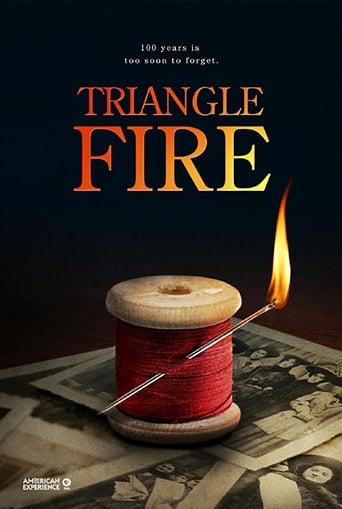
Triangle Fire
2011 · ★ 7
The Triangle Fire chronicles the 1911 fire at the Triangle Shirtwaist Factory in New York City killing one hundred and forty-eight young women and forever changed the relationship between labor and industry in the United States.
More info →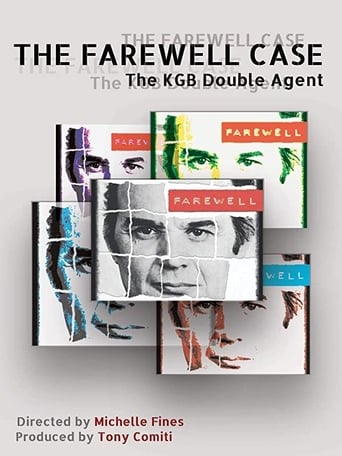
Farewell, the spy who loved France
2019 · ★ 8.7
"The Farewell Affair" is one of the greatest espionage stories of the Cold War that will result in the accelerated fall of the USSR. It involves Vladimir Vetrov, a KGB agent put in the closet, who decides to contact the DST and deliver several lists of technological and scientific agents and secrets, which the KGB has been stealing from the countries of the Western Blocs for decades.
More info →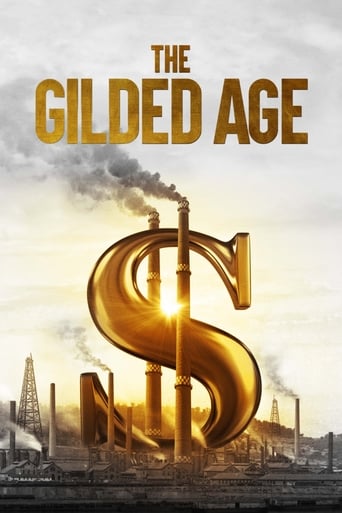
The Gilded Age
2018 · ★ 8
In the closing decades of the nineteenth century, during what has become known as the Gilded Age, the population of the United States doubled in the span of a single generation. As national wealth expanded, two classes rose simultaneously, separated by a gulf of experience and circumstance that was unprecedented in American life. These disparities sparked passionate and violent debate over questions still being asked in our own times: How is wealth best distributed, and by what process? Does government exist to protect private property or provide balm to the inevitable casualties of a churning industrial system? The outcome of these disputes was both uncertain and momentous, and marked by a passionate vitriol and level of violence that would shock the conscience of many Americans today.
More info →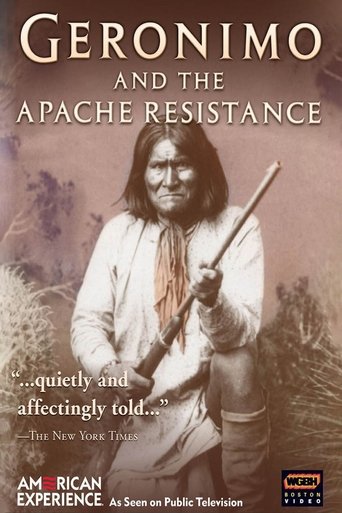
Geronimo and the Apache Resistance
1988
Legendary Apache warrior Geronimo was loved by his people for his fierce courage while pioneers feared him as a cold-blooded murderer. This program searches for the truth behind the myth through the use of memoirs, letters, photographs and interviews with the descendants of those who fought alongside Geronimo. Learn the mysteries of the Apache tribe that helped them stand up to any outside threats and escape danger.
More info →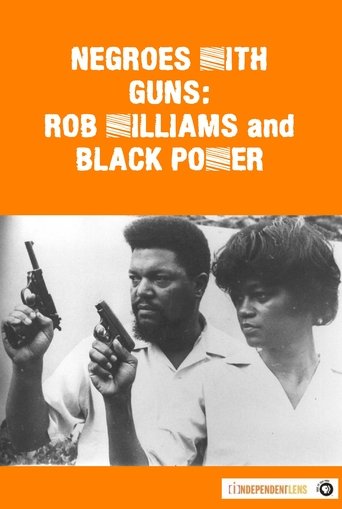
Negroes with Guns: Rob Williams and Black Power
2004 · ★ 7
Rob Williams was an African-American living in Monroe, North Carolina in the 1950s and 1960s. Living with injustice and oppression, many African-Americans advocated a non-violent resistance. Williams took a different tack, urging the oppressed to take up arms. Williams was stripped of his rank as leader of the local NAACP chapter, but he continued to encourage local African-Americans to carry weapons as a means of self-defense. Wanted on a kidnapping charge, Williams and his wife fled to Cuba. His radio show Radio Free Dixie could be heard in some parts of the United States.
More info →