Shake Up Brazil
2017 · 25m · Documentary
One port, the discovery and two bodies in motion.
More Like This
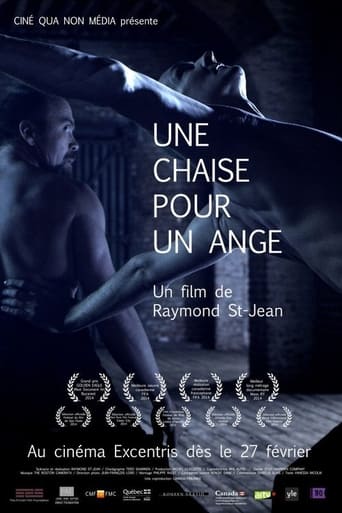
A Chair Fit for an Angel
2014
For two hundred years, the Shakers have been America's most successful utopian society. While seeking harmony, order and perfection in every aspect of their lives, they built minimalistic furniture and buildings that influenced modern design. The Shakers wrote songs of exquisite beauty and danced to the point of ecstasy during their religious meetings. Inspired by this music and dance, choreographer Tero Saarinen created Borrowed Light, a dance piece about communal life and individual sacrifice. Shot in Finland and the United States, featuring interviews and excerpts from Borrowed Light, this documentary explore the cultural legacy of this religious group devoted to creating heaven on earth.
More info →
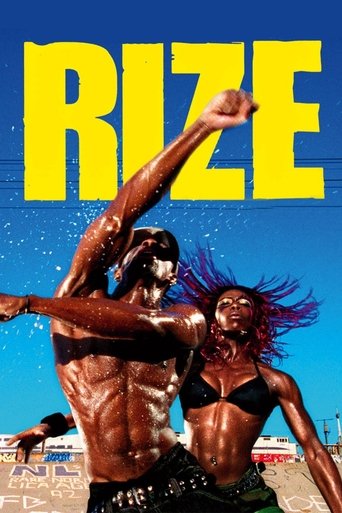
Rize
2005 · ★ 6.8
A documentary film that highlights two street derived dance styles, Clowning and Krumping, that came out of the low income neighborhoods of L.A.. Director David LaChapelle interviews each dance crew about how their unique dances evolved. A new and positive activity away from the drugs, guns, and gangs that ruled their neighborhood. A raw film about a growing sub-culture movements in America.
More info →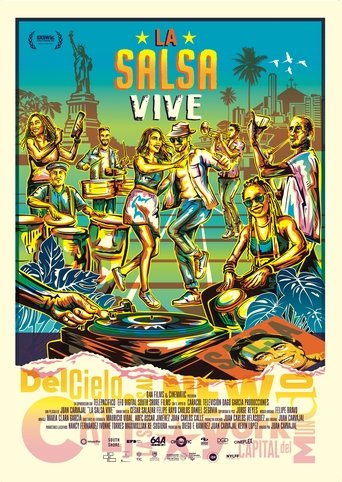
Salsa Lives
2025 · ★ 8.2
La Salsa Vive is a vibrant cinematic exploration of Afro-Cuban music's history, tracing its roots from New York's lively streets to Cali, Colombia, now the global salsa capital.
More info →I Will Dance
2015
Follows the young people of Selma, Alabama's RATCo (Random Acts of Theatre Company) as they journey to New York City to share their story of hope, resilience, and overcoming.
More info →
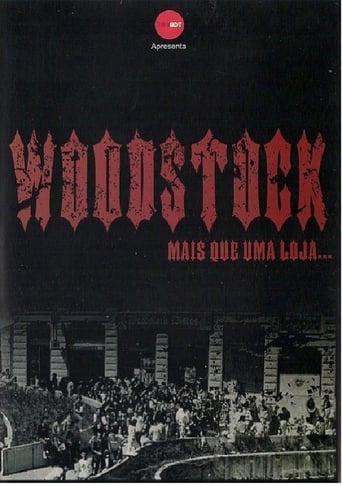
Woodstock - Mais Que Uma Loja
2014 · ★ 7.5
"Woodstock - Mais Que Uma Loja" tells the story of the Woodstock Discos store, a stronghold considered ground zero for heavy metal in São Paulo and one of the pioneers of the style in Brazil.
More info →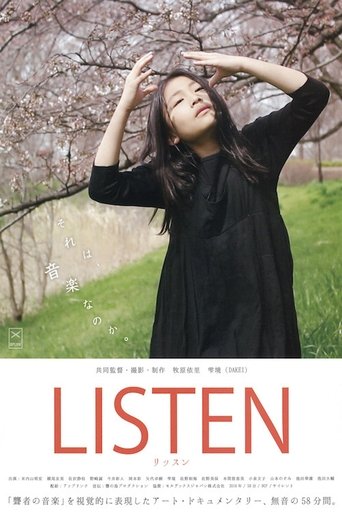
Listen
2016
Documentary without audio produced by deaf people. Music is depicted visually with the complete absence of musical instruments or voices. Directed by Makihara Eri and choreographer Dakei. With a diverse lineup including ordinary deaf people with zero acting experience and a choreographer who performs in Japan and abroad, this film pulls out all the tops to give visual expression to music through the physical body. An aging man uses multiple sign language poems to convey the four seasons, and a girl expresses the wind amidst the rustling trees.
More info →
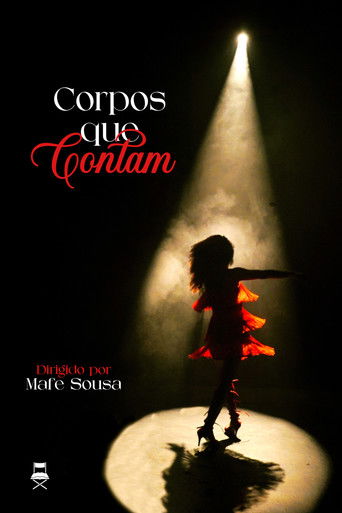
Corpos que Contam
2025 · ★ 10
Samba, Popping, and Jazz. Through these dance styles and documentary interviews, Bodies That Tell Stories seeks to discuss the standardization and whitening of dances that had their roots in Black people.
More info →