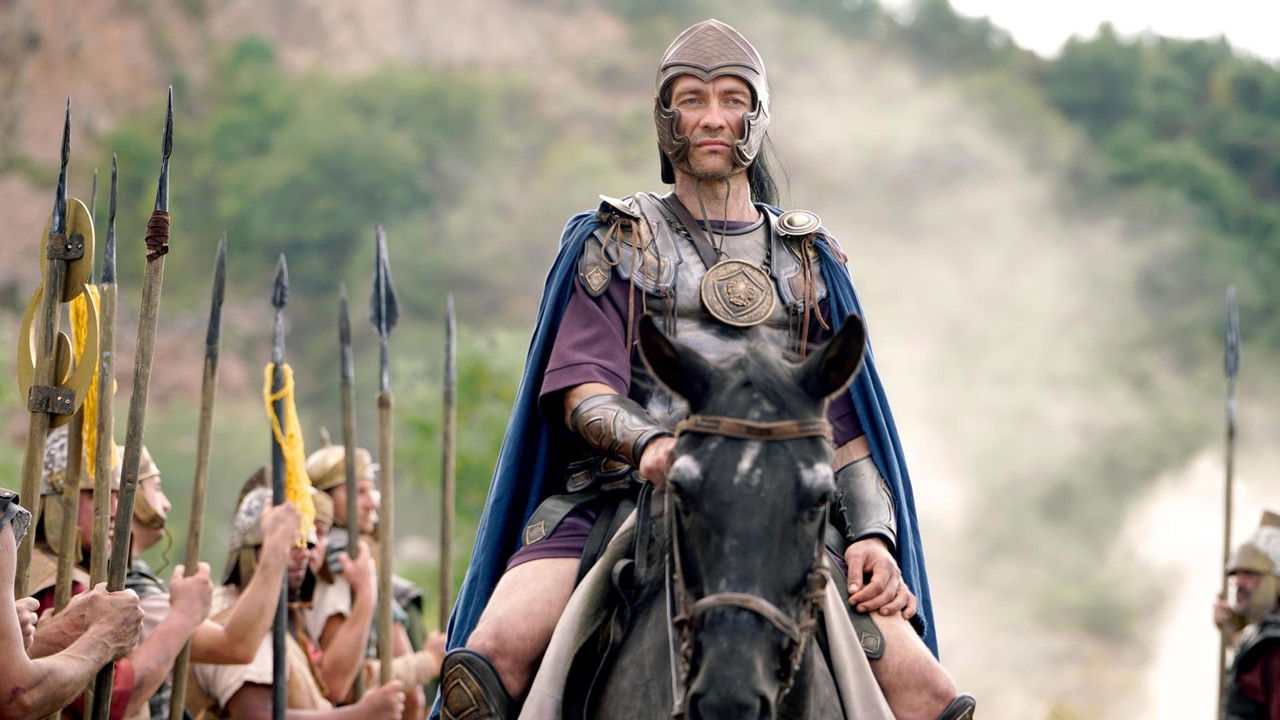
Hannibal: A March on Rome
★ 4.1 · 2018 · 50m · Documentary
Even today it is considered one of the greatest military feats ever. In 218 BC, a Carthaginian army of ninety thousand men and three dozen elephants set out to cross the Alps to challenge the might of Rome. The exact route chosen by Hannibal, its charismatic commander, has been a matter of dispute ever since. Now, researchers believe they might be able to track his route. It is one of the mysteries of history, which way the Carthaginian commander Hannibal took in 218 BC to cross the Alps.
More Like This
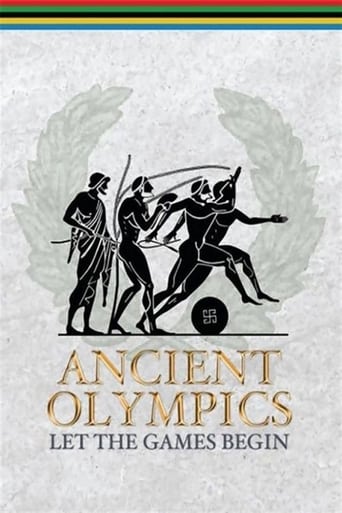
Ancient Olympics: Let the Games Begin
2004
Come back with us to Ancient Greece, 2,500 Years ago to the original Olympic Games. The ancient Games, like our modern Olympics, included champions and cheaters, glory and scandals, bitter rivalries and contests of strength, speed and savage combat. Set in 448 BC when the pounding of horse's hooves and the brutal hand-to-hand combat could be heard and seen by the crowds that filled the Olympic stadium. This one-hour special event follows the glory and corruption of the arc of a single, five-day Olympiad. The competitions include chariot racing, running, jumping, discus, javelin and two man-to-man combat finals-boxing and pankration, a form of extreme fighting in which death was not uncommon. With the help of sports historians and great athletes such as George Chuvalo and Olympic medallists Donovan Bailey and Angela Schneider, viewers travel back to a very different life-in a very different world.
More info →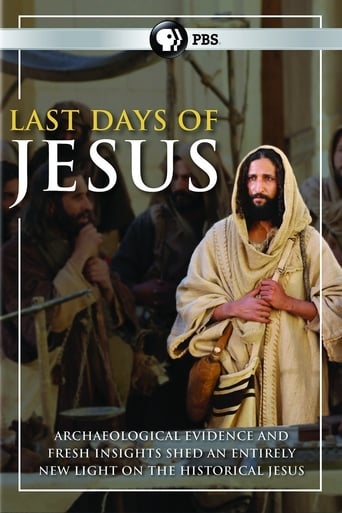
The Last Days of Jesus
2017
For almost two thousand years, the story of Jesus’ final days has been celebrated by Christians the world over. From Jesus’ triumphant entry into Jerusalem, through to his eventual crucifixion six days later, the key moments have been immortalized in countless films, pieces of music, and works of art. But in recent years, some historians have begun to question inconsistencies in the Gospels’ version of events. They believe that the Gospels could hide a very different story; one that casts the historical Jesus in an entirely new light. Based on a new interpretation of contemporary historical events in Rome, "Last Days of Jesus" peels back thousands of years of tradition, to explore a new political context to the events in Jerusalem. "Last Days of Jesus" explores how dramatic political events in Rome could have played a crucial role in shaping Jesus’ destiny, and examines an extraordinary political alliance that altered the course of history.
More info →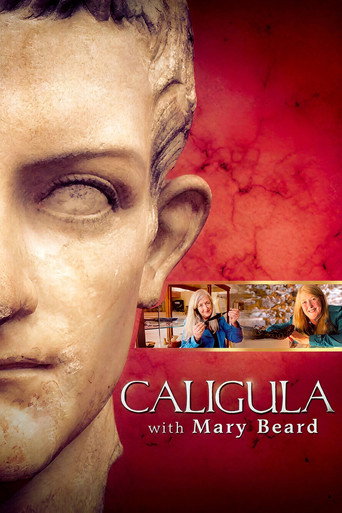
Caligula with Mary Beard
2013 · ★ 7.5
What is true and what is false in the hideous stories spread about the controversial figure of the Roman emperor Gaius Julius Caesar Augustus Germanicus (12-41), nicknamed Caligula? Professor Mary Beard explains what is accurate and what is mythical in the historical accounts that portray him as an unbalanced despot. Was he a sadistic tyrant, as Roman historians have told, or perhaps the truth about him was manipulated because of political interests?
More info →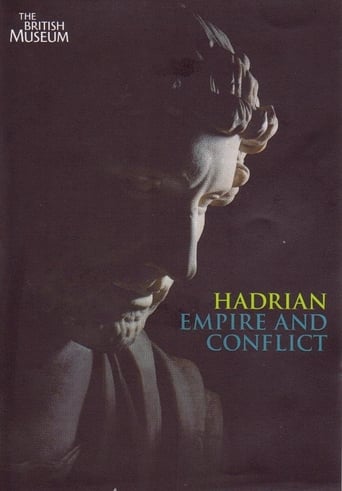
Hadrian - Empire And Conflict
2008
Documentary released to coincide with the British Museum's exhibition dedicated to the man who ruled the Roman Empire from 117 to 138 AD. The programme explores the life, achievements, passions and legacy of the emperor who was both soldier and poet and responsible for that most famous construction - Hadrian's Wall. The documentary was produced in conjunction with the exhibition Hadrian: Empire and Conflict at the British Museum 24 July - 26 October 2008.
More info →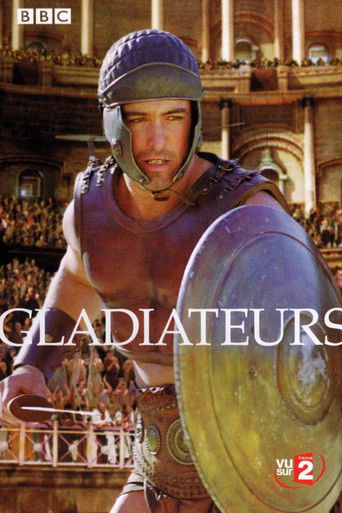

Terry Jones' Barbarians
2006
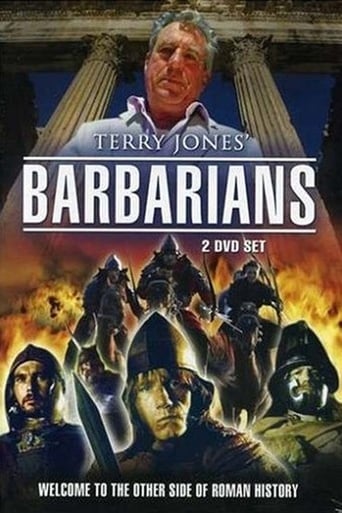
Terry Jones' Barbarians is a 4-part TV documentary series first broadcast on BBC 2 in 2006. It was written and presented by Terry Jones, and it challenges the received Roman and Roman Catholic notion of the barbarian. Professor Barry Cunliffe of the University of Oxford acted as consultant for the series.
More info →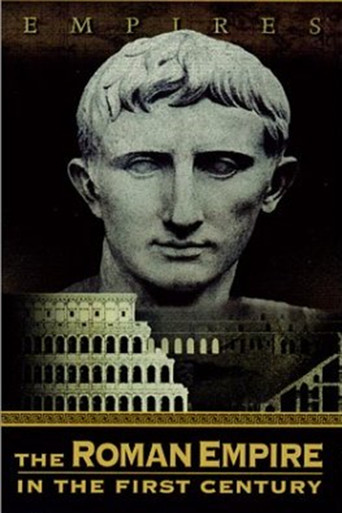
The Roman Empire in the First Century
2001 · ★ 6.3
Two thousand years ago, at the dawn of the first century, the ancient world was ruled by Rome. Through the experiences, memories and writings of the people who lived it, this series tells the story of that time - the emperors and slaves, poets and plebeians, who wrested order from chaos, built the most cosmopolitan society the world had ever seen and shaped the Roman empire in the first century A.D.
More info →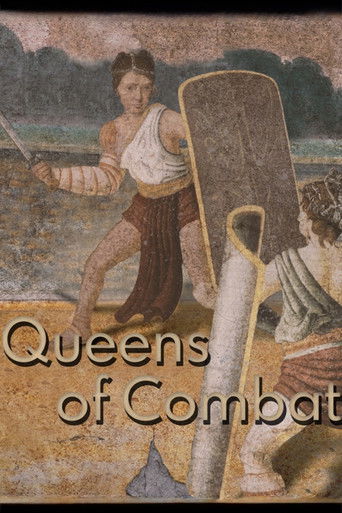
Queens of Combat: Rome's Female Gladiators
2026 · ★ 8
What if women were hidden among the ranks of Ancient Rome’s fearsome gladiators? A group of experts searches for evidence to prove women once fought in the arena just like men. Combining history, archaeology, and forensic investigation, journey across Europe in a quest for answers. If a female gladiator's existence can be proven definitively, what can we learn about their lives?
More info →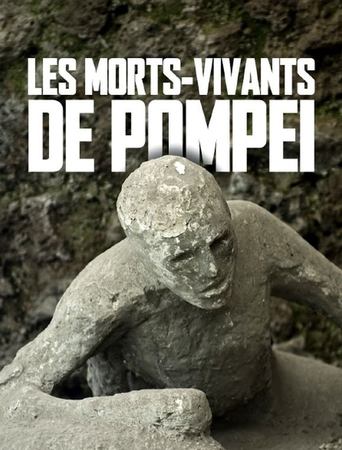
Pompeii's Living Dead
2018
Restoration expert Giancarlo Napoli takes on the important task of saving 86 plaster casts of Pompeii citizens that were created by archaeologist Carlo Fiorelli in the 1860s.
More info →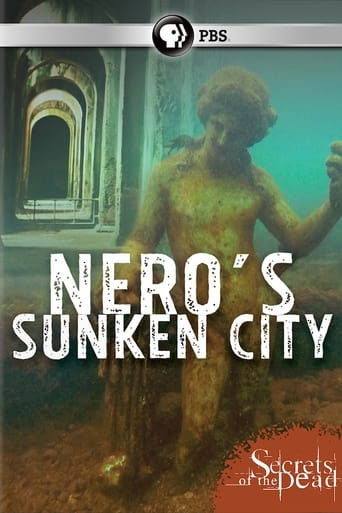
Nero's Sunken City
2017 · ★ 5
Beneath the turquoise waves of the Bay of Naples lies an extraordinary underwater archeology site, the ancient Roman city of Baiae. From the first century to the third century AD, Baiae was the exclusive playground for the rich and powerful among Rome’s elite. What made Baiae such a special place? What really went on there? And why did it disappear?
More info →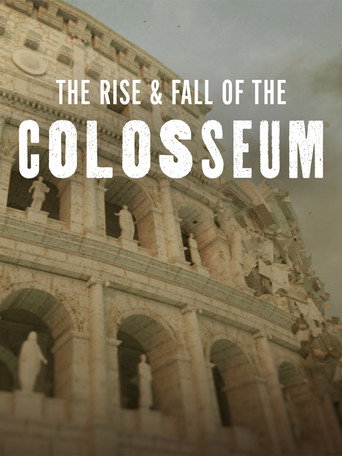
The Rise & Fall of the Colosseum
2025
The Colosseum: the jewel of Ancient Rome. It wowed vast crowds with extraordinary battles. It pushed the boundaries of technology. It exhibited Rome’s vast wealth and power. Roman leaders spread the Colosseum’s design throughout the Empire, and it helped them conquer the ancient world. But just as the structure embodied Rome’s power, so too did it contribute to the Empire’s downfall.
More info →