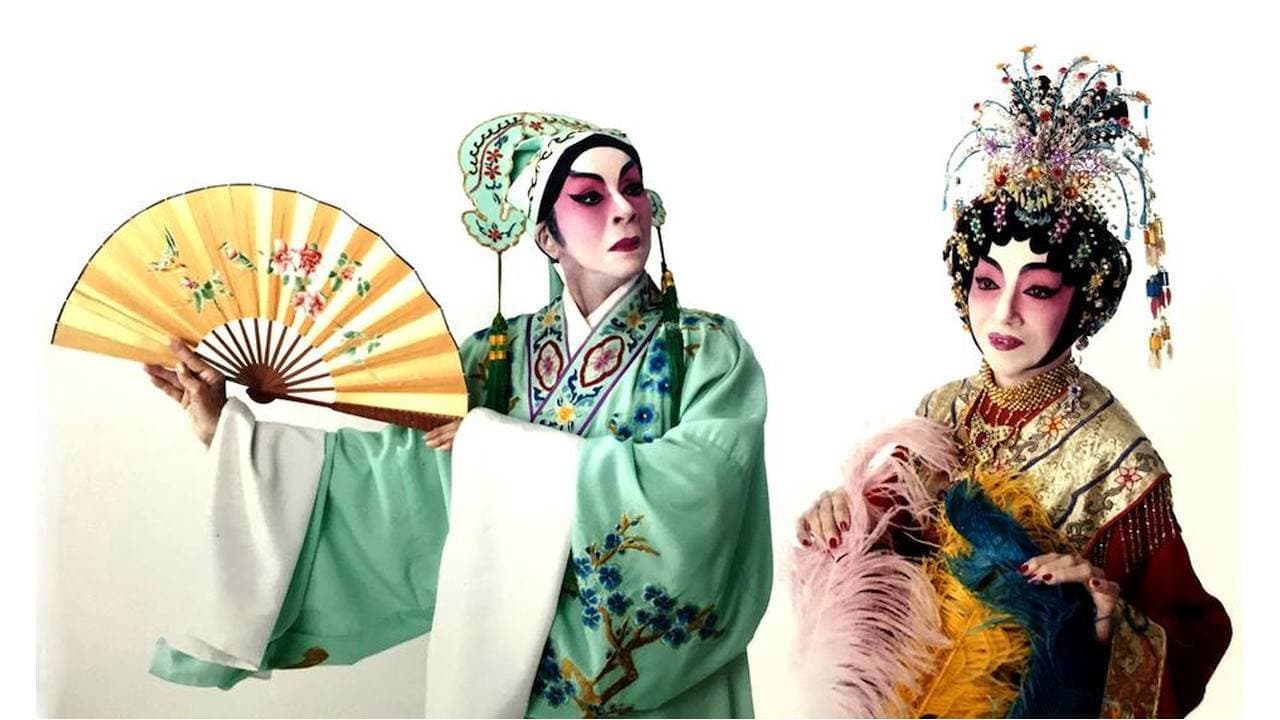
Havana Divas
★ 5 · 2018 · 91m · Documentary
The story focus on Caridad and Georgina, who had learned the art of Cantonese Opera in Havana as a young age and performed as divas for over a decade before their lives were changed by Fidel Castro's revolution.
More Like This
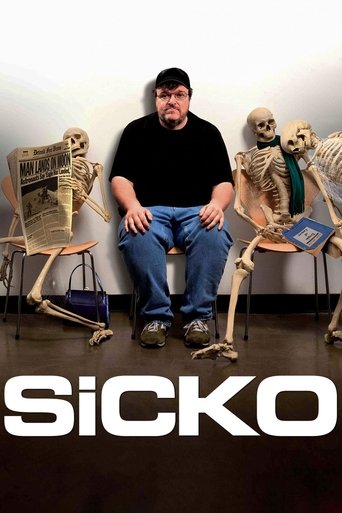
Sicko
2007 · ★ 7.4
A documentary about the corrupt health care system in The United States whose main goal is to make profit even if it means losing people’s lives. "The more people you deny health insurance, the more money we make" is the business model for health care providers in America.
More info →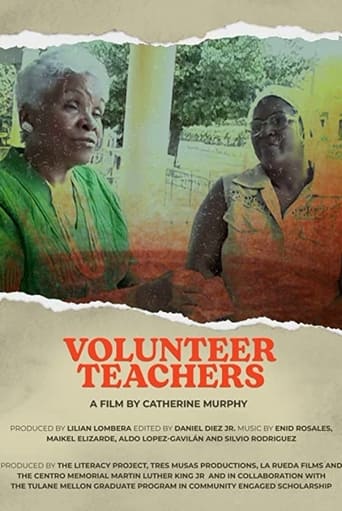
Maestras Voluntarias
2022
Ana Deborah Mola and Belkis Lescaille were among the first young teachers who started pilot programs around the island of Cuba in 1960, laying foundation for the massive National Literacy Campaign that would take place the following year.
More info →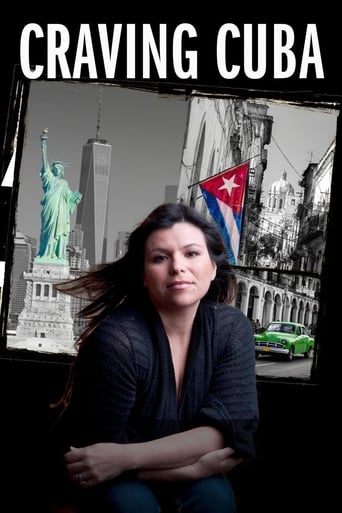
Craving Cuba
2016
A documentary that explores bi-cultural identity through the Cuban-American lens, exploring the Cuban-American experience and their complicated relationship with Cuba.
More info →
I'm Going to Santiago
1964 · ★ 6.4
This black-and-white film is a loving portrait of Santiago de Cuba and its people. It provides a view of Cuba as a picturesque country, the product of an earthy mix of black and criollo cultures. The film uses historical images which portray the end of the eighteenth century when Haitian slave owners fled with their slaves to Cuba after the Haitian Revolution.
More info →
Cuba's Cancer Hope
2020
When the U.S. trade embargo left Cuba isolated from medical resources, Cuban scientists were forced to get creative. Now they've developed lung cancer vaccines that show so much promise, some Americans are defying the embargo and traveling to Cuba for treatment. In an unprecedented move, Cuban researchers are working with U.S. partners to make the medicines more widely available.
More info →
Che, Today and Always
1983 · ★ 10
A sound system plays Commander Ernesto Guevara's speech, delivered on October 20, 1962, during the Second Anniversary of the Young Communist League, along with a series of archival images of the revolutionary leader visiting factories and meeting with workers.
More info →
Sankara's Orphans
2023
Thomas Sankara came to power in Burkina Faso in 1983, with the promise of a revolutionary government that would transform the West African country. To help build the revolution, he sent 600 children — many orphans from rural areas — to be educated in Cuba. But after Sankara’s assassination, the children were stranded. The last would only return to Burkina Faso in 2005. SANKARA’S ORPHANS tells their stories through interviews with some of the 600, along with archival footage of their lives on Cuba’s Isle of Youth — where both Sankara and Fidel Castro came to visit. Along with their education, the children worked in the fields and received weapons training. This, combined with their idealism, frightened the new Burkina Faso regime, which worried they might return and take up arms.
More info →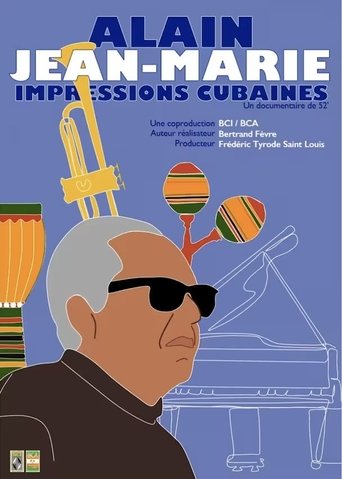
Alain Jean-Marie, impressions cubaines
2024
On the occasion of his 80th birthday, an intimate documentary follows the illustrious pianist and great French jazz musician, Alain Jean-Marie from Guadeloupe, on a recent trip to Cuba. He talks about his career, his adolescence, and his youth in Guadeloupe, where he was rocked and deeply influenced by Cuban music. Director Bertrand Fèvre followed this now essential artist in Havana, to be discovered or rediscovered through a film set to jazz.
More info →
Kitchen Dialogue
2025
A generational trauma through the lens of an Asian American teenager through food and poetry.
More info →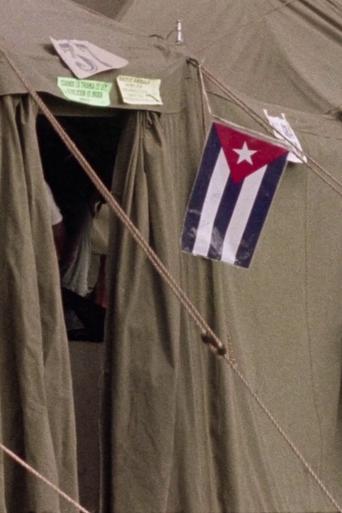
Tent City
1981
The story of a group of Cubans who arrived in Miami during the Mariel Boatlift and were housed in an improvised camp in the heart of the city. Everyone lived together —men and women, homosexuals and heterosexuals, separated only by cloth curtains that hung from ropes suspended between the beds, like floating walls.
More info →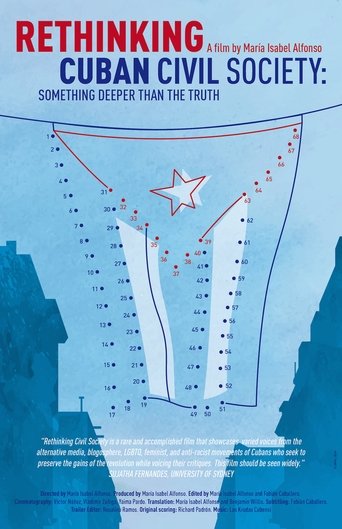
Rethinking Cuban Civil Society
2019 · ★ 5
The notion of a Cuban civil society is often misrepresented in the U.S. mainstream media. According to most sources, Cuban civil society is limited to the opposition, which has little impact on the Cuban political scenario. Regardless, yearly, the U.S. government allocates tens of millions of taxpayer money to empower dissidents in the island. By doing so, it overlooks genuine expressions of pluralism, reform and contestation which are shaping the Cuban public sphere, sometimes in autonomous ways, sometimes within State-run institutions. Through in-depth interviews to members of Cuban Civil society, this documentary explores the complexities associated to these processes, following the itinerary of the debate about the concept of civil society generated in Cuba, since the 90s to the present.
More info →
On Sugar Workers' Quarters
1971 · ★ 8
Documentary about the history of the bateyes, informal settlements surrounding the mills to house workers. Throughout the film, Sara Gómez recovers the political and cultural relevance of black migrants.
More info →