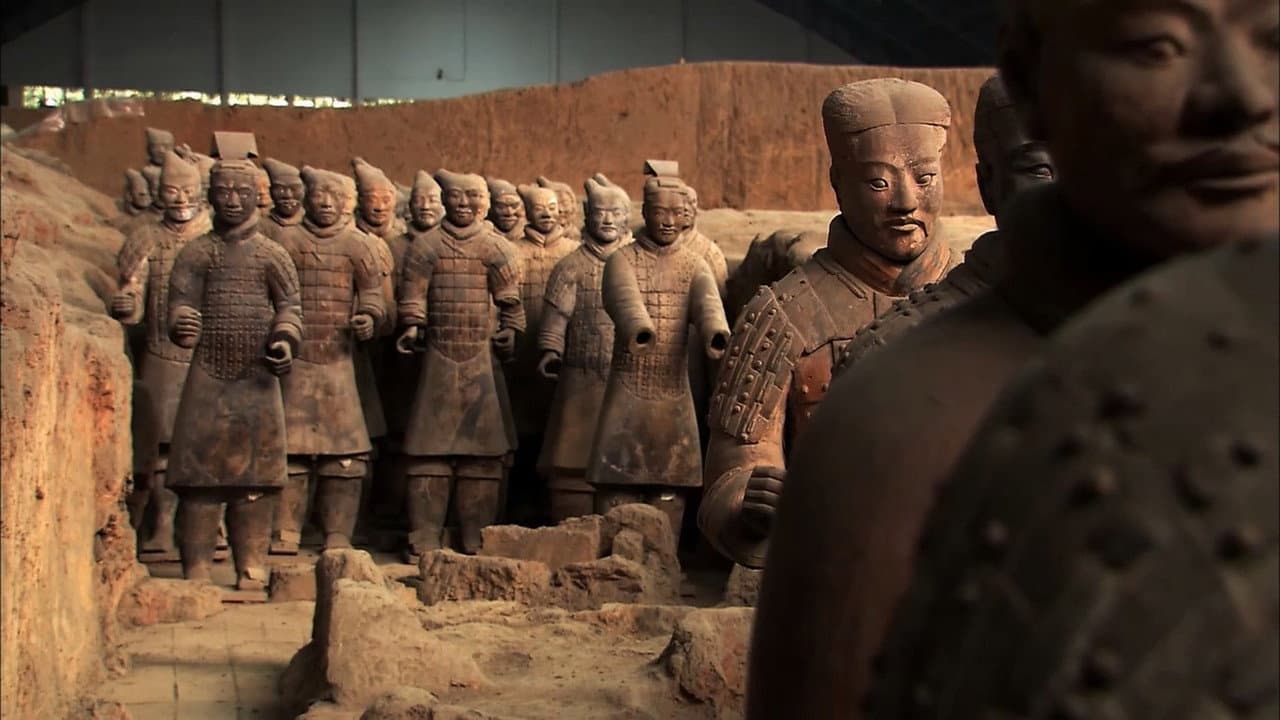
China - Treasures of the Jade Empire
★ 8.7 · 2015 · Documentary
More Like This

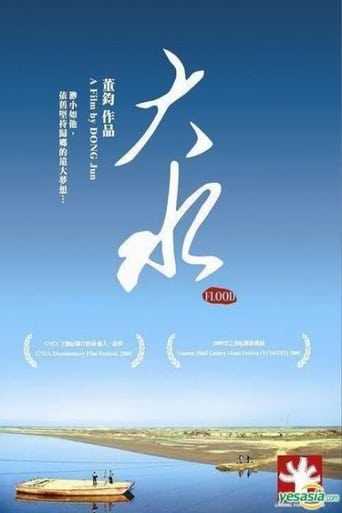
Flood
2008 · ★ 6.5
It has been forty years since the Sanmen Gorge project, a great dam high across the Yellow River at Sanmen Gorge, was completed. It's construction has had a large impact on the environment and the people. Among these are conflicts with local farmers, resettlement and life in exile of villagers, flooding and economical development.
More info →
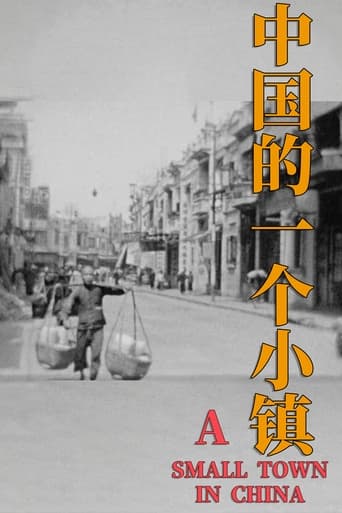
A Small Town in China
1933 · ★ 7.7
Shot by Methodist missionaries, this is an incredibly charming record of small-town life in an unidentified location in China. We see a bustling wharf town with canal-side dwellings, distinctive school buildings, and a hospital where newly graduated nurses pose for a group portrait. The relaxed smiles of Chinese and Europeans are captured in intimate close-ups, suggesting a tight-knit community.
More info →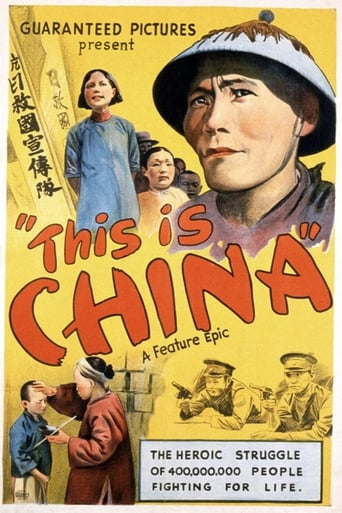
This Is China
1946 · ★ 6.5
A fascinating compilation of scenes showing diversity and disparity in 1940s China. The ancient Forbidden City and Great Wall are followed by Shanghai’s metropolitan skyline; primitive farming methods are juxtaposed with mechanised factories; children in rags are contrasted with models wearing the latest fashions; Nationalist commanders and Communist leaders vie for support.
More info →
Tea War: The Adventures of Robert Fortune
2016
In the 19th century, China held the monopoly on tea, which was dear and fashionable in the West, and the British Empire exchanged poppies, produced in its Indian colonies and transformed into opium, for Chinese tea. Inundated by the drugs, China was forced to open up its market, and the British consolidated their commercial dominance. In 1839, the Middle Empire introduced prohibition. The Opium War was declared… Great Britain emerged as the winner, but the warning was heeded: it could no longer depend on Chinese tea. The only alternative possible was to produce its own tea. The East India Company therefore entrusted one man with finding the secrets of the precious beverage. His mission was to develop the first plantations in Britain’s Indian colonies. This latter-day James Bond was called Robert Fortune – a botanist. After overcoming innumerable ordeals in the heart of imperial China, he brought back the plants and techniques that gave rise to Darjeeling tea.
More info →
Mont Saint-Michel: The Enigmatic Labyrinth
2017 · ★ 7.2
Over the centuries, Mont Saint-Michel, an extraordinary island located in the delta of the Couesnon River, in Normandy, France, a place floating between the sea and the sky, has been a sanctuary, an abbey, a fortress and a prison. But how was this architectural wonder built?
More info →King Tut: Forgotten Treasure
2019 · ★ 6
What exactly happened to all the objects found by Howard Carter after he finished exploring Tutankhamun's tomb in 1930 after they had been lying there for the past 3200 years? The most precious of them are exhibited in the Egyptian Museum in Cairo but most were kept out of sight from the very beginning. Ninety years later, for the first time, most of these objects will finally be brought together in the precinct of the great Museum of Giza. Some of them will make their way to the U.S.A. and Paris, where they will be exposed at the Cité des Sciences et de l'Industries in the autumn of 2018 - and then in London, Berlin, Tokyo and…
More info →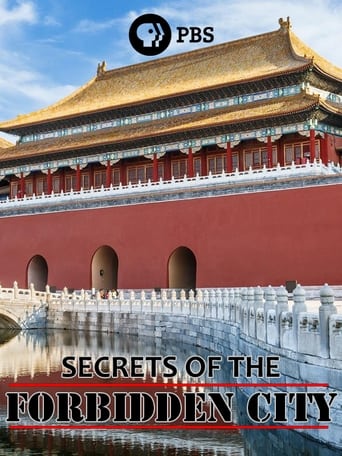
Secrets of the Forbidden City
2017 · ★ 9
The Forbidden City is the world’s biggest and most extravagant palace complex ever built. For five centuries, it was the power center of imperial China and survived wars, revolution, fires, and earthquakes. How did the Ming Emperor’s workforce construct its sprawling array of nearly 1,000 buildings and dozens of temples in a little over a decade?
More info →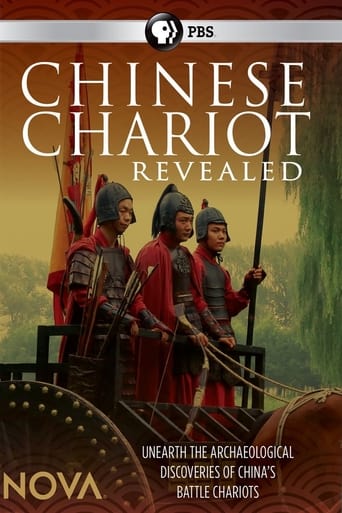
Chinese Chariots Revealed
2017 · ★ 8
For over 1,000 years, chariots were indispensable weapons in ancient China. The art of chariot driving and special warfare were used there for longer than anywhere else. Their contribution to the unification of the Chinese empire is undisputed. New archaeological discoveries reveal how the Chinese developed and perfected this sophisticated weapon. In the Bronze Age, over 3,000 years ago, chariots and other war equipment arrived in China from Central Asia via the Hexi Corridor. In addition to trade and new alliances, their spread was mainly due to the Zhou dynasty's incessant military campaigns against rebellious vassal states and the constant attacks by the mobile cavalries of its northern neighbors. Manned with spearmen or archers, the chariots were a decisive weapon in battle.
More info →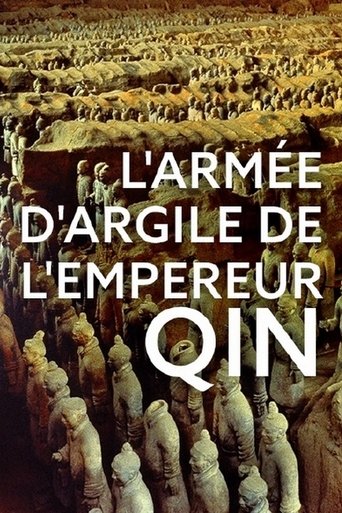
Nero's Sunken City
2017 · ★ 5
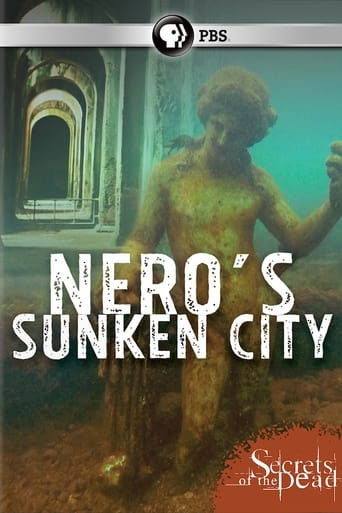
Beneath the turquoise waves of the Bay of Naples lies an extraordinary underwater archeology site, the ancient Roman city of Baiae. From the first century to the third century AD, Baiae was the exclusive playground for the rich and powerful among Rome’s elite. What made Baiae such a special place? What really went on there? And why did it disappear?
More info →