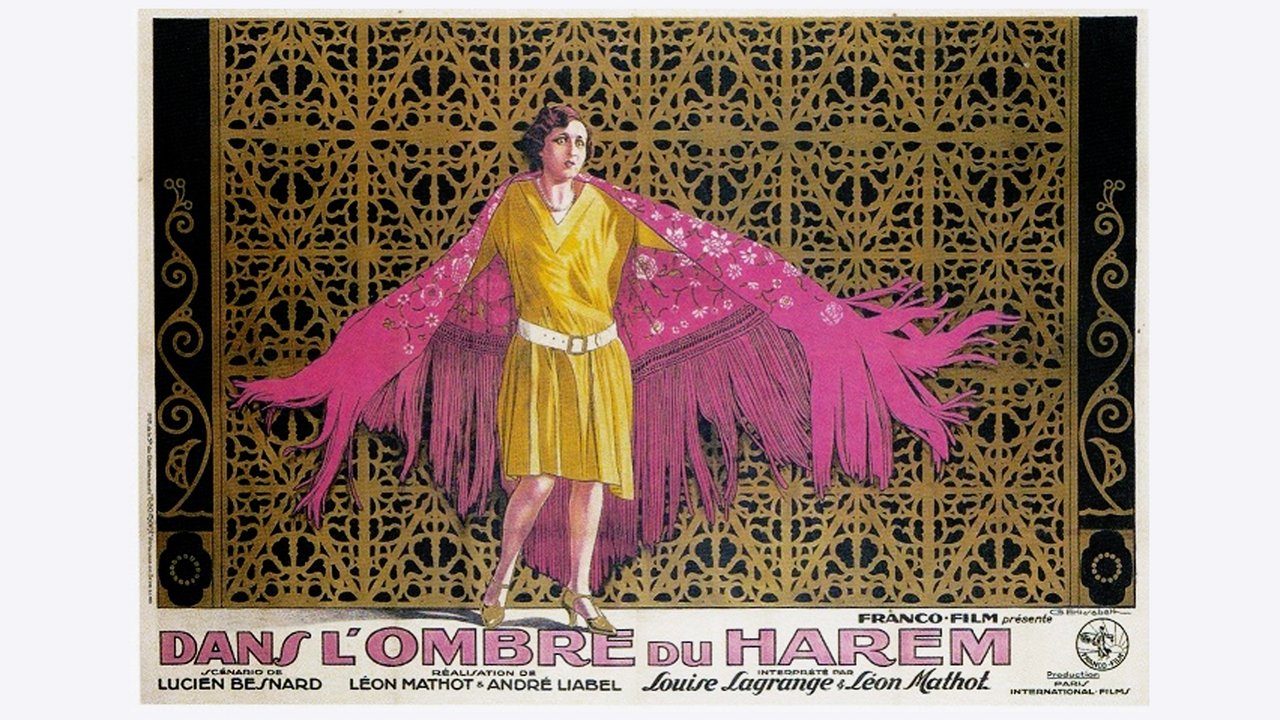
In the Shadow of the Harem
★ 7 · 1928 · Romance · Drama
An emir wants revenge on a secretary who posed as a rival to a beautiful woman. He holds in his palace which refers to himself as a trap, the wife of the secretary, and thinks of becoming her lover. The charm and nobility of the young woman end up softening the emir. He bows, returns her to her husband, and forgives the beauty.
More Like This
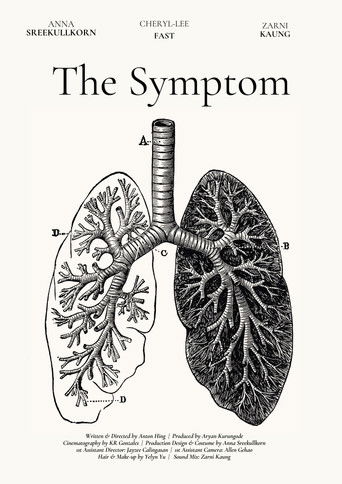
The Symptom
★ 10
A middle-aged woman comes down with a mysterious illness that causes her to lose her breath and faint. She attempts to travel to a far hospital but must find a passenger to keep her awake.
More info →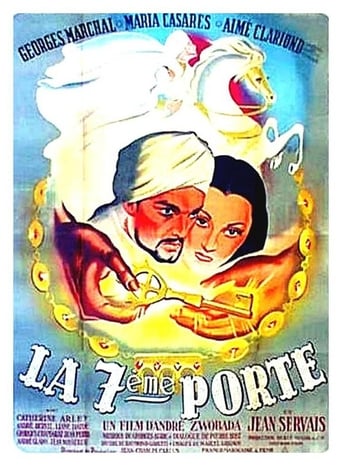
The Seventh Door
1947 · ★ 8.5
An old man about to die gives all his fortune to a young beggar he meets in an Arabian town. He takes him to his house (now the poor man's property) and he strongly advises him not to open one of the doors, the seventh door. "I could throw the key into the sea" says the young lad" No use, you'd dive to get it back". The young man is curious and he cannot resist temptation: he opens the forbidden door. A strange world is waiting for him where a girl, Leila, will be his guide .
More info →
Sheherazade: Words Against Death
2011
The collected work known as "One Thousand and One Nights" survived for centuries through generations of Arab storytellers, and is now recognized as an integral part of world literature. In this filmed performance, storyteller/filmmaker Nacer Khemir sits on chair in the middle of a dimly lit stage and deploys the magic of words to take us on a journey of the imagination. This simple set-up may not seem like much, but it offers the listener an extraordinarily colorful experience and brilliantly emphasizes the oral nature of the work. As we listen to the expertly told stories, we are equally charmed by their intricacies and entranced by their interconnectedness. Even though Khemir illustrates some of the stories with beautifully filmed sequences, the audience's ability to listen is paramount here. Sheherazade used words to avoid impending death, Khemir uses the art of storytelling to breathe a new life into this ancient masterwork.
More info →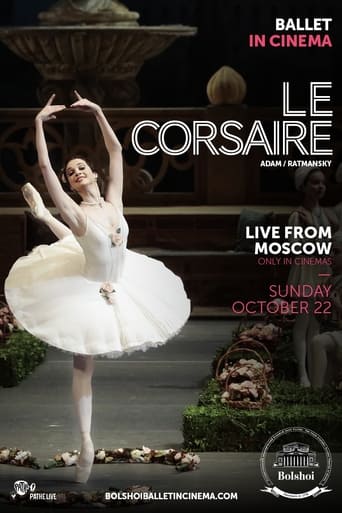
Bolshoi Ballet: Le Corsaire
2012
Inspired by Lord Byron’s epic poem, this jewel of the repertoire boasts a lavish production complete with a shipwreck, pirates, and some of ballet’s most renowned scenes.
More info →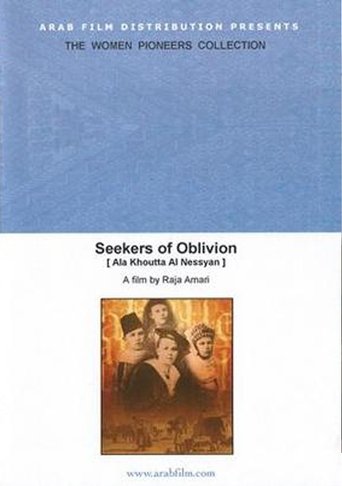
Seekers of Oblivion
2004 · ★ 5
Seekers of Oblivion explores the exciting life and adventures of Isabelle Eberhardt. Born in Geneva, Switzerland in 1877, Isabelle left Europe for North Africa at a young age. While there, she consorted with tramps, prostitutes, soldiers, murderers and thieves, at times masquerading as a man in orde.
More info →Vtáčia princezná
1991 · ★ 6
A fairy tale based on the tales of the Thousand and One Nights, about what else but greed, good and evil and finally love.
More info →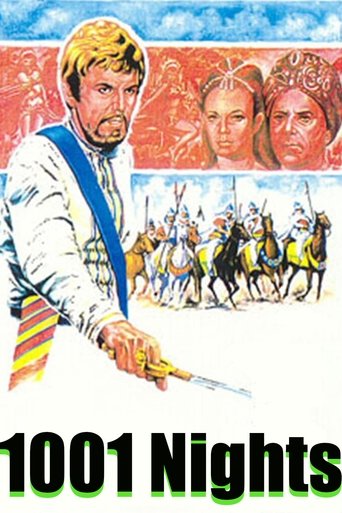
1001 Nights
1968 · ★ 5.2
Omar and his friend, Ali, returning to Moorish Granada after several years in the Middle East, discover that an evil usurper is now in power. With the help of a female genie, Omar sets about restoring freedom and justice.
More info →
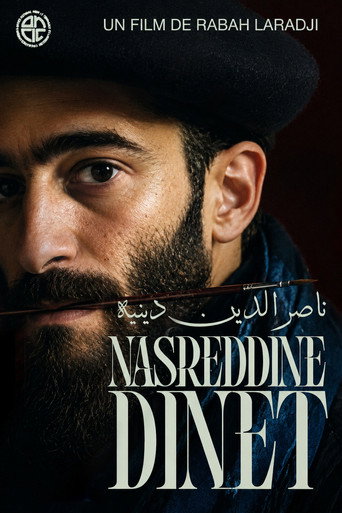
نصر الدين ديني
1977 · ★ 10
Étienne Dinet (إتيان دينيه), born March 28, 1861 in Paris, where he died on December 24, 1929, was a French painter and lithographer. He was one of the leading representatives of Orientalist painting at the turn of the 19th and 20th centuries. Obtaining a scholarship in 1884, Dinet undertook his first trip to southern Algeria in the region of Bou-Saâda, the Naili culture having a profound impact on him, as he would return there many times until he settled in his first Algerian studio in Biskra in 1900. In 1905, he bought a house in Bou-Saâda to spend three-quarters of the year there. In 1907, on his advice, the Villa Abd-el-Tif was created in Algiers, modeled on the Villa Medici in Rome. Having lived much of his life in Algeria, he called himself Nasreddine Dinet (نصر الدين ديني) after converting to Islam. On January 12, 1930, he was buried in the Bou-Saâda cemetery, where a museum that houses many of his works bears his name.
More info →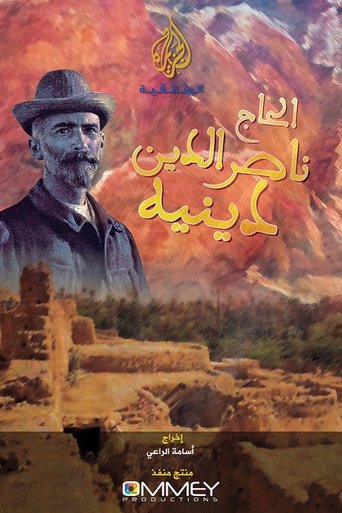
Hadj Nasreddine Dinet
2016 · ★ 10
Étienne Dinet, born March 28, 1861 in Paris, where he died on December 24, 1929, was a French painter and lithographer. Having lived much of his life in Algeria and recognized during his lifetime, he called himself Nasreddine Dinet after converting to Islam.
More info →
The Seven Tasks of Ali Baba
1962 · ★ 7
A wizard summons Ali Baba to transport a sacred crown to a nearby country. An evil ruler has taken over the land, and the crown is needed to free the people from his influence.
More info →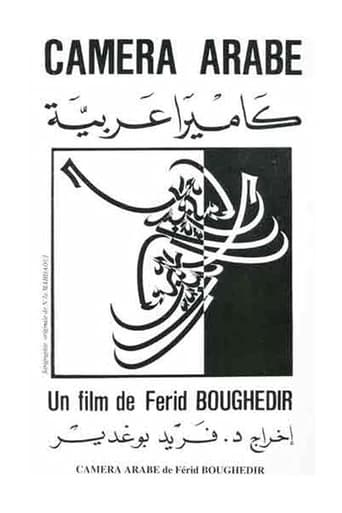
Arab Camera
1987 · ★ 6
Focusing on key Arab films produced in the last 20 years. Férid Boughedir traces the development of the film-makers' concern to produce more socially aware cinema. Themes include the issue of Palestinian homeland rights and the nature of Arab identity. The film-makers also share a desire to develop a strong poetic tradition.
More info →