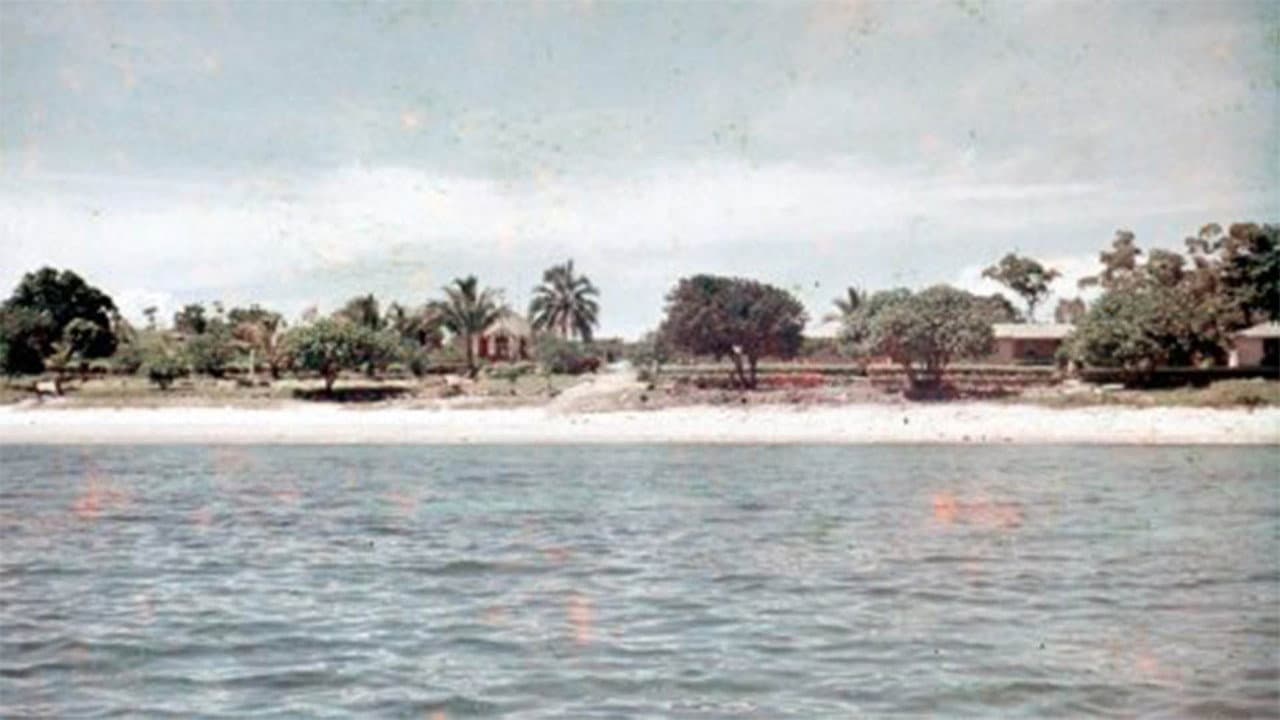
Fantome Island
2011 · 88m · Documentary
In 1945, at the age of seven, a young Joe Eggmolesse was diagnosed with Leprosy. He was immediately removed from his family and home and transported under police escort over a thousand kilometres to be confined on an island for the treatment of the disease. For the next ten years, a leprosarium for Aboriginal people became his home. A lush tropical idyll off the north east coast of Australia, Fantome Island was the home to a close knit community of indigenous 'lepers' who made the most of their existence as people living on the fringes of the marginalised. Now as a 73 year old Joe reflects on his indelible Fantome years. His incredible, poignant story offers a profound insight into one of Australia's hidden histories.
More Like This
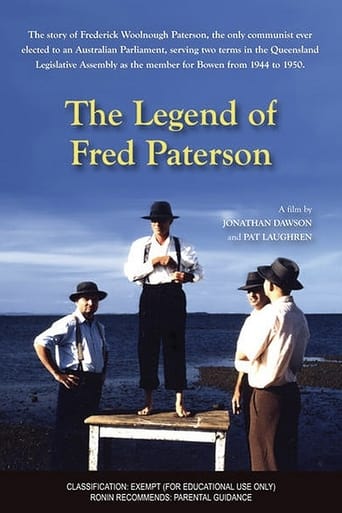
The Legend of Fred Paterson
1996 · ★ 8
The story of Fred Paterson, member for Bowen in the Queensland parliament in the 1940s and the only Communist Party member ever elected to any Australian parliament.
More info →
WINHANGANHA
2023
WINHANGANHA (Wiradjuri language: Remember, know, think) - is a lyrical journey of archival footage and sound, poetry and original composition. It is an examination of how archives and the legacies of collection affect First Nations people and wider Australia, told through the lens of acclaimed Wiradjuri artist, Jazz Money.
More info →
Audrey Napanangka
2023 · ★ 8
The story of a Warlpiri woman, Audrey, and her Sicilian partner Santo as they navigate through colonial systems to keep the children they care for together. Audrey Napanangka was born at a time when the world was changing for the people in the Central Australian Desert. Settler colonisation was permeating the desert and forced changes and the fusion of two worlds shifted Audrey’s life forever. Today, Audrey raises young people to walk in many worlds, by centering culture, language, and Law in their lives alongside mainstream education. The intimate footage filmed over 10 years in Mparntwe (Alice Springs), Yuendumu and Audrey’s Warlpiri country Mount Theo, showcases a heartwarming story about the power of kinship and family in what is known as Australia.
More info →
Songs of the Living
2023 · ★ 6.5
Composed of songs and memories, this powerful musical film traces the traumatic experience of young survivors from different parts of Africa. In the village of Conques in France, they found a therapeutic space where they learn to overcome their past and, through song, to imagine a new future.
More info →
The Ripple Effect
2021
The Ripple Effect is a powerful documentary primarily centred around St Kilda legend and proud Noongar Nicky Winmar's generation-defining stand against racism at Victoria Park in 1993.
More info →
My Survival as an Aboriginal
1979
Essie Coffey gives the children lessons on Aboriginal culture. She speaks of the importance of teaching these kids about their traditions. Aboriginal kids are forgetting about their Aboriginal heritage because they are being taught white culture instead.
More info →
My Life As I Live It
1993
In her second film, MY LIFE AS I LIVE IT (1993), Essie Coffey returns to her home in Dodge City where she and the A-Team are running in the shire elections. Inter-cutting between 1993 and 1978, the film presents the fascinating contrasts of a society in transition. Some of the kids we met in the earlier film now have families of their own and are involved in education, art and sports. Others are drifting, trying to cope with alcohol and depression. Most significantly, community programs offer the possibility of dignity and self-determination. In this film, Essie shows us the Community Development Employment Program (CDEP) making a real difference. Although the CDEP has now come under attack from the Federal government, MY LIFE AS I LIVE IT portrays the CDEP as providing meaningful work and services to an impoverished remote community.
More info →
Etched in Bone
2018
Drawing on original footage from National Geographic, Etched in Bone explores the impact of one notorious bone theft by a member of the 1948 American-Australian Scientific Expedition to Arnhem Land. Hundred of bones were stolen and deposited in the Smithsonian Institution in Washington DC, until it became known to Arnhem elders in the late 1990s. The return of the sacred artefacts was called for, resulting in a tense standoff between indigenous tribespeople and the Department of Anthropology at the Smithsonian.
More info →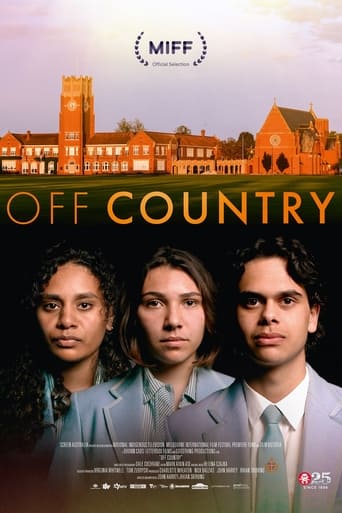
Off Country
2021 · ★ 1
Every year, around 3000 Indigenous students receive scholarships to attend some of Australia’s most prestigious boarding schools. It is an immense opportunity, setting many of the youngsters on a path to a bright future, but it also means they must leave their homes and communities. Over the course of a year, Off Country follows several such students, who, despite hailing from distinct nations and having vastly different circumstances, each share a commitment to doing themselves and their families proud – no matter the difficulties.
More info →
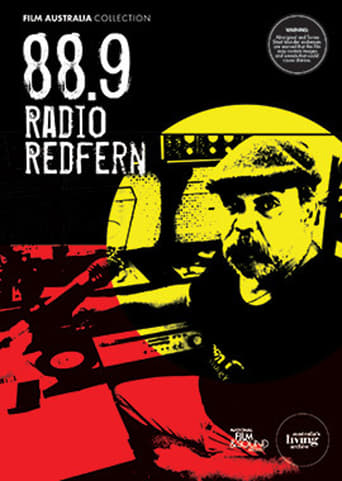
88.9 Radio Redfern
1989 · ★ 5
An observational documentary which looks at Sydney’s first community Aboriginal radio station, 88.9 Radio Redfern. Set against a backdrop of contemporary Aboriginal music, 88.9 Radio Redfern offers a special and rare exploration of the people, attitudes and philosophies behind the lead up to a different type of celebration of Australia’s Bicentennial Year. Throughout 1988, 88.9 Radio Redfern became an important focal point for communication and solidarity within the Aboriginal community. The film reveals how urban blacks are adapting social structures such as the mass media to serve their needs.
More info →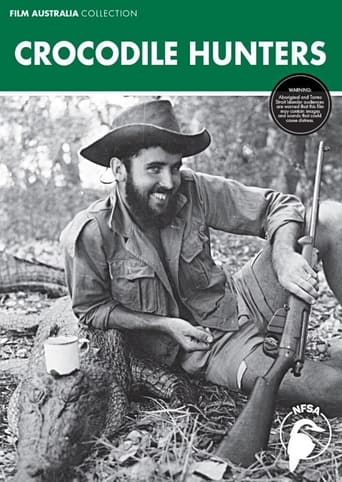
Crocodile Hunters
1949
In the estuaries and lagoons of the Northern Territory, freshwater and saltwater crocodile are hunted for their hides by both Indigenous and non-Indigenous hunters. This film shows Aboriginal people using age-old hunting techniques to land crocs either for food or for skins. The methods employed by the professional hunters, who earn as much as 3000 pounds during the season, are also depicted, followed by a brief look at how the hides are skinned and prepared before being transported to the leather factories of Sydney and Melbourne.
More info →