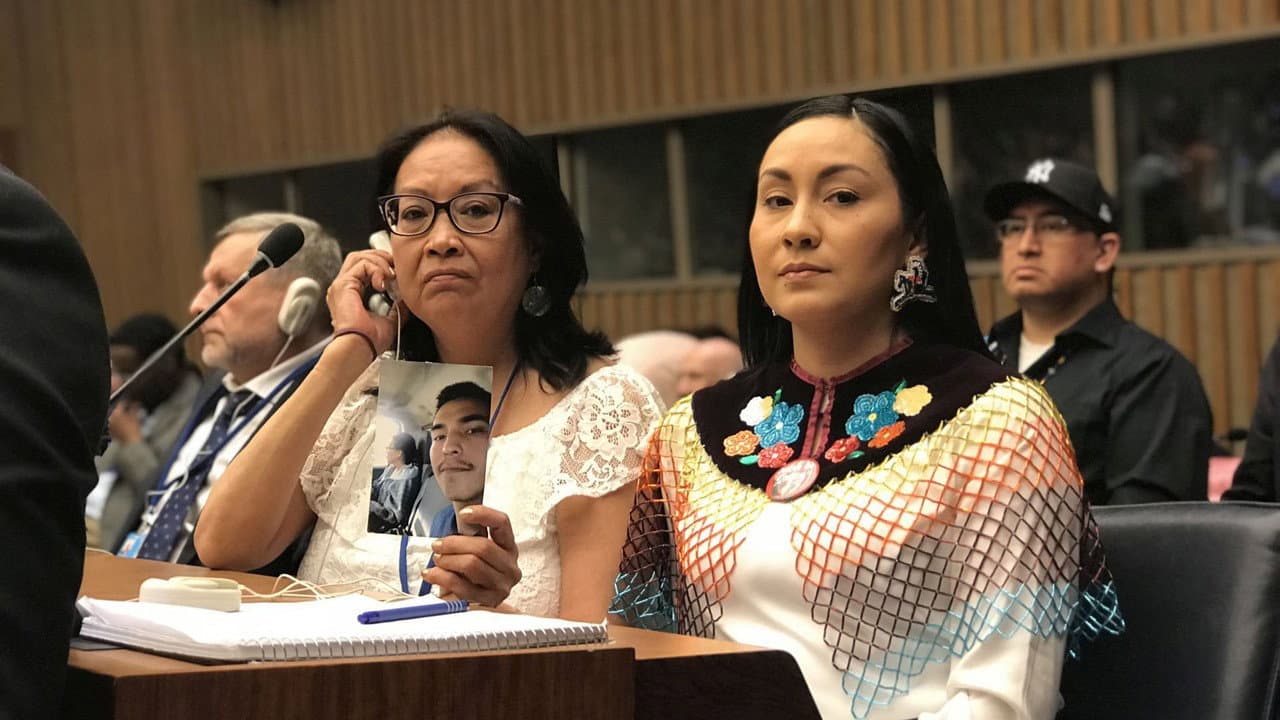
nîpawistamâsowin : We Will Stand Up
★ 8.3 · 2019 · 98m · Documentary
On August 9, 2016, a young Cree man named Colten Boushie died from a gunshot to the back of his head after entering Gerald Stanley's rural property with his friends. The jury's subsequent acquittal of Stanley captured international attention, raising questions about racism embedded within Canada's legal system and propelling Colten's family to national and international stages in their pursuit of justice. Sensitively directed by Tasha Hubbard, "nîpawistamâsowin: We Will Stand Up" weaves a profound narrative encompassing the filmmaker's own adoption, the stark history of colonialism on the Prairies, and a vision of a future where Indigenous children can live safely on their homelands.
More Like This
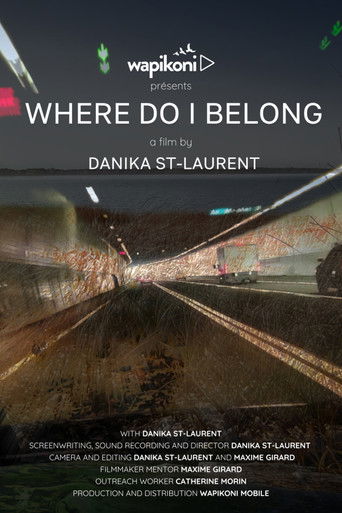
Where do I Belong
2022
In a continuation of her first film We Are Not Speaking the Same Language, Danika explains what it feels like to be displaced Indigenous urban.
More info →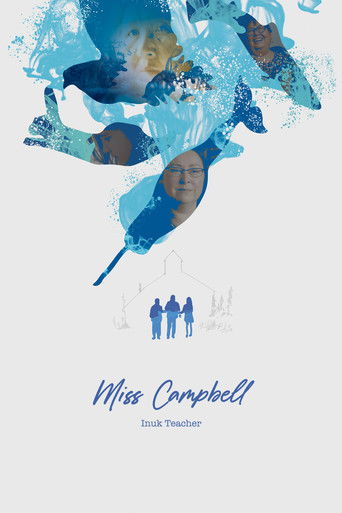
Miss Campbell: Inuk Teacher
2023
Part oral history and part visual poem, Miss Campbell: Inuk Teacher is the story of Evelyn Campbell, a trailblazer for an Inuit-led educational system in the small community of Rigolet, Labrador.
More info →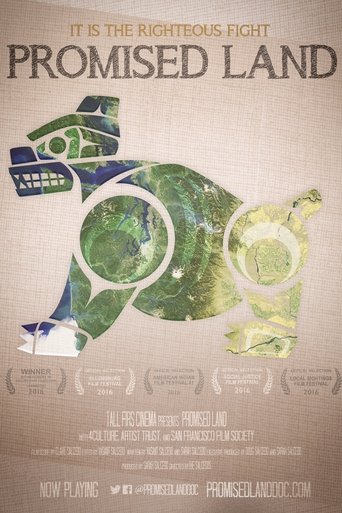
Promised Land
2016
Promised Land is a social justice documentary that follows two tribes in the Pacific Northwest: the Duwamish and the Chinook, as they fight for the restoration of treaty rights they've long been denied. In following their story, the film examines a larger problem in the way that the government and society still looks at tribal sovereignty.
More info →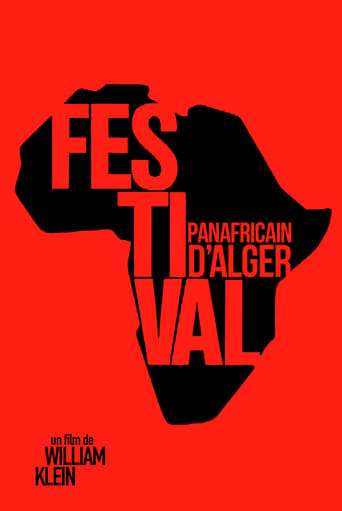
The Pan-african Festival in Algiers
1969 · ★ 6
Festival panafricain d'Alger is a documentary by William Klein of the music and dance festival held 40 years ago in the streets and in venues all across Algiers. Klein follows the preparations, the rehearsals, the concerts… He blends images of interviews made to writers and advocates of the freedom movements with stock images, thus allowing him to touch on such matters as colonialism, neocolonialism, colonial exploitation, the struggles and battles of the revolutionary movements for Independence.
More info →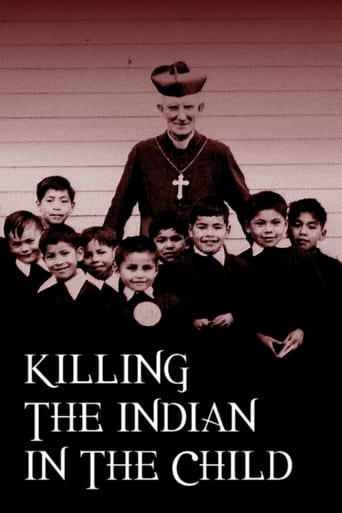
Killing the Indian in the Child
2021 · ★ 6.5
The Indian Act, passed in Canada in 1876, made members of Aboriginal peoples second-class citizens, separated from the white population: nomadic for centuries, they were moved to reservations to control their behavior and resources; and thousands of their youngest members were separated from their families to be Christianized: a cultural genocide that still resonates in Canadian society today.
More info →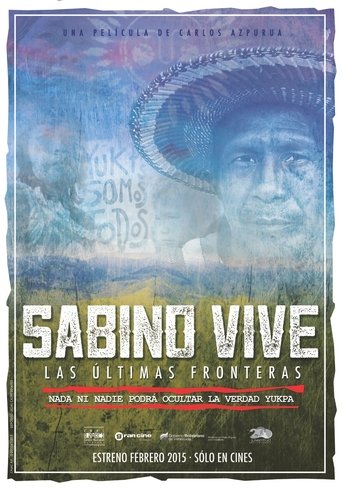
Sabino vive: las últimas fronteras
2015
The documentary recreates the facts in the life of the Yukpa Chief, Sabino Romero, an indigenous fighter killed on March 3, 2013, in the Chaktapa community of the Sierra de Perija in Zulia state, Venezuela. The film reflects the infinite struggle of Sabino and his people, accompanied by the social groups, in this story of truly libertarian images made with blood and fire, revealing the skein of interests that forged and carried out Sabino's murder, and the attitude Inhuman and murderous of those who made it another victim of history.
More info →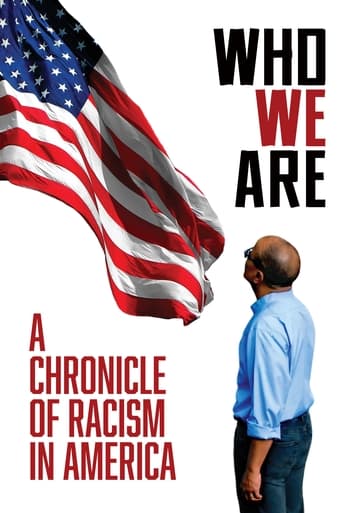
Who We Are: A Chronicle of Racism in America
2022 · ★ 8
Jeffery Robinson's talk on the history of U.S. anti-Black racism, with archival footage and interviews.
More info →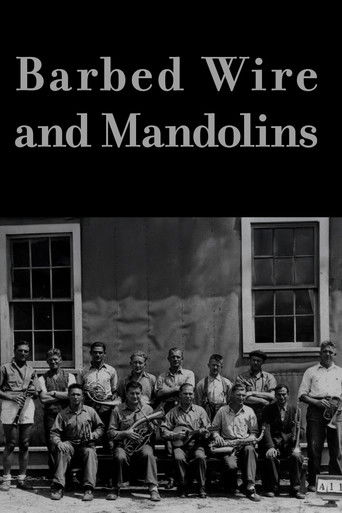
Barbed Wire and Mandolins
1997 · ★ 7
Upon Canada's entry into World War II, the RCMP rounded up thousands of people it considered fascist sympathizers. Among them, 700 Italian-Canadians were held for up to three years in internment camps. None were ever charged with a criminal offence.
More info →
Heat
2018
Too hot! The spawning fish do not come at the right time and the pepper plants end up dying in this heat. "This is a very different weather that not even the spirits can understand." From their gardens, homes, and backyards, the indigenous women of the Amazon involve us in their vast universe of knowledge while they observe the impacts of climate change in their ways of life.
More info →
Beard, Hair & Stache
2016
Afonsinho, Paulo Cézar Caju and Nei Conceição started their careers in the mid-1960s, a time of strong political repression in Brazil. Originally teammates of a celebrated generation of the Botafogo football team superstars, they did not give up their freedom when the military dictatorship decided to take control of the field.
More info →
Algeria, Year Zero
1965 · ★ 10
Documentary on the beginnings of Algerian independence filmed during the summer of 1962 in Algiers. The film was banned in France and Algeria but won the Grand Prize at the Leipzig International Film Festival in 1965. Out of friendship, the production company Images de France sent an operator, Bruno Muel, who later declared: "For those who were called to Algeria (for me, 1956-58), participating in a film on independence was a victory over horror, lies and absurdity. It was also the beginning of my commitment to the cinema."
More info →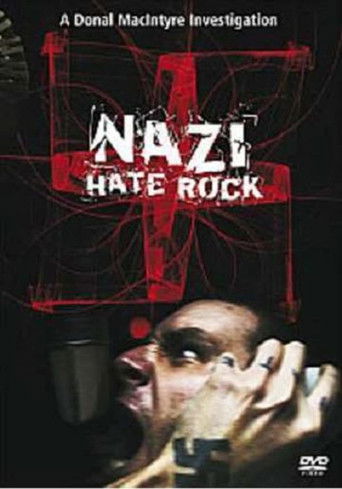
Nazi Hate Rock
2006
Donal MacIntyre investigates the secretive world of white power music and how the money made helps fund far right political organizations in many countries, including the British National Party in the UK. In this documentary, the crew gained access to the men and women behind one of the most disturbing musical movements. It reveals how British neo-Nazis and skinheads plan to launch 'Project School-Yard' in Britain after a similar scheme was tried out in the United States. In the UK, the team follows one of the most infamous British white-power bands, Whitelaw, as they prepare for one of the biggest gigs of their career. The band are filmed on stage, with riot police surrounding the venue, performing as the forces of law and order move in to shut down their hate-filled act. The film also contains shocking images of hate rock concerts in the USA where, thanks to the first amendment protecting freedom of speech, anything goes.
More info →