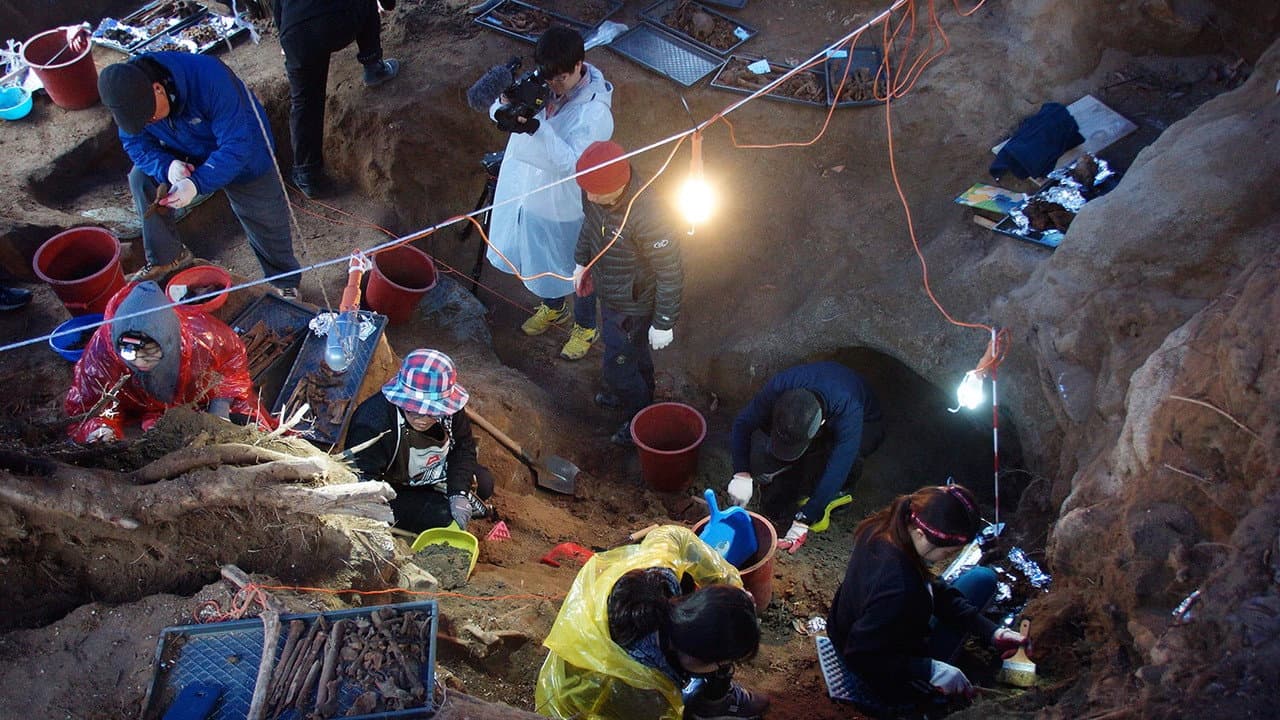
Haewon
2018 · Documentary
According to a survey by the U.S. military government in 1946, 78% of the South Korean people wanted socialism and only 14% capitalism. By appointing the pro-Japanese collaborators and the rightists, Rhee Syngman, who had not received the people's support, massacred those groups and civilians that were political stumbling blocks. In dealing with the Jeju 4.3 uprising in 1947 and the Yeosun incident in 1948 and The Korean War having broken out, massive civilian massacre became regularized.
More Like This
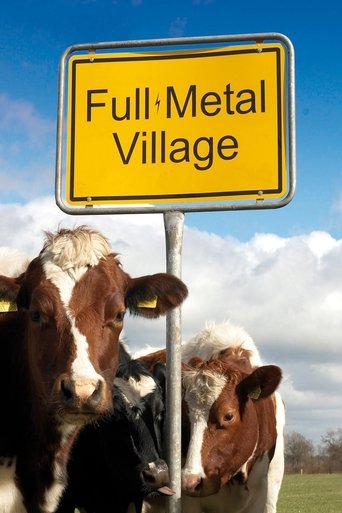
Full Metal Village
2007 · ★ 6.8
The film describes the microcosmos of the small village Wacken and shows the clash of the cultures, before and during the biggest heavy metal festival in Europe.
More info →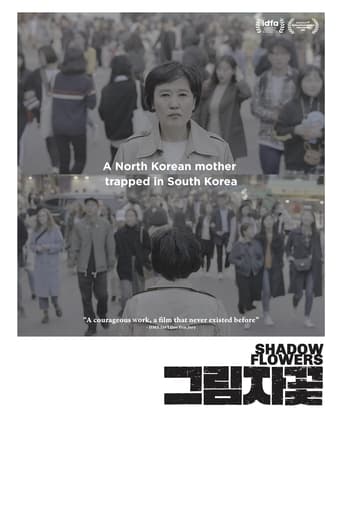
Shadow Flowers
2021
Ryun-hee Kim, a North Korean housewife, was forced to come to South Korea and became its citizen against her will. As her seven years of struggle to go back to her family in North Korea continues, the political absurdity hinders her journey back to her loved ones. The life of her family in the North goes on in emptiness, and she fears that she might become someone, like a shadow, who exists only in the fading memory of her family.
More info →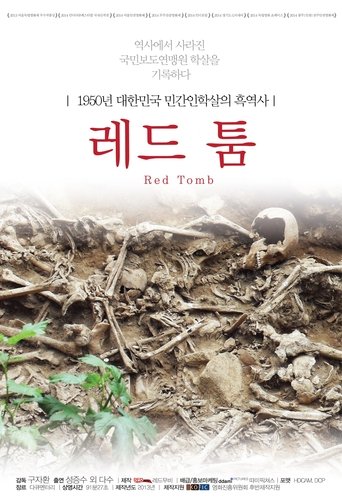

Jeju Prayer
2013
Focusing on Mrs. Kang Sang-hee’s life, she lost her husband in the Jeju Uprising (March 3rd, 1948). The film views the dark-side of Jeju Island, a huge grave, which is completely opposite of the other side of the island, the famous tourist attraction. It says that the tragedy has been going on about the recent Gang-jeong village situation.
More info →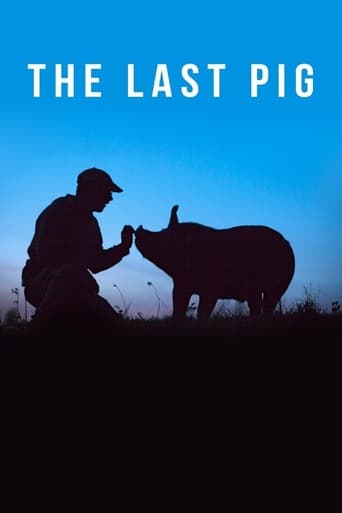
The Last Pig
2017 · ★ 7.2
An intimate reflection on animal treatment, following ethical pig farmer, Bob Comis, as he contemplates his transition out of raising animals for slaughter.
More info →
Family in the Bubble
2018
My parents were real estate developers and dealers in the 1980s. They achieved the ‘middle class dream’ thanks to the development boom. However, the Asian financial crisis swept everything away.
More info →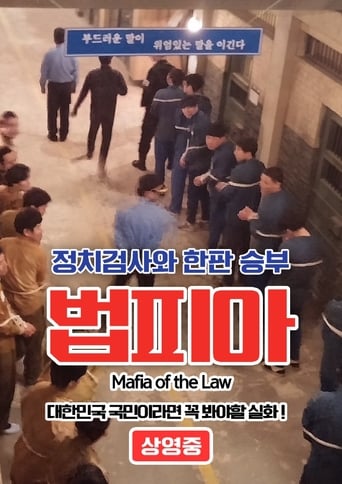
Mafia of the Law
2019
A prisoner of 7 years who was innocently jailed by political prosecutors looks into the case himself, and seeks the punishment of those political prosecutors who shut him away illegally by suing them. However, no one takes him seriously or even investigate the case, let alone charge them as guilty. The prisoner takes matters into his own hands... A true story about the need of the Senior Civil Servant Corruption Investigations Unit! Anything can be done if you know the law! The citizens of Korea are not dogs or pigs! The sovereignty of the people that has been taken away by political prosecutors must be won back! A law-themed and educational true story the citizens of the Republic of Korea must see.
More info →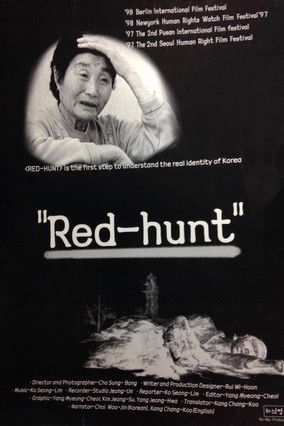
Red-Hunt
1997
70 years ago, a massacre called ‘Red Hunt’ occurred in Jeju island. Over 6 years, countless lives were murdered in the Daranshi cave, Jungbang waterfall, and Ompang field. There was no line between life and death. There were only ideological and political strategies that surrounded Jeju. After 49 years, survivors can finally testify the memories that could not be forgotten.
More info →