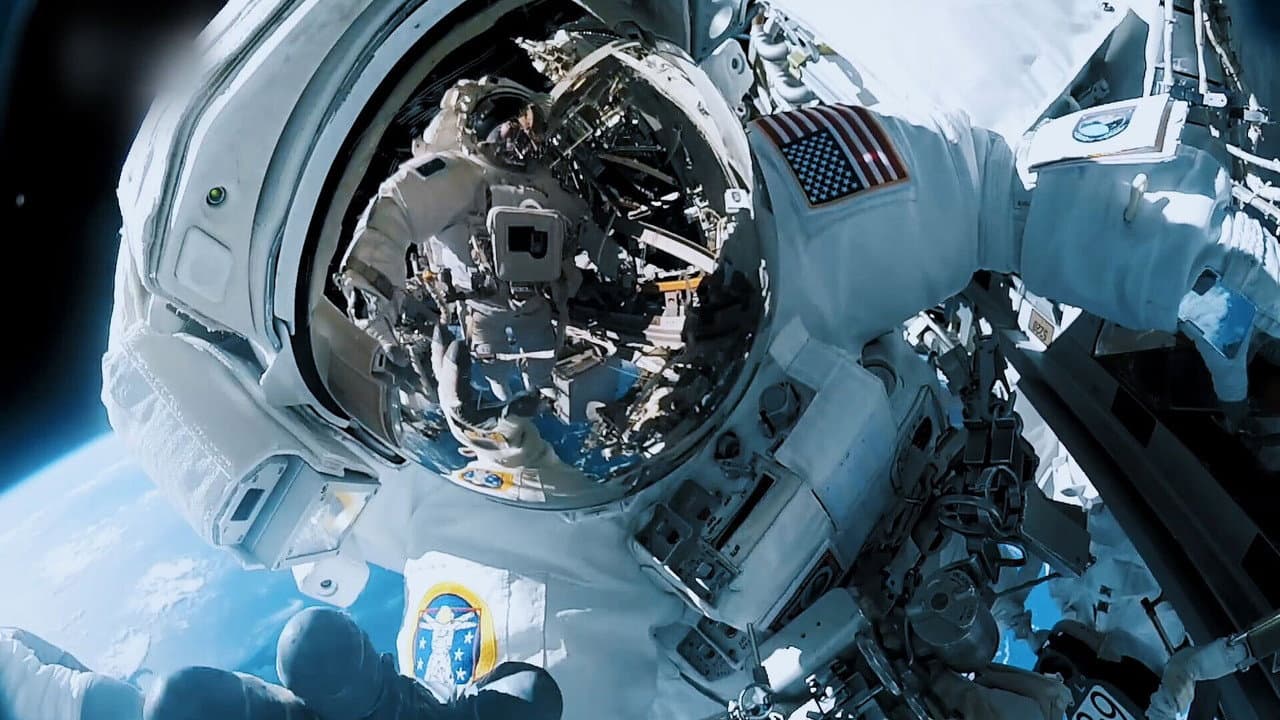
Homo Spatius
★ 6.4 · 2018 · 54m · Documentary · TV Movie
Can Homo sapiens evolve into Homo spatius? For over 50 years now, we have been testing our human nature in our effort to conquer outer space, and still 30 years away from a possible human exploration of Mars, a question remains: Can our body take such travels? Will it ever adapt? Combining human adventure and the exploration of the human body, this film offers unique insights into the physical and psychological effects of space travel on the Astronauts and measures the impact on medical sciences.
More Like This
...und Charlie sagte: Go for Landing!
2019
When Kennedy announced in 1961 that he wanted to take humans to the moon within a decade, Charles M. Duke was skeptical. Almost 11 years later, however, Charles M. Duke was standing on the moon himself. He gave Neil Armstrong the go-ahead for the landing on Apollo 11. Because he contracted rubella, the Apollo 13 crew had to be changed. In 1972, he landed with Apollo 16 and looked down on Earth from the moon himself.
More info →
The Day We Walked on the Moon
2019 · ★ 5.6
On July 16, 1969, hundreds of thousands of spectators and an army of reporters gathered at Cape Kennedy to witness one of the great spectacles of the century: the launch of Apollo 11. Over the next few days, the world watched on with wonder and rapture as humankind prepared for its "one giant leap" onto the moon--and into history. Witness this incredible day, presented through stunning, remastered footage and interviews that takes you behind-the-scenes and inside the spacecraft, Mission Control, and the homes of the astronaut's families.
More info →
The Farthest
2018 · ★ 7.8
The captivating tales of the people and events behind one of humanity's greatest achievements in exploration: NASA's Voyager mission.
More info →
Battlestar Galactica: Blood & Chrome
2012 · ★ 6.8
The first Cylon war has been raging for 10 years and a young Ensign William Adama joins the fleet. Disappointed not to be assigned to a fighter but to a freighter, his co-pilot also isn't too keen on having a rookie flying his aircraft as he has only a short time before he again becomes a civilian. Their cargo is a civilian scientist, but they no sooner leave than she has new orders for them and a new destination. Although she’s less than forthcoming about the details, Adama is keen—particularly as it involves going into Cylon controlled space. However, nothing is as it seems.
More info →
The Wonder of It All
2007 · ★ 6.5
The Wonder of it All focuses on the human side of the men behind the Apollo missions through candid interviews with seven of the Apollo astronauts: Buzz Aldrin, Alan Bean, Edgar Mitchell, John Young, Charles Duke, Eugene Cernan and Harrison Schmitt. They all reflect on the training, the tragedies, the camaraderie, and the effect that their space travel has had on their families.
More info →
How William Shatner Changed the World
2005 · ★ 5.7
William Shatner presents a light-hearted look at how the "Star Trek" TV series have influenced and inspired today's technologies, including: cell phones, medical imaging, computers and software, SETI, MP3 players and iPods, virtual reality, and spaceship propulsion.
More info →
Attack from Space
1965 · ★ 5.1
The superhero Starman is sent by the Emerald Planet to protect Earth from belligerent aliens from the Sapphire Galaxy. The Sapphireans (or "Spherions") kidnap Dr. Yamanaka and force him to use his spaceship against the Earth.
More info →
A Family Upside Down
1978 · ★ 7
An elderly married couple find that as their physical and mental health deteriorates, they find themselves dependent more and more upon their grown children.
More info →
Decoding Neanderthals
2013 · ★ 8
Over 60,000 years ago, the first modern humans left their African homeland and entered Europe, then a bleak and inhospitable continent in the grip of the Ice Age. But when they arrived, they were not alone: the stocky, powerfully built Neanderthals had already been living there for hundreds of thousands of years. So what happened when the first modern humans encountered the Neanderthals? Did they make love or war?
More info →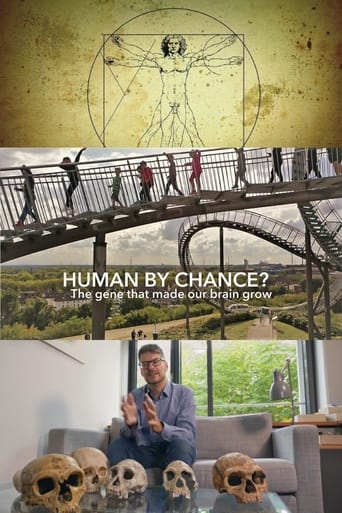
Human By Chance?
2020
If we compare ourselves with our genetically closest living relatives, the chimpanzees, we have few physical advantages. We are far weaker, cannot move nearly as fast, and do not have the same climbing capabilities. Instead, humans excel in areas such as architecture, religion, science, language, writing, art, culture, and ideas. These achievements are due to our larger brain that contain billions of neurons. It was the rapid growth of our brain, originating about 2 million years ago, that allowed us to be the predominant species of the world. What caused this rapid growth of our cerebral cortex? Researchers worldwide have asked this question for many years, but now there finally seems to be an answer.
More info →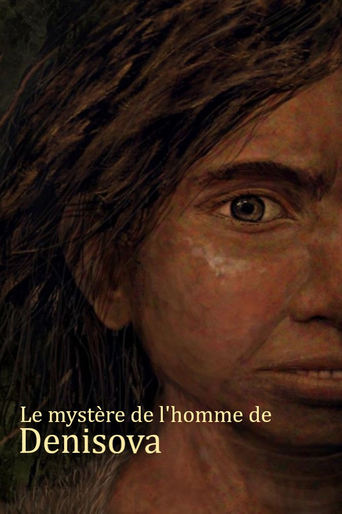
The Ewok Adventure
1984 · ★ 5.9
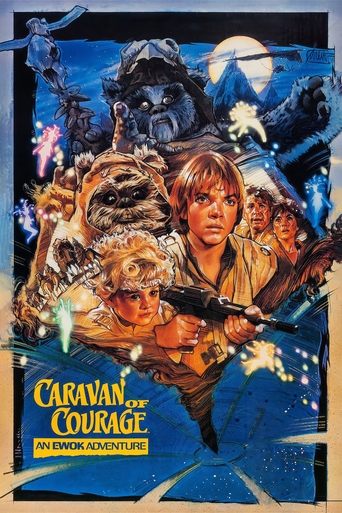
Wicket the Ewok and his friends agree to help two shipwrecked human children, Mace and Cindel, on a quest to find their parents.
More info →