Traces: The Kabul Museum 1988
★ 9 · 2003 · 32m · Documentary · History
The Kabul National Museum, once known as the "face of Afghanistan," was destroyed in 1993. We filmed the most important cultural treasures of the still-intact museum in 1988: ancient Greco-Roman art and antiquitied of Hellenistic civilization, as well as Buddhist sculpture that was said to have mythology--the art of Gandhara, Bamiyan, and Shotorak among them. After the fall of the Democratic Republic of Afghanistan in 1992, some seventy percent of the contents of the museum was destroyed, stolen, or smuggled overseas to Japan and other countries. The movement to return these items is also touched upon. The footage in this video represents that only film documentation of the Kabul Museum ever made.
More Like This
Film for Blind Poet
2012 · ★ 2
Glauco Mattoso, a blind sadomasochistic poet, agrees to participate in a documentary about his own life, but the conditions he imposes raise difficulties to the work of the young director.
More info →
The Art of Fire
1979 · ★ 6
The glass industry, focusing on the master craftsmen of Bohemian crystal.
More info →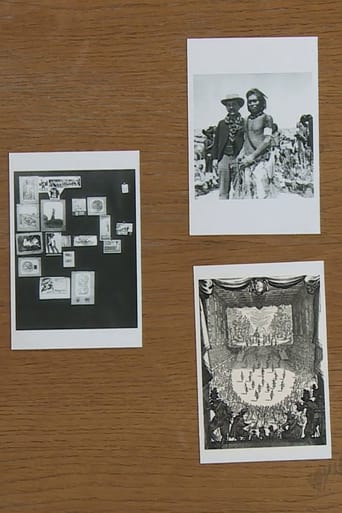
Philippe-Alain Michaud, le réel traversé par la fiction
2016
To be in Venice and see the architecture of New York, to perceive in a painting by Tintoretto the birth of animated images, to look at the burlesque Cretinetti as the ancestor of montage - so many shifts, displacements, and striking telescopings that Philippe-Alain Michaud proposes in this film dedicated to him. To follow this art historian, curator of the cinema collections at the Centre Pompidou, is to go from the oriental carpet to the film, or from the first fireworks to the cinema. And everywhere the animation of the images - projections of Antony McCall, or of Paul Sharits, Column without end of Brancusi, Pasolini's Accatone - everything moves! Under the tutelage of Aby Warburg, the great art historian of the early twentieth century, precursor of iconology and image comparison, to whom Philippe-Alain Michaud was the first in France to devote an important essay, eleven images are placed on the table to describe the singular journey of this art historian.
More info →
Twenty Years After
1944 · ★ 8
This short celebrates the 20th anniversary of MGM. Segments are shown from several early hits, then from a number of 1944 releases.
More info →We're in the Movies, Now!
1939 · ★ 4
Promotion reel/souvenir of a 1939-40 meeting of the Paramount Studios sales people.
More info →
Shutterbug
2024 · ★ 10
Shutterbug follows a troubled teenager named Thomas as he explores his passion for photography. The film portrays Thomas's journey from a confident, even arrogant, young photographer who believes himself to be a prodigy, to a humbled individual who discovers a deeper purpose in his art. This mockumentary reveals Thomas's struggles with self-doubt and his eventual understanding of what truly motivates his art.
More info →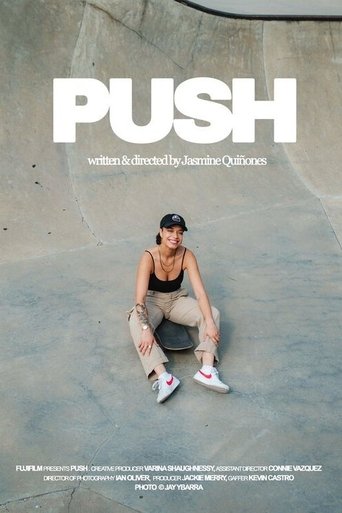
Push
2022
“Push,” is a story of self-discovery, found in the simple joys of skateboarding. This film explores ideas of identity and quickly becomes an anthem for the inner strength that can be found in finding a community.
More info →The Junk King
2012
The Junk King (Vince Hannemann) gives valuable insight regarding his art and the Cathedral of Junk in Austin, TX.
More info →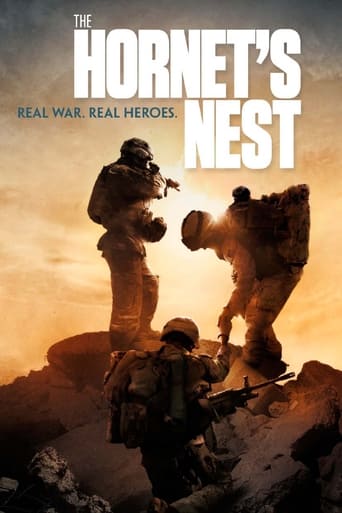
The Hornet's Nest
2014 · ★ 6.2
Armed only with their cameras, Peabody and Emmy Award-winning conflict Journalist Mike Boettcher, and his son, Carlos, provide unprecedented access into the longest war in U.S. history: they are embed with U.S. troops during nine days of intense combat in Afghanistan.
More info →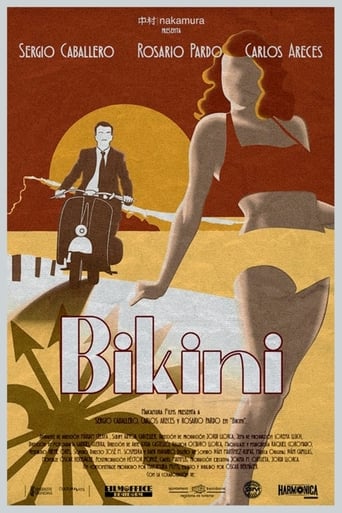
Bikini
2014 · ★ 6.4
Spain, 1953. Pedro Zaragoza, mayor of the city of Benidorm, in the province of Alicante, by the Mediterranean Sea, visits the Palacio del Pardo, General Franco's residence in Madrid, to ask him for help, in the hope of solving a very delicate problem.
More info →