Mosfilm, les chefs-d'oeuvre du cinéma russe
2011 · Documentary
More Like This

Das ist alles
2001 · ★ 8
Portrait of a Russian village near Kaliningrad and its multiethnic inhabitants.
More info →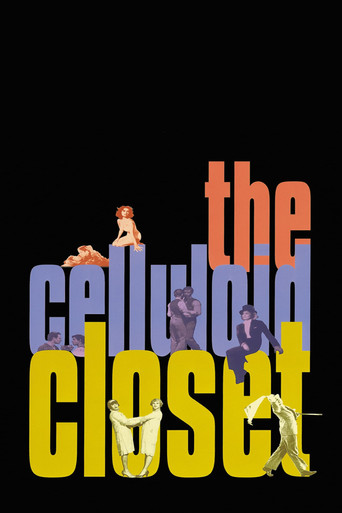
The Celluloid Closet
1996 · ★ 7.3
Exuberant, eye-opening movie that serves up a dazzling hundred-year history of the role of gay men and lesbians have had on the silver screen. Film contains fabulous footage from 120 films showing the changing face of cinema sexuality, from cruel stereotypes to covert love to the activist triumphs of the 1990s.
More info →
We Remember Marilyn
1996 · ★ 8
We Remember Marilyn. Marilyn Monroe transforms from Norma Jean, a cuddly teenager, into the most recognizable face and body in the world in these home movies, photos and film clips which span her early bit parts to her most known roles.
More info →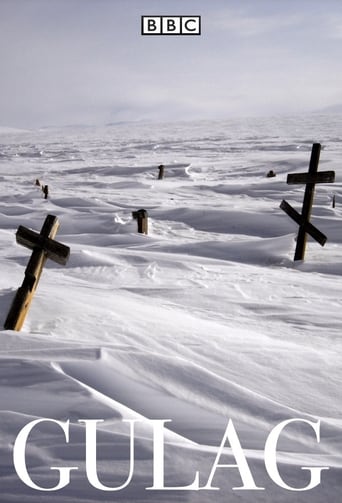
Gulag
1999 · ★ 7
Documentary examining Stalin's Gulag. Between the October Revolution and Stalin's death in 1953, millions of people died in the camps. The film explores the Gulag legacy, hearing from victims and perpetrators of the system.
More info →
Camp Century: The Hidden City Beneath the Ice
2020 · ★ 7.5
How in 1959, during the heat of the Cold War, the government of the United States decided to create a secret military base located in the far north of Greenland: Camp Century, almost a real town with roads and houses, a nuclear plant to provide power and silos to house missiles aimed at the Soviet Union.
More info →
Remember the Alamo
2017
A tribute to the Alamo Drafthouse located in Kalamazoo, Michigan, that was forced to close after three years when its lease was abruptly and unexpectedly terminated by its landlord. Employees and customers reflect on the impact the theater had made on its community in such a short amount of time.
More info →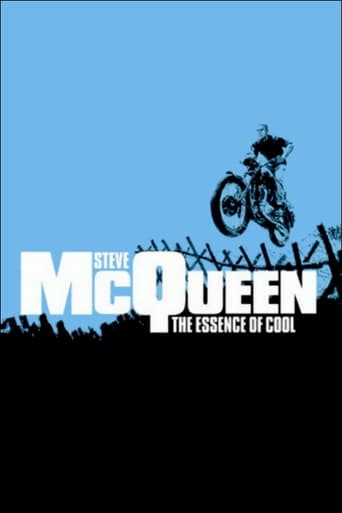
Steve McQueen: The Essence of Cool
2005 · ★ 5.9
Friends, family, co-stars and admirers of actor Steve McQueen talk about his life and his movie career.
More info →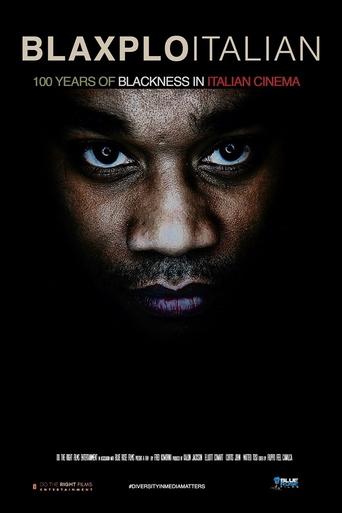
Blaxploitalian: 100 Years of Blackness in Italian Cinema
2016
A documentary that uncovers the careers of a population of entertainers never heard from before: Black actors in Italian cinema. With modern day interviews and archival footage, the documentary discloses the personal struggles and triumphs that classic Afro-Italian, African-American and Afro-descendant actors faced in the Italian film industry, while mirroring their struggles with those of contemporary actors who are working diligently to find respectable, significant, and non-stereotypical roles, but are often unable to do so. Blaxploitalian is more than an unveiling of a troubled history; it is a call-to-action for increased diversity in international cinema through the stories of these artists in an effort to reflect the modern and racially diverse Italy.
More info →
Disney: Through the Looking Glass
2010 · ★ 10
Tito del Amo, a passionate 72-year-old researcher, takes the final step to unravel the enigma about the alleged Spanish origin of the American cartoonist Walt Disney, making the same journey that his supposed mother made to give him up for adoption in Chicago. A journey that begins in Mojácar, Almería, Spain, and ends in New York. An exciting adventure, like Alicia's through the looking glass, to discover what is truth and what is not, with an unexpected result.
More info →
Sexo en el plató
2007 · ★ 5.8
How are the sex scenes filmed? What tricks are used to fake the desire? How do the interpreters prepare and feel? Spanish actors and directors talk about the most intimate side of acting, about the tricks and work methods when narrating exposed sex. In Spain the general rule is that there are no rules. Each film, each interpreter, faces it in very different ways.
More info →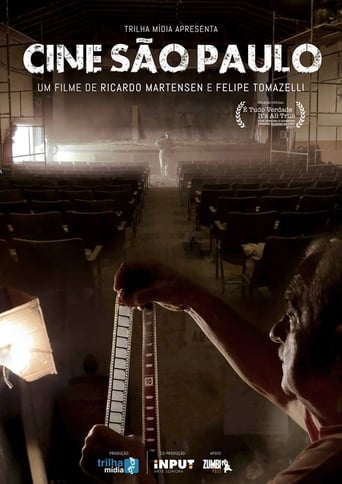
Cine São Paulo
2017 · ★ 5
Chico has dedicated his whole life to CINE SAO PAULO. The building, inherited from his father, is now badly deteriorated. Refurbish it, in order to make the old movie theater get back to work, becomes his great obsession.
More info →Comrades in Dreams
2006 · ★ 7.2
Four lives that could not be more different and a single passion that unites them: the unconditional love for their cinemas, somewhere at the end of the world. Comrades in Dreams brings together six cinema makers from North Korea, America, India and Africa and follows their efforts to make their audiences dream every night.
More info →