The Stolen Body
★ 10 · 1982 · 42m · Documentary
Made for Italian national television, Ellis Donda’s Il Corpo Rubato (The Stolen Body) is an experimental documentary on psychoanalisis in 70s/80s Italy, its analytical practices and forms of suggestion.
More Like This
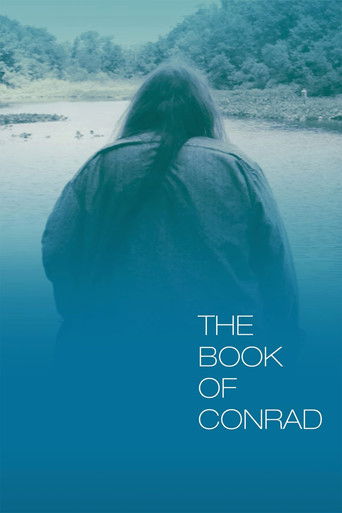
The Book of Conrad
2016
About the poet C.A.Conrad, an eccentric Elvis worshiping poet and tarot card reader, who confronts his violent past and the suspicious death of his boyfriend, Earth. The film attempts to unravel the mystery of Earth's death, while Conrad wrestles with his inner demons through a series of unconventional rituals and a tour of the deep South.
More info →
Invisible Nation
2006 · ★ 7
A documentary about vivid punk and alternative rock scene of Subotica, the northernmost Serbian city, through the periods of communism, tyranny of the 1990s regime, and economic transition at the beginning of XXI century. Seen through the eyes of its witnesses, these musicians and creative artists deliberately refused the imposed way of behavior, hence staying "invisible" to everyday people.
More info →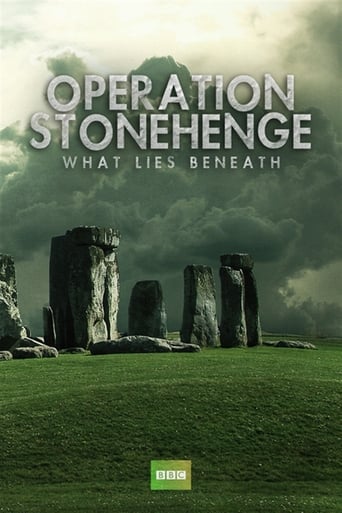
Operation Stonehenge: What Lies Beneath
2014 · ★ 6
Stonehenge is an icon of prehistoric British culture, an enigma that has seduced archaeologists and tourists for centuries. Why is it here? What is its significance? And which forces inspired its creators? Now a group of international archaeologists led by the University of Birmingham and the Ludwig Boltzman Institute in Vienna believe that a new state-of-the-art approach is the key to unlocking Stonehenge's secrets. For four years the team have surveyed and mapped every monument, both visible and invisible, across ten square kilometres of the sacred landscape to create the most complete digital picture of Stonehenge and the surrounding area over millennia. Operation Stonehenge takes the viewer on a prehistoric journey from 8000BC to 2500BC as the scientists uncover the very origins of Stonehenge, learning why this landscape is sacred, preserved and has been revered by following generations.
More info →
World War Two: A Timewatch Guide
2016
Professor Saul David uses the BBC archive to chart the history of the world's most destructive war, by chronicling how the story of the battle has changed. As new information has come to light, and forgotten stories are remembered, the history of World War Two evolves. The BBC has followed that evolution, and this programme examines the most important stories, and how our understanding of them has been re-defined since the war ended over 70 years ago.
More info →
Between Pudukkottai & Singapore
2017
This short documentary features poet N Rengarajan, a migrant worker from Pudukkottai, India who sustains a practice of poetry as a way of life while working in the construction sector in Singapore. The film, structured around three of his poems, seeks to visually mirror the rhythm and tone of his writing. Together, verse and visuals strive to draw attention to the poet's acute illuminations of the realities of migrant life.
More info →The Lost World of the Seventies
2012
Michael Cockerell sheds new light on the tragi-comedy of the 1970s by focusing on some of its most controversial characters. With fresh filming and new interviews, along with a treasure trove of rare archive, the film presents the inside story of giant personalities who make today's public figures look sadly dull in comparison. The well-known journalist revisits some of his films on the big characters who helped shaped the 1970s in Britain. Both tragic and comic, it highlights just how much our world has changed in four decades.
More info →
Visions Cinema: Film as a Way of Life: Hong Kong Cinema - A Report by Tony Rayns
1983
Examines the early 1980s Hong Kong filmmaking community. Tony Rayns interviews some of the new generation of filmmakers and figures from the wider film culture.
More info →
Voices
★ 10
Poets from all walks of life speak their truth through their poetry. A film about poetry by award-winning Gina Nemo, Poet, Writer, Filmmaker, Award-Winning Singer & Actress.
More info →
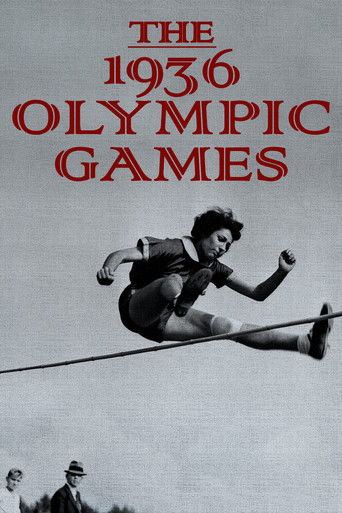
The 1936 Olympic Games
2016
On the 1st August 1936, 100,000 spectators watched as Hitler and the Olympic delegates arrived at the Olympic opening ceremony in Berlin. The Olympic flags hung cheerfully side-by-side banners bearing the Nazi swastika. With the help of specialists and images from Léni Riefenstahl’s 1938 film, ‘Olympia’, we see what really went on behind the scenes and investigate the secret negotiations and compromises made by the International Olympic Committee to bring the Olympics to Berlin.
More info →