Uróboro
★ 10 · 2020 · 9m · Documentary
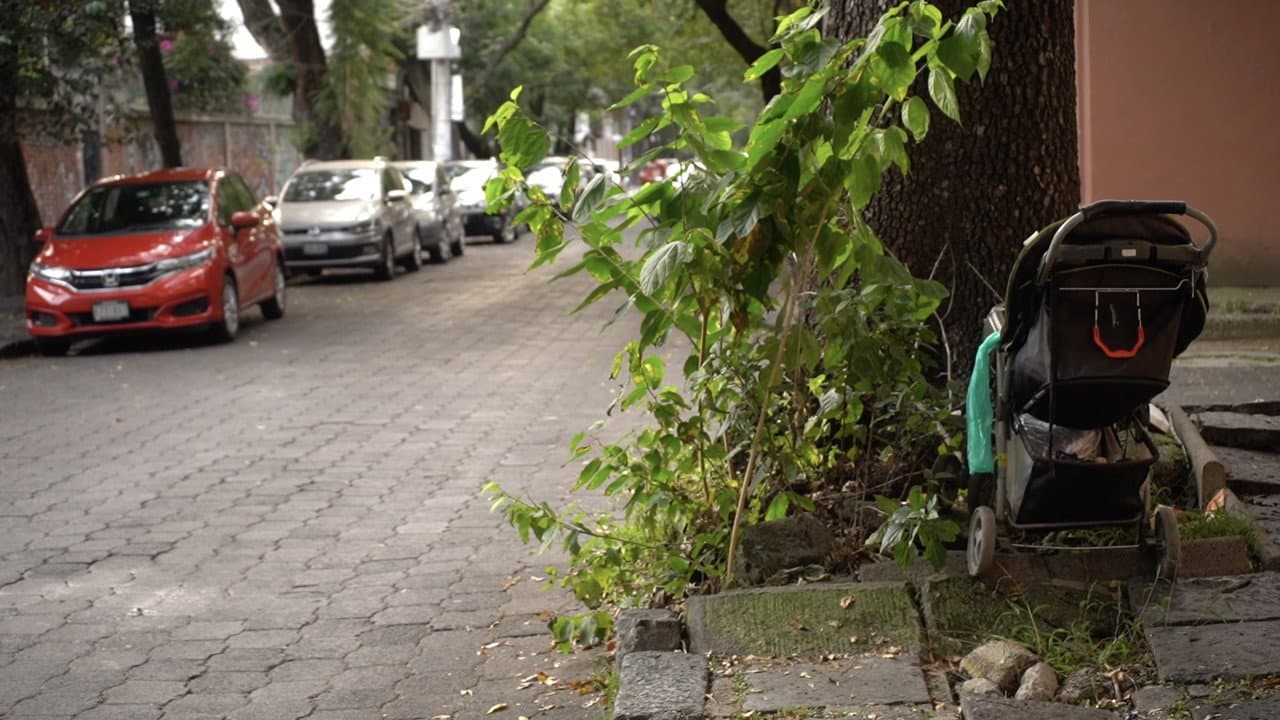
The COVID-19 pandemic scars the citizens of Mexico City.
More Like This
We Want the Airwaves
2022
Hollywood is perhaps the most elusive animal. "We Want the Airwaves" follows three first time TV makers who set out on the ultimate adventure: to change television as we know it. The trio creates, films and pitches their advocacy docuseries masterpiece, "Manifesto!" all over the world, with the goal of giving a broadcast voice to a generation.
More info →
The First Wave
2021 · ★ 6.6
When Covid-19 hit New York City in 2020, filmmaker Matthew Heineman gained unique access to one of New York’s hardest-hit hospital systems. The resulting film focuses on the doctors, nurses, and patients on the frontlines during the “first wave” from March to June 2020. Their distinct storylines each serve as a microcosm to understand how the city persevered through the worst pandemic in a century
More info →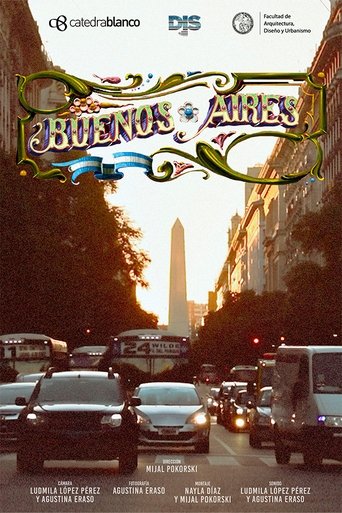
Buenos Aires
This is a short documentary about the old City of Buenos Aires and the new one. It’s an observational piece where the old photos of the same places invite us to live in the old Buenos Aires for a few minutes.
More info →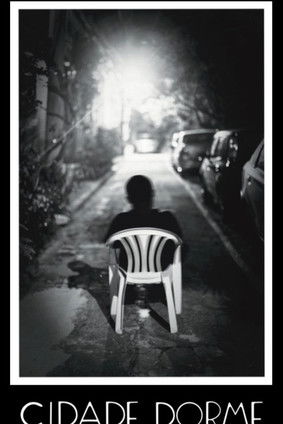
Cidade Dorme
2023 · ★ 10
Night falls and the noisy and chaotic population of the city of Rio de Janeiro goes to their homes, preparing for a new day. But while most people sleep, how does the city function? Early morning seems, to unaccustomed eyes, something lonely and even scary. What is life like, then, for those who work and live while the city sleeps?
More info →
The Pan-African Festival in Algiers
1969 · ★ 6
Festival panafricain d'Alger is a documentary by William Klein of the music and dance festival held 40 years ago in the streets and in venues all across Algiers. Klein follows the preparations, the rehearsals, the concerts… He blends images of interviews made to writers and advocates of the freedom movements with stock images, thus allowing him to touch on such matters as colonialism, neocolonialism, colonial exploitation, the struggles and battles of the revolutionary movements for Independence.
More info →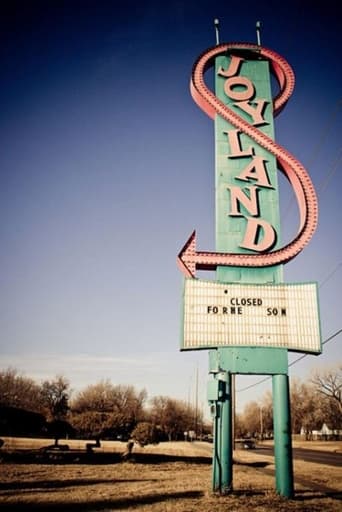
Joyland: Reliving the Memories
2019
If you grew up in Wichita, Joyland was an important part of your childhood. This documentary tells the epic story of the rise and fall of Wichita’s most famous amusement park, Joyland. Viewers will see historic, never-before-broadcast film clips of the park in its heyday. And learn the story behind the story of this once-great destination that helped define childhood for generations of Kansans. You’re sure to experience a roller coaster of emotions as you watch this dramatic, fun, and heartfelt ode to one of the most-fondly remembered places in Wichita history.
More info →
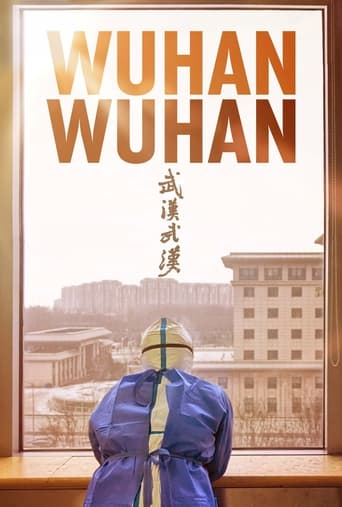
Wuhan Wuhan
2021 · ★ 6
In a time when the world needs greater cross-cultural understanding, WUHAN WUHAN is an invaluable depiction of a metropolis joining together to overcome a crisis.
More info →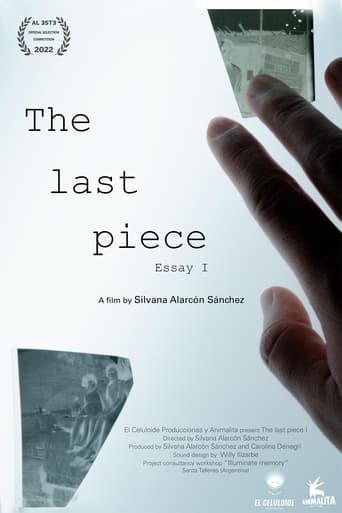
The Last Piece: Essay I
2022 · ★ 8
Disrupt, reject, destroy, avoid: At the interrupted rhythm of the broken photographs that a granddaughter has rescued from her grandfather’s hands, the last piece reconstructs the memory of an older man who has decided to leave behind his life impulses to surrender to sleep and calm. An essay on the act of joining our memories, the illusion of remembering and the freedom to forget.
More info →
Kaffee - Geheimnisse eines Wundertranks
2021 · ★ 8
Coffee is the second most important commodity in the world after oil. The drink has a long history and what's more, its effect seems to be stimulating in two senses.
More info →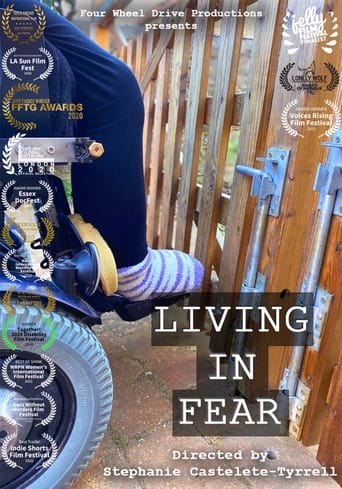
Living in Fear
Filmed and edited entirely in isolation, Living in Fear is an educational and inspiring documentary directed by myself, Stephanie Castelete-Tyrrell, a disabled filmmaker as I capture the fears and struggles disabled people faced before the government implemented the lockdown on the 23rd March 2020. Thousands of people with disabilities were left in the dark and had to make the call weeks before to lockdown as it was inevitable that we would die if we caught the virus. Food was impossible to access because we couldn't go out or get delivery slots, and even if we did panic buyers made it impossible to get the items we desperately needed. We were truly isolated, unable to have family and friends visit. Having carers coming in and out of the house was risky and many disabled people felt that having basic care was putting their lives at risk.
More info →