A Wife Among Wives
★ 6 · 1981 · 72m · Documentary
David and Judith MacDougall are exploring the marriage rituals and roles of Turkana women in this ethnographic documentary. The film's biggest part is taken up by talks between the Turkana people. As one of the first ethnographic documentaries "A Wife Among Wives" subtitles these talks so that the viewer can get a better and probably more personal understanding of the life of the Turkana.
More Like This
Islam Unveiled
2004 · ★ 10
Challenging the Western view that Islam inherently represses women’s rights, journalist Samira Ahmed travels across the world examining Islamic customs as they relate to women. In this two-part series, Ahmed explores whether current Islamic customs such as polygamy, honor killings, and requiring women to wear the hijāb (veil) are actually rooted in the Quran.
More info →Yes-Ja! The Kwaito Documentary
2011
A musical trip through southern Africa to the tunes of the post-apartheid generation. Kwaito music originated in the 1950's in the dusty streets of South Africa's townships such as Sophiatown, Pimville and subsequently in Soweto. It is inseparable from the Pantsuela culture of the rebellious youth gangs during the Apartheid regime. Since there was no money for musical instruments or for extravagant costumes, they concentrated on their dancing and singing skills and, turning the streets into their stage. Currently almost fifty years later - Kwaito culture is experiencing a renaissance in a manner completely inconceivable in those days.
More info →The Turn
2016
'Mod' is an attempt by the filmmaker at communicating with the young men who hang out at the ‘notorious’ water tank in her neighbourhood in Pratap Vihar, Ghaziabad. The water tank is a space that is frequented by the so-called ‘no-gooders’ of the locality, a place where they play cricket, play cards, drink and smoke up. When she enters the space with her camera, the boys are curious and at the same time wary of it and her. They sometimes resist, sometimes protest, and at times, open up. As the film unfolds we get a hint of the lives the boys lead and the fragile world they create for themselves at the water tank.
More info →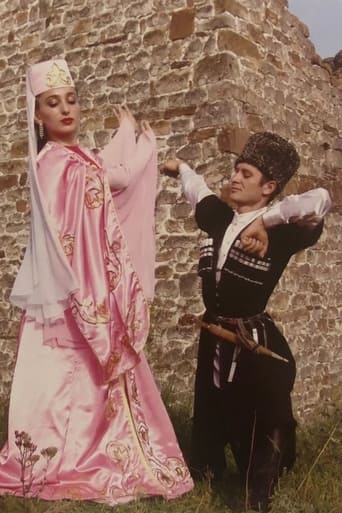
Melodies of the mountains
2006
Film about the singing and dancing culture of the Ingush people
More info →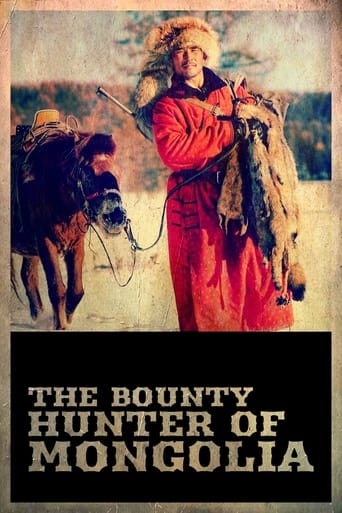
The Bounty Hunter of Mongolia
2021 · ★ 8
In the Darhat valley in northern Mongolia, the horses of nomadic tribes are stolen by bandits who then sell them to Russian slaughterhouses. Shukhert, a brave horseman, relentlessly pursues them through the Mongolian taiga, bordering Siberia.
More info →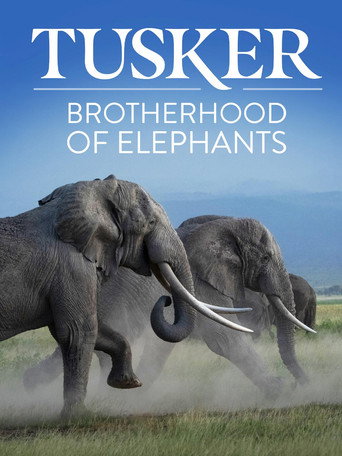
Tusker: Brotherhood of Elephants
2026 · ★ 6
Against the backdrop of Mount Kilimanjaro, meet the majestic "super tuskers": male elephants that carry the wisdom of generations, whose tusks each weigh at least 100 pounds. Follow tuskers at different stages of life as they navigate the trials, transformations, and experiences that come with age and a shifting landscape.
More info →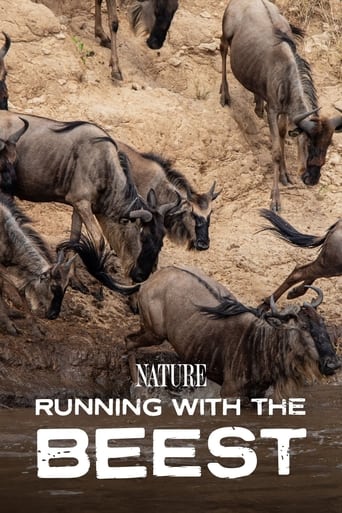
The Fabulous South Seas
1960 · ★ 7
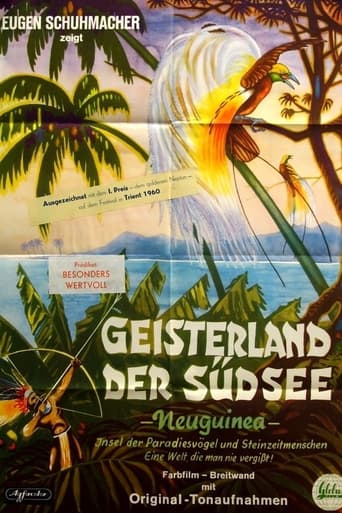
The island of New Guinea is the setting for this film, which focuses on the landscape, the life of the Papuans and their ritual festivals and spirit dances. The colorful birds of paradise are the pride of the islanders. Among the more than 40 species, the smallest, the "Little King" with blood-red plumage, can also be found on the island.
More info →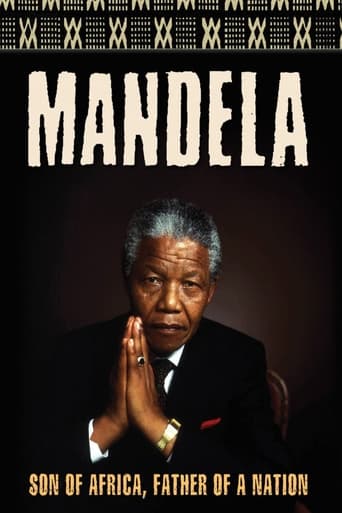
Mandela
1996 · ★ 6.3
A documentary that chronicles the life of South African leader Nelson Mandela. Mandela is probably best known for his 27 years of imprisonment, and for bringing an end to apartheid. But this film also sheds light on the little-known early period of Mandela's life.
More info →Mangbetu
1954 · ★ 9
An ethnographic documentary about the Mangbetu tribe of the Belgian Congo (now the Democratic Republic of the Congo). The film features a discussion of various rites including the Mangbetu practice of head binding, as well as various examples of traditional music and dance.
More info →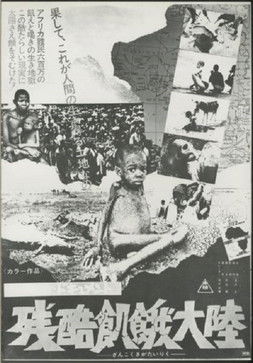
Cruel Famine Continent
1973
Cruel Famine Continent documents the Great Sahelian drought in West Africa and its effect on the people. The production was an attempt to pivot Toei's output from yakuza films and Toei Porn towards "global issues" and "whatever makes money", as stated by then-Toei president Shigeru Okada. Theatrical proceeds were to be shared as relief funds through the Japanese Red Cross, though the box office returns are unknown. Footage shot for the documentary by Yoshimitsu Banno would later be reused in the 1974 Toho production Prophecies of Nostradamus.
More info →