Envoy: Shark Cull
★ 7.3 · 2021 · 90m · Documentary
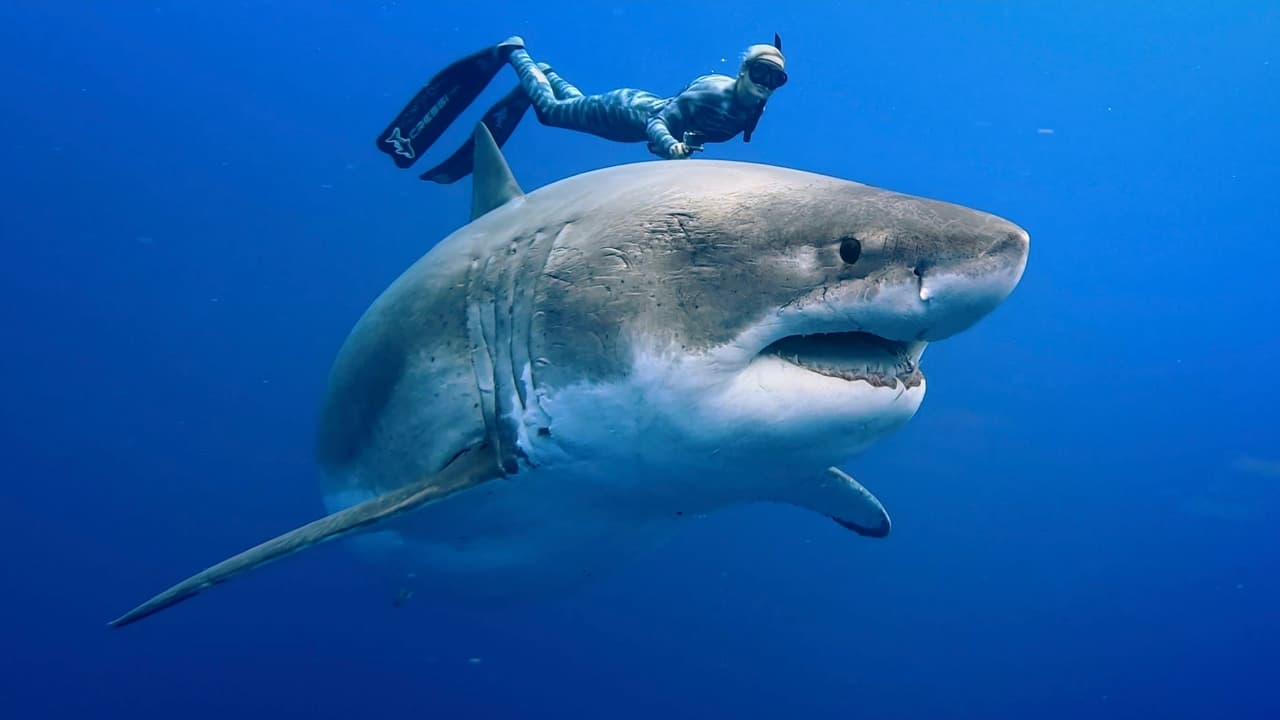
Envoy: Shark Cull is a fascinating, deeply moving documentary narrated by Eric Bana, which sheds light on the real story behind the coastal ‘shark safety’ programs in Queensland and New South Wales. The current methods of baited drum-lines and nets have not only been scientifically proven to be ineffective in protecting swimmers and surfers, leaving them at risk in the sea, but these outdated solutions continue to be allowed to negatively impact entire marine ecosystems—including the Great Barrier Reef. Follows some of the biggest names in ocean conservation, such as Sea Shepherd, Ocean Ramsey and Madison Stewart. We will join these experts as they explore and expose this scarcely understood topic. We will also learn the importance of sharks in our oceans while uncovering the longest marine cull in history.
More Like This
Search for the Great Sharks
1992 · ★ 6.1
A journey into the land of sharks. The old myth of swimming killing machines is put against the true nature of those rather peaceful hunters, whose evolution ended in biological perfection millions of years ago. We accompany expeditions of Dr. Eugenie Clark and Rodney Fox, who have studied sharks since the 1950's.
More info →
Mega Predators of Oz
2021
In Australia, sharks have recently been recorded with unusual prey-including other sharks. In order to figure out what has caused this shift in diet, Dr. Charlie Huvaneers and team head to shark infested waters to find out what's in the stomach of a great white - and why.
More info →
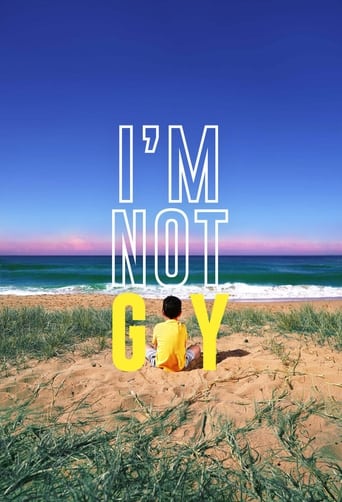
I'm Not Gay
2023
A conflicted gay man struggles to teach his younger self about the challenges of adult life. Searching for answers inside stories from his past, he must confront his nature and the man he will become. Documentary meets musical feature in this experimental coming of age drama about power and masculinity in modern day Australia.
More info →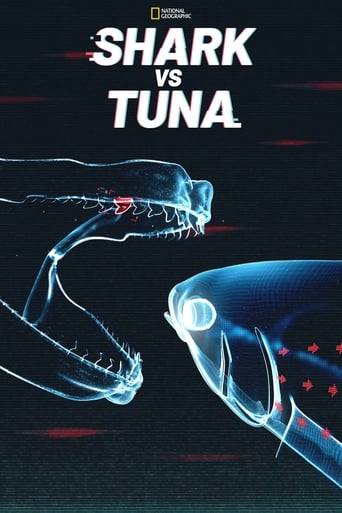
Shark vs. Tuna
2018
A clash of true oceanic titans sees fights in the remote battlefields of Ascension Island. Tuna are often faster, fitter and bigger than the sharks.
More info →
Descent Into the Maelstrom: The Untold Story of Radio Birdman
2017 · ★ 6
Documentary that chronicles the career of the legendary Australian punk band Radio Birdman.
More info →
Dangerous Lies: Unmasking Belle Gibson
2025
The real story of wellness campaigner Belle Gibson's massive worldwide fraud and the famous interview that brought the con artist down.
More info →
Thanks Girls and Goodbye
1988
Documentary using archival footage, newsreels and contemporary interviews with women of the WW2 Australian Women's Land Army.
More info →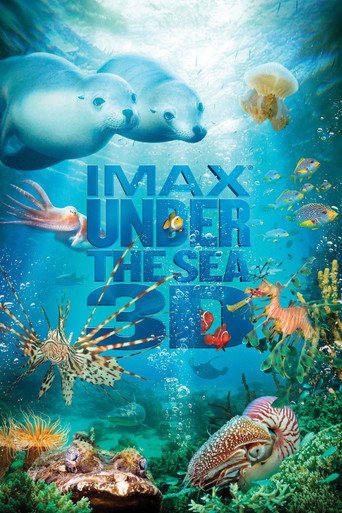
Under the Sea 3D
2009 · ★ 7
Imagine a world of incredible color and beauty. Of crabs wearing jellyfish for hats. Of fish disguised as frogs, stones and shag carpets. Of a kaleidoscope of life dancing and weaving, floating and darting in an underwater wonderland. Now, go explore it! Howard Hall and his filmmaking team, who brought you Deep Sea and Into the Deep, take you into tropical waters alive with adventure: the Great Barrier Reef and other South Pacific realms. Narrated by Jim Carrey and featuring astonishing camerawork, this amazing film brings you face to fin with Nature's marvels, from the terrible grandeur (and terrible teeth) of a Great White to the comic antics of a lovestruck cuttlefish. Excitement and fun run deep Under the Sea!
More info →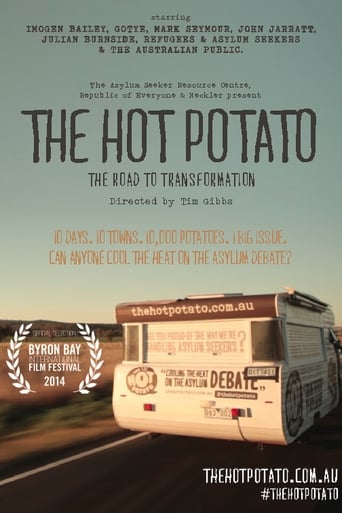
The Hot Potato: The Road to Transformation
2013
To cool the heat on the asylum debate - the biggest 'hot potato' in Australian politics, we took a hot potato food van around the country in the lead up to the 2013 Federal Election. The mission? To see what Australia really thinks asylum seekers. This is an account of this journey.
More info →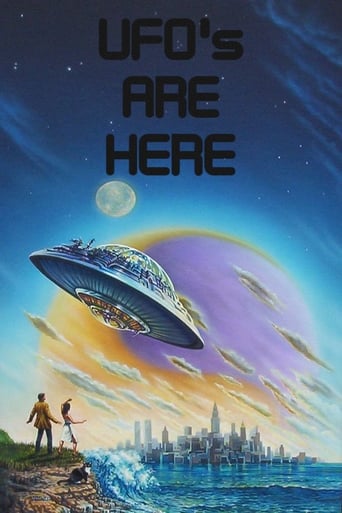
UFO's Are Here!
1977
Australian-made film with Steven Spielberg, Stan Deyo, Stanton Friedman, Dr. Alan Hynek, Jacques Vallee, Ken Arnold, Betty Hill and Ray Palmer (publisher of the Shaver Mystery). This rare TV documentary gave birth to The Cosmic Conspiracy and contains clips of the first episode of Star Wars and Jaws.
More info →