Elena
2021 · 32m · Documentary · History
In 1937, tens of thousands of Haitians and Dominicans of Haitian descent were exterminated by the Dominican army, on the basis of anti-black racism. Fast-forward to 2013, the Dominican Republic's Supreme Court stripped the citizenship of anyone with Haitian parents, retroactive to 1929, rendering more than 200,000 people stateless. Elena, the young protagonist of the film, and her family stand to lose their legal residency in the Dominican Republic if they don't manage to get their documents in time. Negotiating a mountain of opaque bureaucratic processes and a racist, hostile society around, Elena becomes the face of the struggle to remain in a country built on the labor of her father and forefathers.
More Like This

Kite Zo A: Leave the Bones
2022
In 1791, in Haiti, Dutty Boukman presided over a Vodou ritual in Bois-Caïman that led to the creation of the first Black republic. Since then, rituals of transformation and artistic expression have been at the core of a thriving culture as the country faces oppression, poverty, and natural disasters. "Kite Zo A” (Leave the Bones) is a sensorial film about rituals in Haiti, from ancient to modern, made in collaboration with poets, dancers, musicians, fishermen, daredevil rollerbladers, and Vodou priests, set to poetry by Haitian author Wood-Jerry Gabriel.
More info →
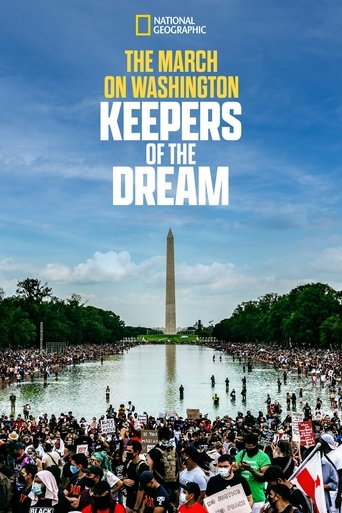
The March on Washington - Keepers of the Dream
2021 · ★ 7
On the 57th anniversary of Martin Luther King Jr.'s "I Have a Dream" speech, activists joined at the Lincoln Memorial for the 2020 March on Washington event.
More info →
This Much We Know
2023
While investigating the suicide of Las Vegas Teenager Levi Presley, a filmmaker uncovers a story of a city with the highest suicide rate in the country, and a nation scrambling to bury decades of nuclear excess in a nearby mountain.
More info →

Retirement Home
2017 · ★ 10
A group of elders spends their weekdays in a retirement home in Sandim, in the north of Portugal, where they talk, do arts and crafts, practice yoga and pray. We follow them between October 2012 and March 2013, when an economic crisis overshadowed Portuguese society and unemployment rates reached record levels. Meanwhile, arrangements are made for the Carnival ball. Will they bring the first place home this time?
More info →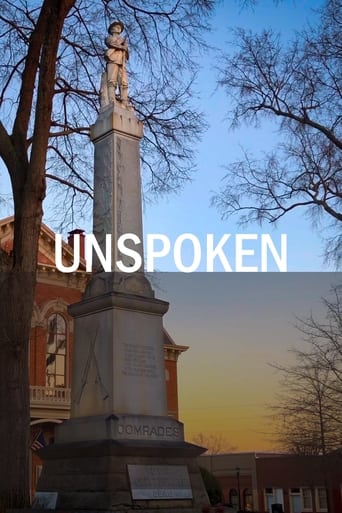
UNSPOKEN
2022
An intimate insider’s journey to uncover buried truths and explore how the community in Monroe, Georgia has been impacted by the 1946 quadruple lynching and decades of racial injustice, shattering a code of silence that has distanced neighbor from neighbor for generations.
More info →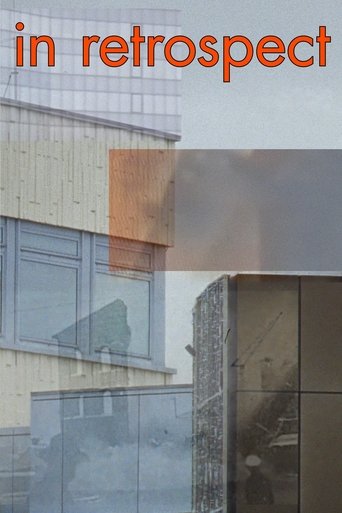
In retrospect
2025 · ★ 4
Immigrant workers build a shopping mall for the upcoming 1972 Olympic Games in Munich. In 2016, nine people with migrant backgrounds are killed in a racist attack at the same mall.
More info →

Obaida
2019
OBAIDA, a short film by Matthew Cassel, explores a Palestinian child’s experience of Israeli military arrest. Each year, some 700 Palestinian children undergo military detention in a system where ill-treatment is widespread and institutionalized. For these young detainees, few rights are guaranteed, even on paper. After release, the experience of detention continues to shape and mark former child prisoners’ path forward.
More info →
How to Build a House out of Wreckage and Rags
2022
Found footage: California in the 1950's and 60's. A young Indian couple enjoys their personal American dream come true in their home somewhere in the suburbs of San Francisco. In great detail they pose with their newly achieved wealth in front of their Super-8 camera. Just like postcards, they would send these film rolls to their joint families back in India. Around the same time, an American missionary couple visits the city of Calcutta to shoot a Christian propaganda film. The drastic reality with poverty and famine in the streets of the Indian metropolis fits perfectly into their wicked plan: To promote the faith in Jesus by showing the misery that pagan believers are doomed to suffer from.
More info →
Another Body
2023 · ★ 6.8
A college student searches for justice after she discovers deepfake pornography of herself circulating online.
More info →