Gardens of the Orient
1936 · 10m · Documentary
This portait of life on the tea plantations is decidedly rosy – clearly, there are no exploited workers here. However, the film provides an intriguing overview of tea production – from the planting of tea seeds to the final shipping of the precious leaves across the globe.
More Like This
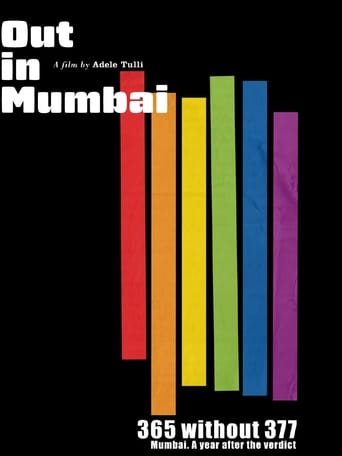
365 Without 377
2011
Imposed under the British colonial rule in 1860, Section 377 of the Indian Penal Code criminalise any sexual acts between consenting adults of the same sex, stigmatising them as 'against the order of nature'. On July 2, 2009 the Delhi High Court passed a landmark judgment scrapping this clause, thus fulfilling the most basic demand of the Indian LGBTQ community, which had been fighting this law for the past 10 years. Three characters, Beena, Pallav and Abheena travel through the city of Bombay heading to the celebrations for the first anniversary of the historic verdict. '365 without 377' is the story of their journey towards freedom.
More info →
Colours By Numbers: The Sudokumentary
2009
Australia's first national sudoku team The Numbats - four ex-rugby mates - travel into the unknown of competitive puzzling as they enter the World Sudoku Championships in Goa, India.
More info →Stroje na vesnici
1950
A picture promoting collective farming and the use of tractors in agriculture. It introduces the work of the state tractor station in Chlumec - from the development of a uniform deployment plan to the departure of tractor drivers for specified tasks.
More info →Gurukulam
2013
Every individual confronts fundamental questions about the nature of reality, self-identity, and elusive happiness, yet few make these their life goal. An international group of students have traveled to a monastery in a remote area of southern India with the single purpose of discovering these answers. GURUKULAM is a journey into their lives, a wisdom tradition, and the contemplative space in which it is carried.
More info →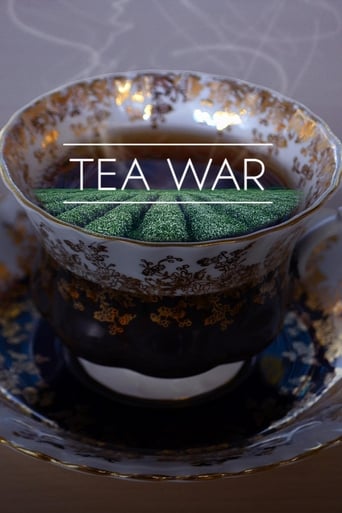
Tea War: The Adventures of Robert Fortune
2016
In the 19th century, China held the monopoly on tea, which was dear and fashionable in the West, and the British Empire exchanged poppies, produced in its Indian colonies and transformed into opium, for Chinese tea. Inundated by the drugs, China was forced to open up its market, and the British consolidated their commercial dominance. In 1839, the Middle Empire introduced prohibition. The Opium War was declared… Great Britain emerged as the winner, but the warning was heeded: it could no longer depend on Chinese tea. The only alternative possible was to produce its own tea. The East India Company therefore entrusted one man with finding the secrets of the precious beverage. His mission was to develop the first plantations in Britain’s Indian colonies. This latter-day James Bond was called Robert Fortune – a botanist. After overcoming innumerable ordeals in the heart of imperial China, he brought back the plants and techniques that gave rise to Darjeeling tea.
More info →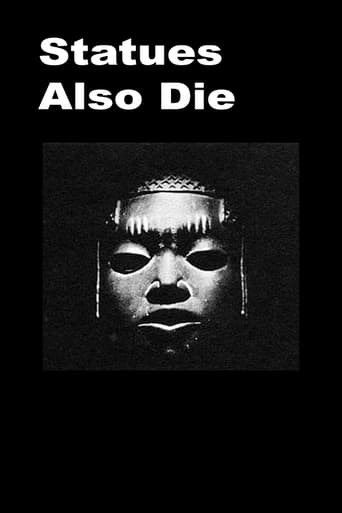
Statues Also Die
1953 · ★ 6.9
Commissioned by the journal Présence Africaine, this short documentary examines how African art is devalued and alienated through colonial and museum contexts. Beginning with the question of why African works are confined to ethnographic displays while Greek or Egyptian art is celebrated, the film became a landmark of anti-colonial cinema and was banned in France for eight years.
More info →
Kolkata with Sue Perkins
2015 · ★ 6
Sue Perkins immerses herself in the complex life of Kolkata and sees how it is reinventing itself as a megacity with a reputation for eccentricity, culture and tolerance.
More info →