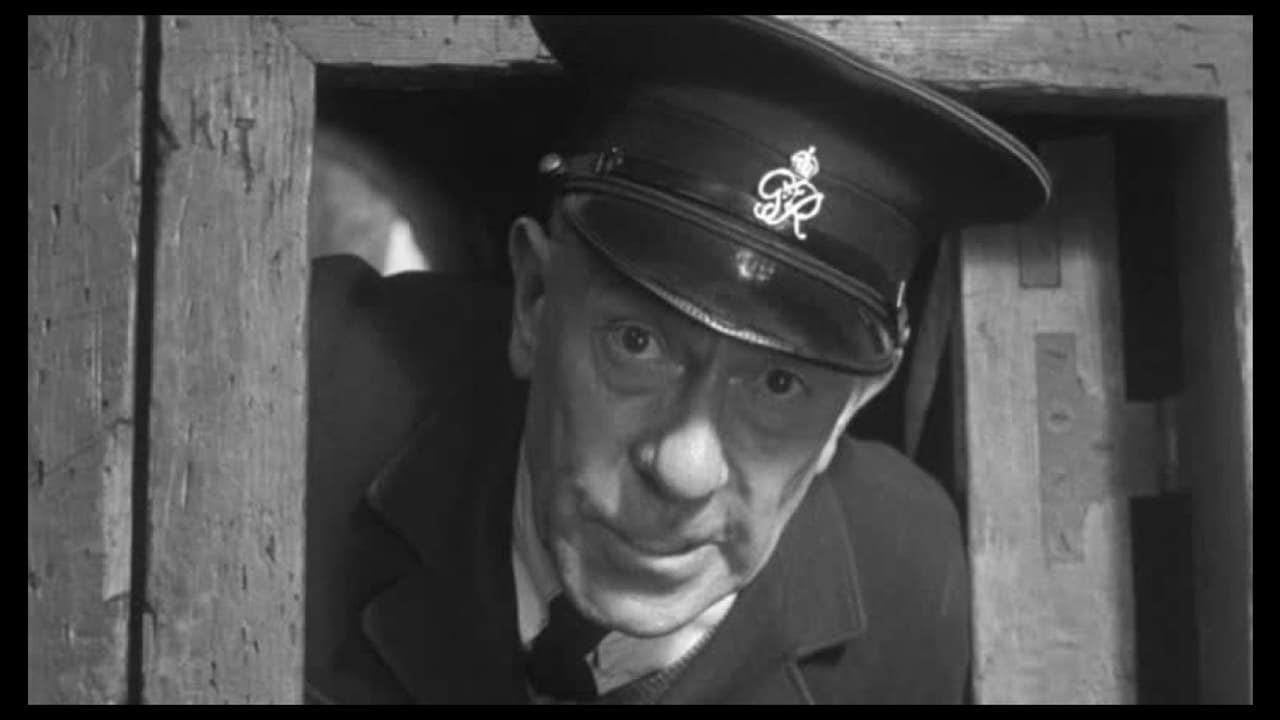
Dover, Spring 1947
1947 · 12m · Documentary
Dover made over: this quirky and pointed public information film reveals how the heavily-bombed and shelled Kent town was being replanned after the war. The filmmakers cleverly and entertainintly capture our attention by opening on travelogue cliches that they quickly undercut. It's not white cliffs and rolling hills they want to tell us about. It's present-day Dover - remaking itself in the crisp freshness of a postwar spring.
More Like This
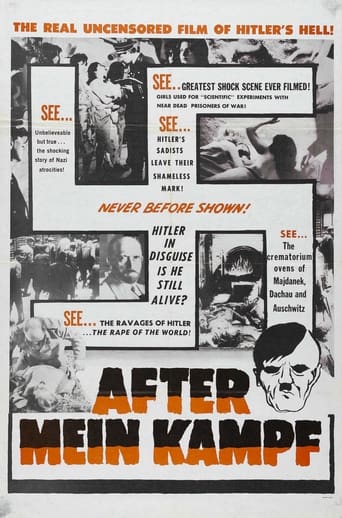
After Mein Kampf?
1961 · ★ 9
By combining actual footage with reenactments, this film offers both a documentary and fictional account of the life of Adolf Hitler, from his childhood in Vienna, through the rise of the Third Reich, to his final act of suicide in the waning days of WWII. The film also provides considerable, and often shocking, detail of the atrocities enacted by the Nazi regime under Hitler's command.
More info →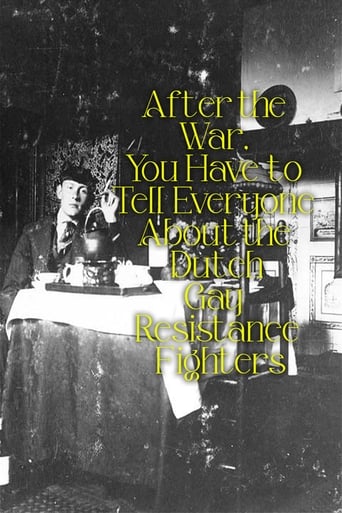
After the War, You Have to Tell Everyone About the Dutch Gay Resistance Fighters
1991 · ★ 3.3
Many members of the Dutch Underground were gay and lesbian. This film pays homage to them and recounts their story.
More info →
Popular Science J-0-6
1941 · ★ 9
Preparation of "spawn" for commercial mushrooms, which grow to the tune of "You Came Along." Also: extraction & uses of snake venom; personal dress forms; a Frank Lloyd Wright building in Racine, Wisc.
More info →Popular Science J-0-3
1940 · ★ 8
Pliofilm plastic (rubber hydrochloride) and applications in raingear, food packaging, a transparent dress. Also, hybrid giant vegetables; plastic contact lenses; the nature and prevention of dust explosions.
More info →Popular Science J-0-4
1941 · ★ 8
Marvels of modern science, including the U.S. Army's latest tanks; pretty models demonstrate massage and exercise machines.
More info →Popular Science J-0-5
1941 · ★ 7
Huge electric sign operated by photo cell animation; freshwater fauna propagated by Carolina Biological, sold and used for research; pickup and delivery of airmail in flight with small planes.
More info →Nuremberg
1996 · ★ 10
On 20 November 1945, in what had once been the spiritual centre of the Nazi Empire, the first Nuremberg trial opened. Nuremberg examines the first trail in detail: the scale and speed of the US-led effort to place the Third Reich's leaders in the dock; the charges brought against them; the courtroom drama; the final judgements. Of the 21 defendants, three were acquitted, seven given jail sentences and the remaining eleven sentenced to death, among them Hitler's right-hand man, Hermann Goering. This programme also explores the twelve subsequent trials against the backdrop of the emerging Cold War and the shifting allegiances of allies and enemies in the immediate post-war period.
More info →Næste Gang er det dig
1948 · ★ 8.5
The cause of the traffic accident should not be sought at the time of the accident itself, but long before. The motorist who has been drinking a little. The cyclist who is busy and the motorcyclist who drives correctly but still falls victim to an accident due to the ruthlessness of others.
More info →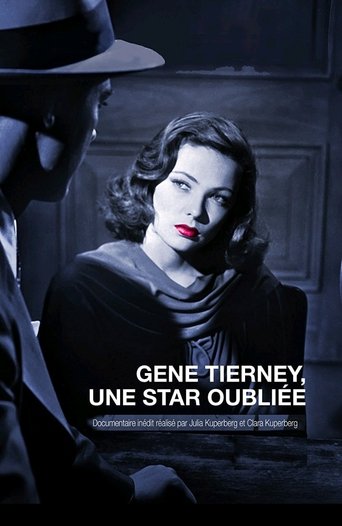
Gene Tierney: A Forgotten Star
2017 · ★ 6.5
Martin Scorsese is among those paying tribute to Gene Tierney, the Academy Award-nominated American actress who was a leading lady in Hollywood throughout the 1940s and '50s.
More info →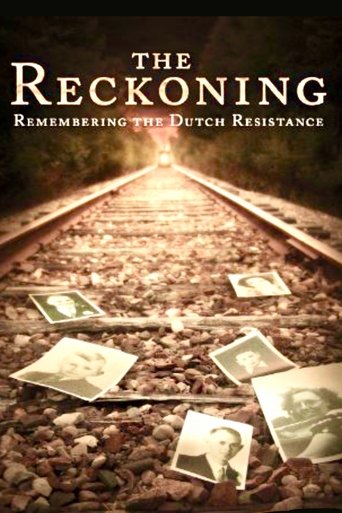
The Reckoning: Remembering the Dutch Resistance
2007
The documentary that captures the compelling story and eyewitness account of six survivors in war-torn Netherlands during World War II.
More info →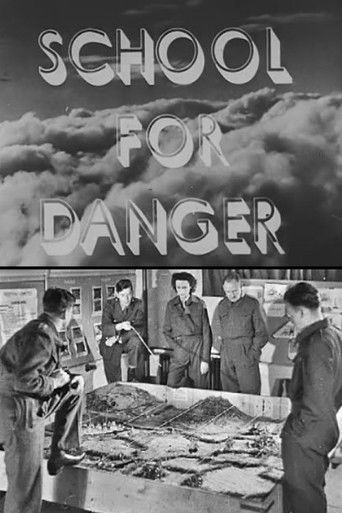
School for Danger
1947 · ★ 7.5
Britain's Special Operations Executive (SOE) provides trained agents, arms and other assistance to the European resistance groups fighting against Hitler. British agents, Captain Harry Rée DSO, OBE, Croix De Guerre, Médaille de la Résistance, aka "Felix", and Jacqueline Nearne, MBE, aka "Cat", recreate some of their adventures in France.
More info →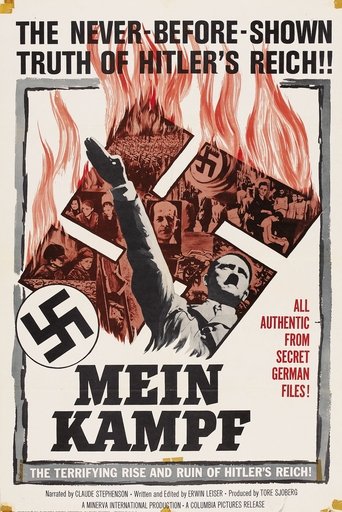
Mein Kampf
1960 · ★ 7.9
Using exclusively archival footage, Erwin Leiser traces the rise and collapse of the Third Reich, from Adolf Hitler’s early years to the devastation of Europe and his suicide in 1945. The film draws heavily on material produced and preserved by the Nazi propaganda apparatus to confront the mechanisms, imagery, and consequences of totalitarian power.
More info →