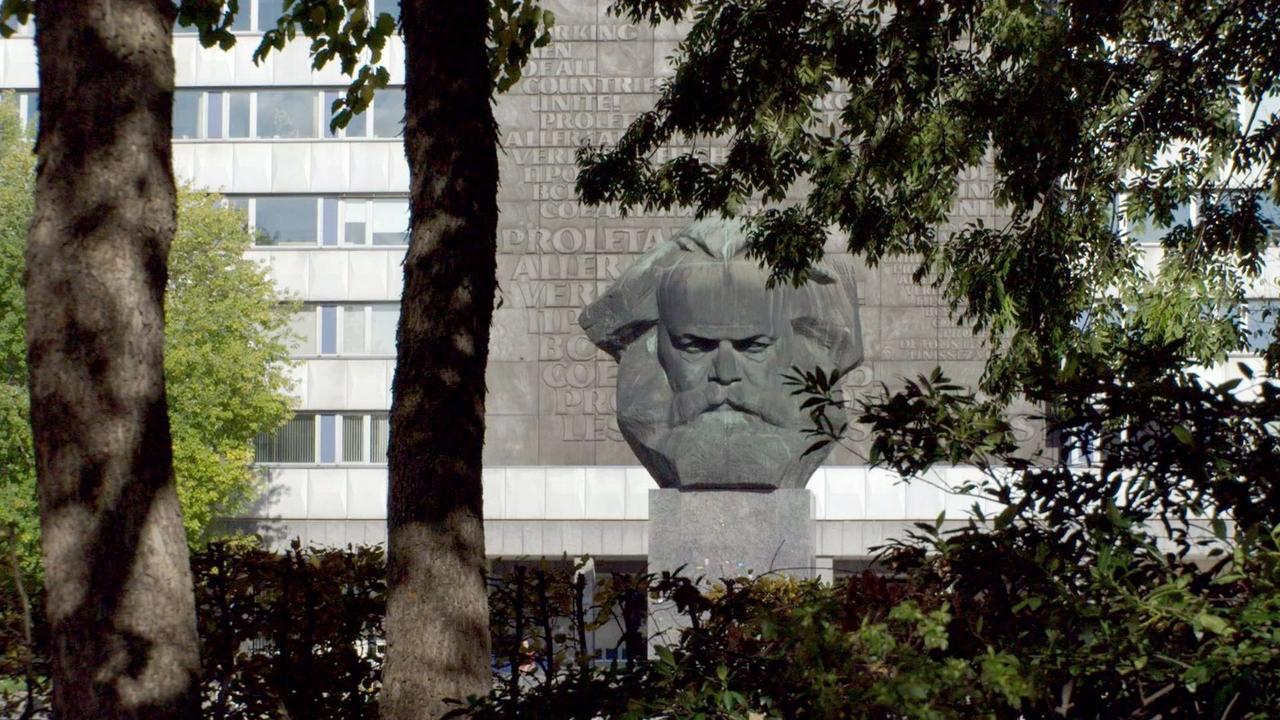
Karl Marx und seine Erben
★ 7 · 2018 · Documentary · History · TV Movie
Over the past hundred years, dramatic social upheavals have taken place in the name of Karl Marx's theories. In Western Europe, the student movement of 1968 and the Eurocommunists were inspired. And in recent times, the thinker has experienced a renaissance.
More Like This
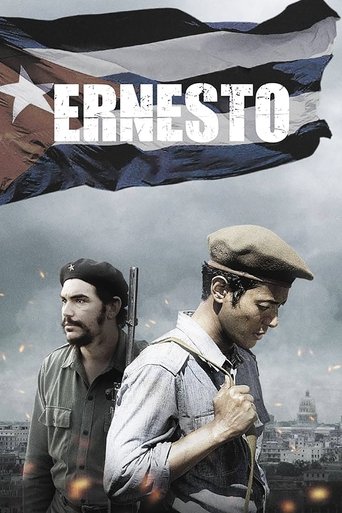
Ernesto
2017 · ★ 7
Freddy Maemura Hurtado, a second-generation Japanese-Bolivian, heads to Cuba to study medicine. He meets revolutionist Che Guevara. When civil war breaks out in Bolivia, he decides to join Guevara’s revolutionary army under the name of “Ernesto Medico”.
More info →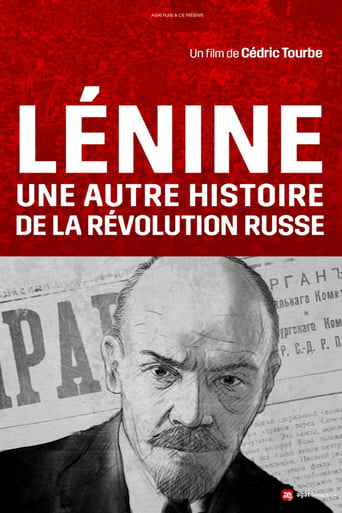
Lenin and the Other Story of the Russian Revolution
2017 · ★ 7.5
Vladimir Ilyich Ulyanov, better known as Lenin, is remembered as the instigator of the October Revolution of 1917 and, therefore, as one of the men who changed the shape of the world at that time and forever, but perhaps the actual events happened in a way different from that narrated in the history books…
More info →The Spring of Huang Jueping
2017
An artist looks back on his younger years at the Chongqing Art Academy in the turbulent 1990s. The selection and demands used to be killing. He was close friends with two boys and a girl. They fought with local youngsters and tried to give each other pep talks. Parallels with the childhood years of his parents, during the Cultural Revolution, also show violence and gun battles. Semi-autobiographical, with motion capture.
More info →
Point and Shoot
2014 · ★ 6.4
At first glance, Matthew VanDyke—a shy Baltimore native with a sheltered upbringing and a tormenting OCD diagnosis—is the last person you’d imagine on the front lines of the 2011 Libyan revolution. But after finishing grad school and escaping the U.S. for "a crash course in manhood," a winding path leads him just there. Motorcycling across North Africa and the Middle East and spending time as an embedded journalist in Iraq, Matthew lands in Libya, forming an unexpected kinship with a group of young men who transform his life. Matthew joins his friends in the rebel army against Gaddafi, taking up arms (and a camera). Along the way, he is captured and held in solitary confinement for six terrifying months.
More info →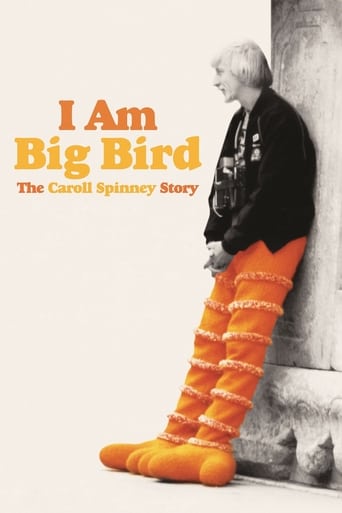
I Am Big Bird: The Caroll Spinney Story
2015 · ★ 7.4
A documentary about Caroll Spinney who has been Sesame Street's Big Bird and Oscar the Grouch since 1969. At 78-years-old, he has no intention of stopping.
More info →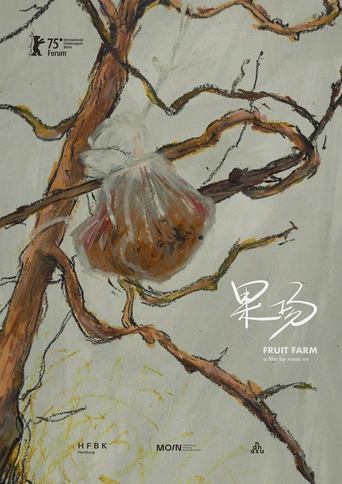
Fruit Farm
2025 · ★ 8
Nana Xu travels to the place built by her father as a prisoner during the Cultural Revolution: first a work camp, later a prison, fruit farm and treatment centre. Conversations with last remaining witnesses, where home is still shaped by a repressed past.
More info →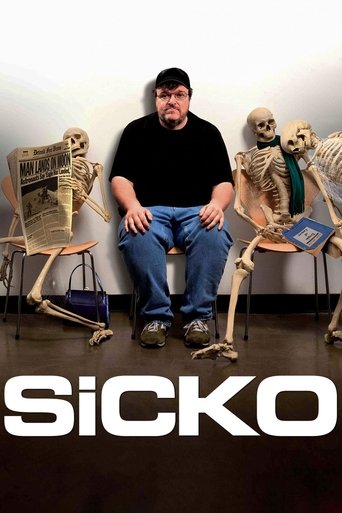
Sicko
2007 · ★ 7.4
A documentary about the corrupt health care system in The United States whose main goal is to make profit even if it means losing people’s lives. "The more people you deny health insurance, the more money we make" is the business model for health care providers in America.
More info →
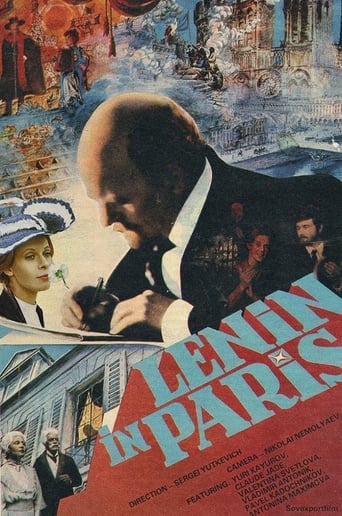
Lenin in Paris
1981 · ★ 4.4
1911. Lenin organizes the first Bolshevik party school near Paris, in the small town of Longjumeau. Through a chain of historical parallels and associations, this time is intertwined with the events of the Paris Commune, the October Revolution and the political struggles of the post-revolutionary years.
More info →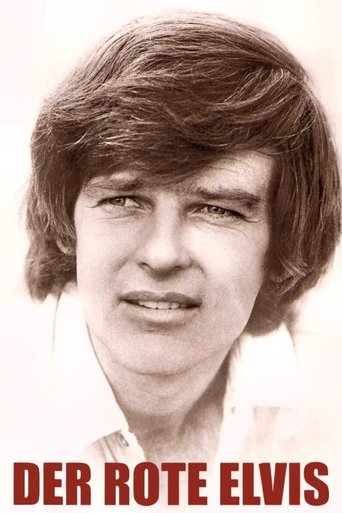
The Red Elvis
2007 · ★ 7.2
A documentary on the late American entertainer Dean Reed, who became a huge star in East Germany after settling there in 1973.
More info →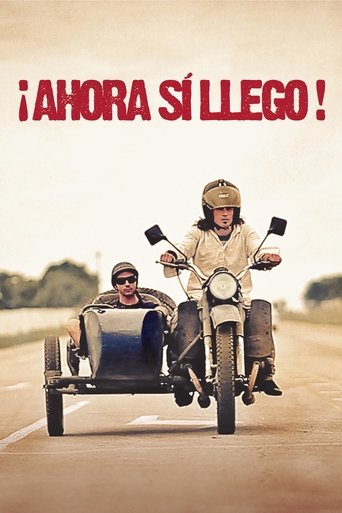
AHORA SI LLEGO!
2015 · ★ 10
The first Road Movie feature film made by the Italian artist Sanzi together with the Cuban Balboa is inspired by friendship, the island and the motorbike. The two artists used, for the first time in Cuba, the form of the Road Movie--the cinematic genre the plot of which is developed during a trip.
More info →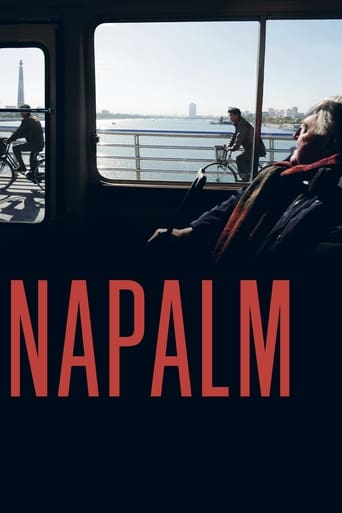
Napalm
2017 · ★ 4.9
Napalm is the story of the breathtaking and brief encounter, in 1958, between a French member of the first Western European delegation officially invited to North Korea after the devastating Korean war and a nurse working for the Korean Red Cross hospital, in Pyongyang, capital of the Democratic People’s Republic of Korea.
More info →