Every Day is Night
2010 · 57m · Documentary
For many years, the Swiss photographer Jean-Claude Wicky captured the world of Bolivian miners in photographs. When he discovered how strongly they reacted to his pictures, he decided to make a film. Black-and-white photographs alternate with film sequences, in which the miners talk about the harsh conditions of their everyday lives, while also rendering visible their pride, dignity, culture and dynamic traditions. Every day is night is first and foremost a testimonial of profoundly sincere human encounters based on respect, generosity and gratitude.
More Like This

Hell
2019
Chennu committed his first crime when he was 15 years old: being a street kid. And he entered hell: Pademba Road. The adult prison in Freetown. In hell, Mr. Sillah is in charge, and there is no hope. Chennu got out after four years. Now he wants to go back.
More info →
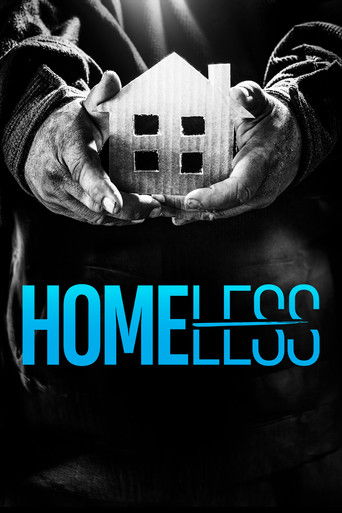
HOMELESS
2026
HOMELESS is a documentary that humanizes unhoused people and explores their backgrounds, dreams and struggles to find the way home. The film aims to raise awareness and funds to end homelessness, which is an ever more urgent global challenge: The United Nations Human Settlements Program estimates that 1.6 billion people live in inadequate housing, and the best available data suggests that more than 100 million people have no housing at all.
More info →Gringo Trails
2014 · ★ 6
Are tourists destroying the planet-or saving it? How do travelers change the remote places they visit, and how are they changed? From the Bolivian jungle to the party beaches of Thailand, and from the deserts of Timbuktu, Mali to the breathtaking beauty of Bhutan, GRINGO TRAILS traces stories over 30 years to show the dramatic long-term impact of tourism on cultures, economies, and the environment.
More info →
How the Berlin Worker Lives
1930 · ★ 5.9
This documentary shows how the Berliner workers lived in 1930. The director Slatan Dudow shows through images: a) the workers leaving the factory; b) the raise of the rents; c) the "unpleasant" guest, meaning the justice officer that brings the eviction notice; d) the fight of classes of the houses of capitalists and working classes; e) the parks of the working class; f) the houses of the working class, origin of the tuberculosis and the victims; g) the playground of the working class; h) the swimming pool for the working class, ironically called the "Baltic Sea" of the working class; i) the effects of humidity of basement where a family lives, with one member deaf; j) one working class family having dinner while the capitalist baths his dog; k) the eviction notice received from an unemployed family and their eviction.
More info →sin título
2021
"The prevailing stigmatization of the 'villero' universe is fed back by the images. In order to dismantle this stigmatization, other images must be presented or we need to reveal what the existing ones seek to cover up. The slum is usually represented from a limited and deceitful visual panorama. This representation has an intention. Cinema and television are two image-producing devices that strengthen the stereotypes that we have about the people who inhabit these spaces. And what happens in the field of painting? Do clichés reign there too? This visual essay seeks to confront various works by national painters and sculptors, belonging to the Palais collection, with the kinetic images of current cinema and television, to reflect on both the differences and the similarities in the meanings and discourses that both regimes of images can produce." César González
More info →
Pueblo de lata
1972
Migrants from the countryside and unemployed people from neighbouring cities take over some unused land and establish a neighbourhood in the industrial zone of Maracay. The event coincides with a presidential election campaign, which motivates political demonstrations in that town.
More info →

Life on the Tracks
2003 · ★ 8
Riles is a documentary about the life of a riles resident, Eddie, in a squatter area along the railroad tracks within the downtrodden section of Balic-balik, Manila.
More info →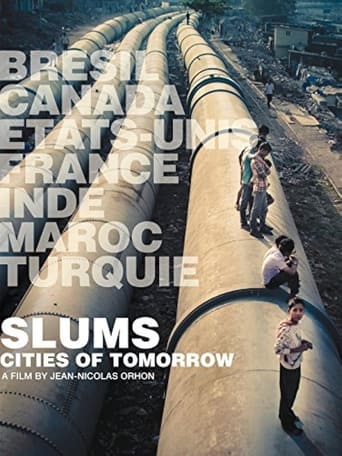
Slums: Cities of Tomorrow
2014 · ★ 7.5
One billion people on our planet—one in six—live in shantytowns, slums or squats. Slums: Cities of Tomorrow challenges conventional thinking to propose that slums are in fact the solution, not the problem, to urban overcrowding caused by the massive migration of people to cities. (Lynne Fernie, HotDocs)
More info →Köyhät, nöyrät ja häpeämättömät
1999
Documentary film about four families in Pori, Finland, all struggling with unemployment and poverty.
More info →