Omnibus
★ 6.3 · 1952 · 30m · Talk
Omnibus is an American, commercially sponsored, educational television series.
★ 6.3 · 1952 · 30m · Talk
Omnibus is an American, commercially sponsored, educational television series.

★ 10
Nestle Nido Young Stars is an above the line communication initiative by Nestle' Nido which aims to provide a platform where child nutrition, education, good parenting, motherly wisdom, grooming kids and result oriented tips for nurturing are brought into focus. It is 25 minute weekly talk show, 78 episodes, based program focusing on ' how to raise high performing children.' Each show focuses a family, which is considered to be a star family, child for his/her achievements, and the parents for brining up their child in such manner. A package containing the pictures, certificates of achievements, daily routine, parents, teachers & friends talking about the kid, etc. There is a nutritionist and an educationist in the show to talk about the topics of the day and to give tips to the audience about their children. A question & answer session is carried live on the set and also the emails are taken. A celebrity is there in the show as role model.
More info →
2026
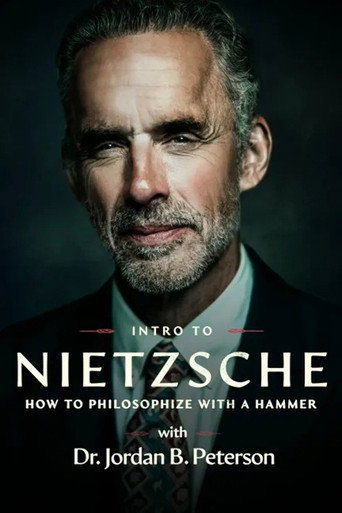
In Introduction to Nietzsche, an eight-hour course, Dr. Peterson embarks on a deep exploration of the life, philosophy, and enduring influence of Friedrich Nietzsche. Set against the backdrop of the late 19th century, we examine how Nietzsche's ideas challenged traditional moral and philosophical foundations, paving the way for new perspectives on the human condition. The course delves into key concepts such as the will to power, the critique of truth and morality, and the affirmation of life in the face of nihilism, while also exploring Nietzsche's complex relationship with religion, academia, and the works of other thinkers. Ultimately, we are invited to confront uncomfortable realities, embrace necessary struggles, and cultivate the courage and gratitude needed to realize our full potential.
More info →
2026
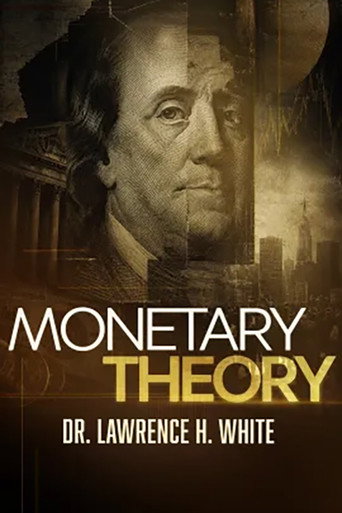
In Monetary Theory, a nine-hour course, Dr. Lawrence White explores the debate between market-based and government-controlled monetary systems, combining theory with historical evidence from gold standards to modern fiat currencies. We examine how money can emerge through market forces, the mechanics of fractional-reserve banking, and how central banks influence inflation. The course also addresses banking stability, market failure arguments, and the causes of inflation, including seigniorage. It concludes by evaluating monetary policy rules, inflation targeting, and alternatives like Bitcoin, and asks whether sound money requires commodity backing or if proper institutional design can achieve stability in fiat systems.
More info →
2026
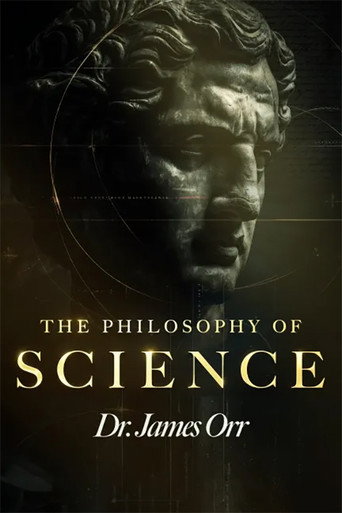
In The Philosophy of Science, an eight-hour course, Dr. James Orr traces the development of science from ancient Greece through the Scientific Revolution to today. He examines how theological, institutional, and philosophical forces shaped science, while tackling key issues like the demarcation problem of science versus pseudoscience, Hume’s problem of induction, Kuhn’s theory of paradigm shifts, and the realism debate. The course also engages fascinating unresolved questions raised by cosmology, neuroscience, and quantum mechanics, ultimately arguing that scientific progress does not eliminate philosophical inquiry but rather deepens it, revealing new mysteries that demand philosophical analysis.
More info →
2025
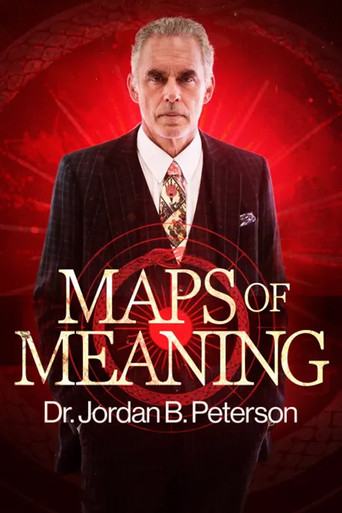
In Maps of Meaning, a twelve-hour course, Dr. Jordan B. Peterson explores the foundations of human consciousness, perception, and the pursuit of meaning. Drawing from psychology, mythology, and neuroscience, he examines how we navigate the tension between order and chaos—not as passive observers, but as active participants guided by goals and values. Central to this exploration is the archetypal hero’s journey, which shows how voluntarily confronting suffering and taking responsibility can transform both the individual and society. Grounded in decades of research and personal experience, Dr. Peterson reveals how religious symbols, archetypal narratives, and social hierarchies shape both the individual mind and collective culture. Through powerful insights, the course demonstrates that proper orientation toward the highest good enables us to transform chaos into meaningful order.
More info →
2026
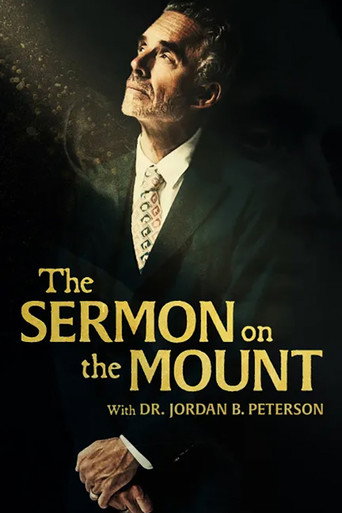
In The Sermon on the Mount, an eight-hour course, Dr. Jordan Peterson explores the profound wisdom and symbolism embedded in this foundational biblical text, highlighting the transformative power of living by Christ-like principles. He offers a deep dive into key passages, such as the Beatitudes and the Lord’s Prayer, emphasizing the importance of humility, self-reflection, and the pursuit of meaning when facing life’s challenges. Throughout the lectures, Dr. Peterson masterfully integrates biblical narratives, Jungian psychology, and personal stories, illustrating the enduring relevance of these teachings for navigating the complexities of the human experience.
More info →