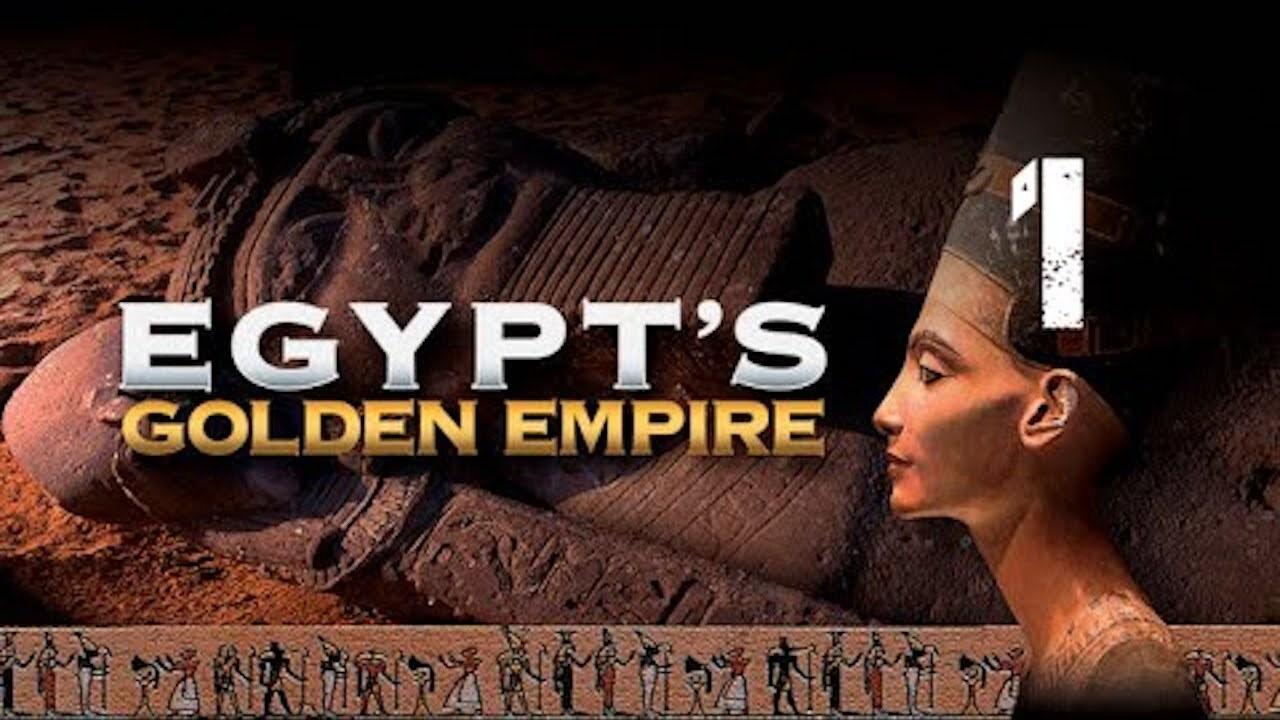
Egypt's Golden Empire
★ 7 · 2001 · 55m · Documentary
This three-part special tells the story of the Egyptian empire from its beginning in 1560 B.C. to its collapse in 1080 B.C. Interviews with scholars and dramatic re-creations bring the story to life.
Episodes
More Like This
The First War for Western Civilization
2016
The Greco-Persian War was pivotal in the creation of the modern world - yet all that is generally remembered are the 300 Spartans at Thermopylae. This documentary examines the whole history, from the Ionian Revolt (497BC) to the Peace of Callias (449BC), and also covers the legacies of the war - including Democracy.
More info →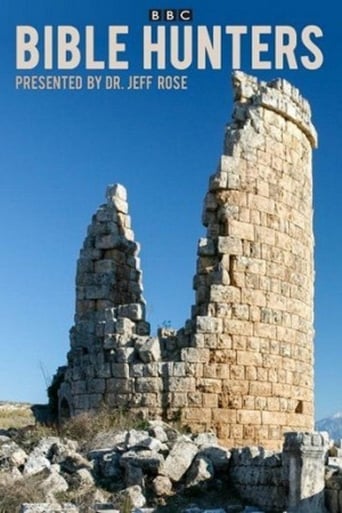
Bible Hunters
2014
Documentary telling the stories of the men and women who travelled across Egypt to uncover the earliest Christian texts.
More info →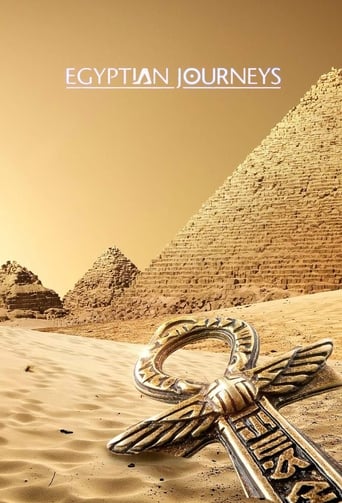
Egyptian Journeys with Dan Cruickshank
2005 · ★ 6
Egyptian Journeys with Dan Cruickshank is a BBC Television documentary series in which Dan Cruickshank explores the mysteries of Ancient Egypt.
More info →
Paranormal Egypt
2008 · ★ 6
Where's Anne Rice when you really need her? Self-described medium Derek Acorah travels to Egypt where he communes with the spirits of King Tut and other long-departed personalities, aided by Sam, his Ethiopian spirit guide.
More info →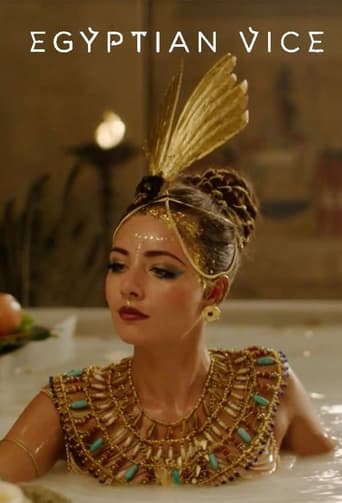
Egyptian Vice
2015 · ★ 7
Throughout human history, there have been sinister desires driven by animalistic lust, and the Ancient Egyptians were no different. From Rameses II, who bent the truth and made himself a god on the earth, to Cleopatra, who engaged in incest and used her sex appeal as a weapon, this History Channel movie explores the dark side of one of the greatest empires in history.
More info →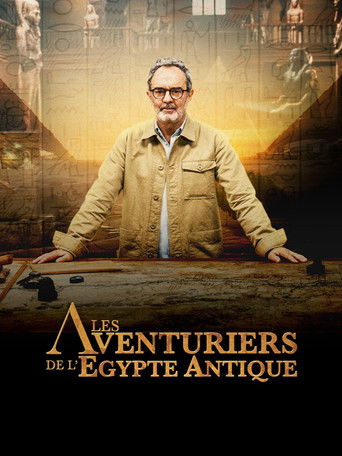
Adventurers of Ancient Egypt
2025 · ★ 8
Tutankhamun, Ramses the Great, Cleopatra, Khufu…these legendary pharaohs built the wonders of Karnak, Luxor and the pyramids of Giza before their civilization faded into obscurity. But in 1798, Napoleon Bonaparte’s expedition to Egypt reopened the doors to a forgotten world and ignited a fascination with Ancient Egypt that continues to this day. Bold explorers, such as Jean-François Champollion and Giovanni Battista Belzoni, risked everything to unearth these wonders. Archaeology became a conquest, and Egypt’s heritage was plundered by tomb raiders - until Auguste Mariette laid the foundations of modern Egyptology. This immersive series reveals the splendor of the pharaohs and the feats of the explorers.
More info →
Tales from the Explorers Club
2022 · ★ 7.2
At the world-famous Explorers Club, a gathering place for trailblazers, club member Josh Gates recounts the greatest adventures of all time.
More info →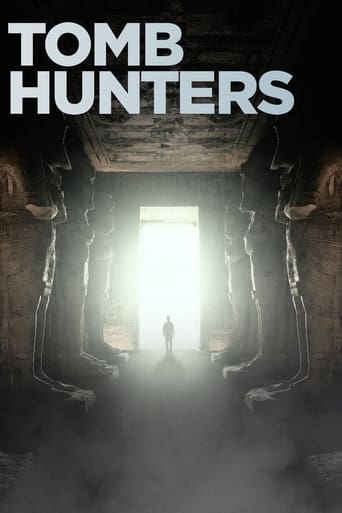
Tomb Hunters
2021 · ★ 7
It was an archaeological find that became global news. An extraordinary mega-tomb, filled with the largest concentration of coffins ever unearthed in Saqqara, Egypt. This four-part series places you at the site to witness this ground-breaking discovery as it happened and follows Egyptologists as they try to determine why all of these mummies were buried together and what this ancient cemetery can tell us about the Egyptian civilization's way of death 2,500 years ago.
More info →
Egypt
2005 · ★ 8.4
Television drama serial about various archaeological discoveries taking place in that country's history, with the occasional 'flashback' scene involving actors portraying the ancient Egyptians themselves.
More info →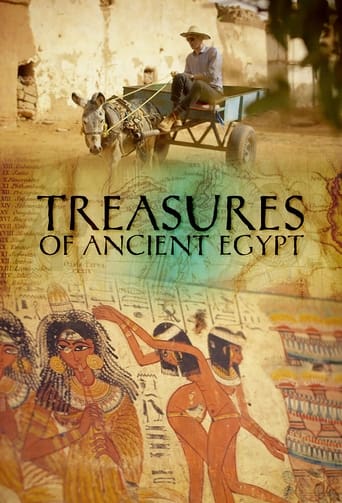
Treasures of Ancient Egypt
2014 · ★ 7.4
Alastair Sooke tells the story of Ancient Egyptian art through 30 extraordinary masterpieces.
More info →
Crash Course: World History
2012
Crash Course World History is a video course hosted by John Green that teaches world history from growing the first crops in the First Agricultural Revolution to global textile production in the 2010s. Across the series, it builds skills in identifying and explaining historical developments, analyzing events in broader context, and tracing patterns and connections across time and place—aiming to help viewers become more informed citizens of the world. Season 1 follows the 2012 AP World History curriculum in a 42-episode chronological survey, while Season 2 continues in 30 episodes with a more thematic approach that focuses on systems and encourages viewers to question how “history” is written and what biases shape it.
More info →