The Female Offender
1995 · Documentary
An exploration of the space where femininity and criminality collide. The film collages archival footage clips culled from silent films, original footage and computer-generated imagery with a series of narratives drawn from true crime confessions, early criminological texts, and the filmmaker's own reflections. The result is a cool and piercing meditation on the way the categories of "woman" and "criminal" have been constructed.
More Like This
Bliss
1967 · ★ 8
The first film made by Markopoulos after moving to Europe, Bliss was shot over the course of two days using only available light to create a lyrical study of the interior of the Church of St. John on the island of Hydra.
More info →
Nothingness
2025
The Eye explores silent landscapes where nature and absence coexist. Between the memory of places and resilience in the face of time, the film oscillates between beauty and existential vertigo, capturing what persists and what fades.
More info →
Cruel and Unusual
2006 · ★ 4
Five transgender women share their prison experiences. Interviews with attorneys, doctors, and other experts are also included.
More info →
Landscape dynamics
2020
An investigation about human intervention in nature, from the subjective point of view of the camera, the environment and its transformation are observed.
More info →Everything I Thought I Knew About Sex
2022
A series of testimonies about formative encounters with sex and pornography.
More info →
Killed by Our Daughter: The McCullough Murders
2024 · ★ 6
Virginia McCullough murdered her parents and lived with their bodies for four years.
More info →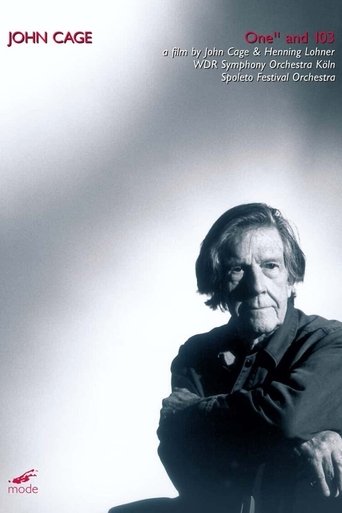
One 11 and 103
1992 · ★ 10
Avant-garde composer John Cage is famous for his experimental pieces and "chance music" but temporarily branched into video in 1992 with this art film about meaningless activity. The work is composed of two segments that are supposed to be played simultaneously: "One 11" contains the artistic statement, and "103" is a 17-part orchestral piece. Also included is a revealing documentary about Cage and director Henning Lohner.
More info →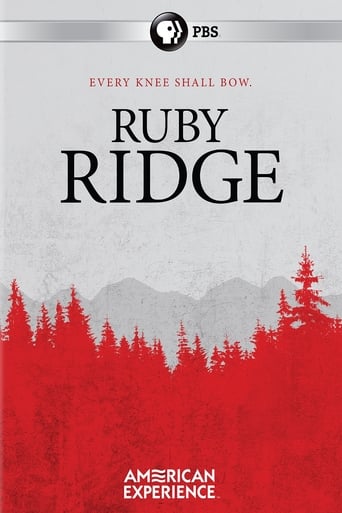
Ruby Ridge
2017 · ★ 6.6
Shortly before dawn on August 21, 1992, six heavily armed U.S. marshals made their way up to the isolated mountaintop home of Randy and Vicki Weaver and their children on Ruby Ridge in Northern Idaho. Charged with selling two illegal sawed-off shotguns to an undercover agent, Weaver had failed to appear in court and law enforcement was tasked with bringing him in. For months, the Weavers had been holed up on their property with a cache of firearms, including automatic weapons. When the federal agents surveilling the property crossed paths with members of the family, a firefight broke out. The standoff that mesmerized the nation would leave Weaver injured, his wife and son dead, and some convinced that the federal government was out of control. Drawing upon eyewitness accounts, including interviews with Weaver’s daughter, Sara, and federal agents involved in the confrontation, Ruby Ridge is a riveting account of the event that helped give rise to the modern American militia movement.
More info →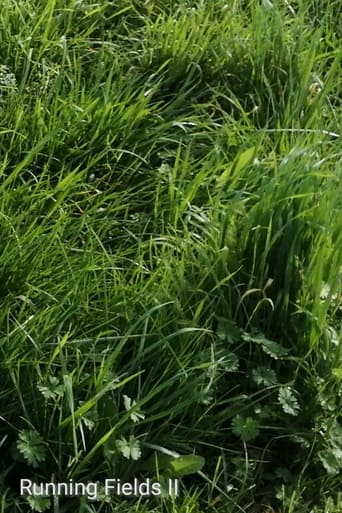
Running Fields II
2024
Fifteen images of a camera running in a park and in obscurity searching the space of light through distorsion and the sensory of rapid motion.
More info →
Six Angry Women
2021 · ★ 8
Revisit the events of 1984, when six female vigilantes kidnapped an Auckland University lecturer and assaulted him in a violent political action, triggering debates about gender politics that divided New Zealand and led to social change.
More info →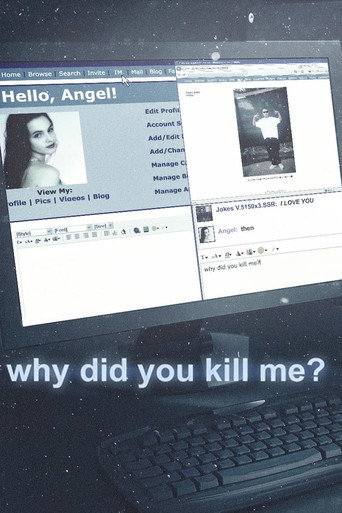
Why Did You Kill Me?
2021 · ★ 5.9
The line between justice and revenge blurs when a devastated family uses social media to track down the people who killed 24-year-old Crystal Theobald.
More info →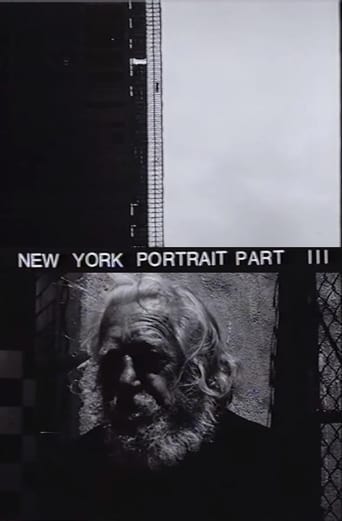
New York Portrait, Chapter III
1990 · ★ 8.3
"[Hutton’s] latest urban film, New York Portrait, Chapter III, takes on a unique tone in relation to Hutton’s ongoing exploration of rural landscape. The very fact that Hutton is dealing with older footage, with archives of memory more than immediacy, gives it a different texture than his earlier New York films. Hutton always found the presence of nature in the city, not only in his many shots of sky and vegetation, but also in the geometry and texture of the city itself, which seemed to project an independence from the human." (Tom Gunning)
More info →