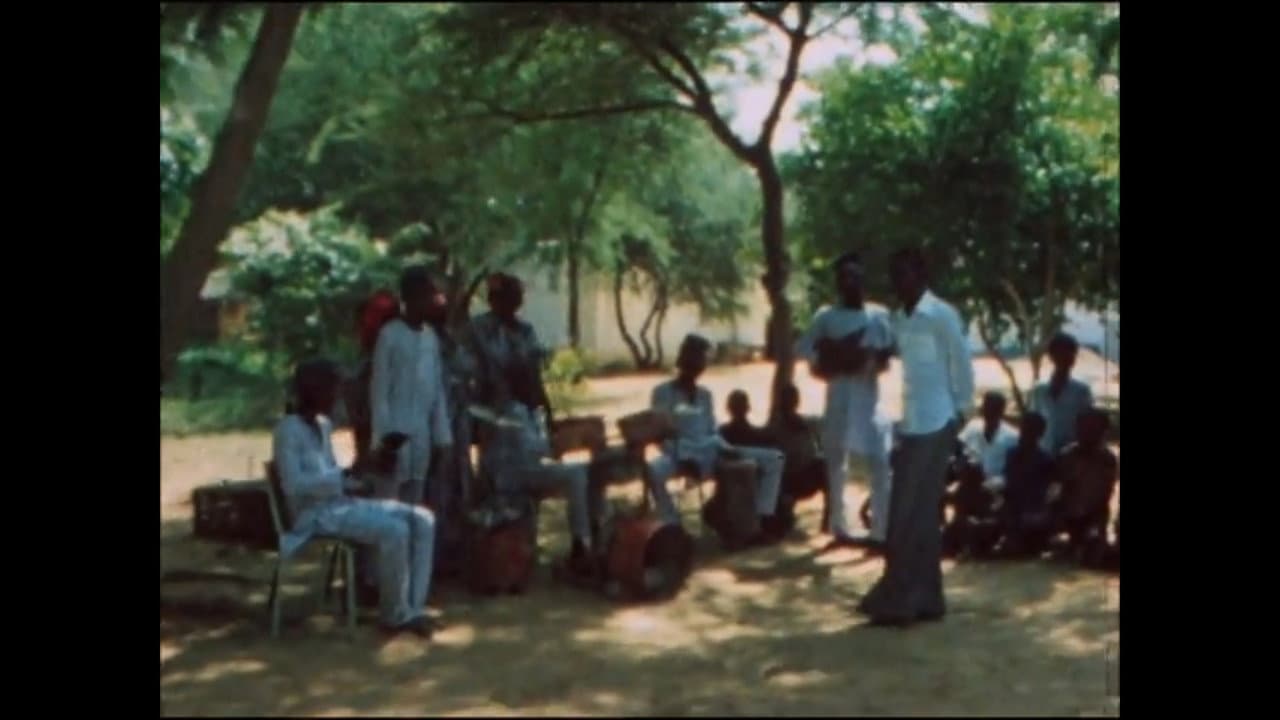
Zomo et ses frères
1975 · 19m · Documentary
A portrait of Zomo, the second of Damouré Zika’s many children. Employed at the zoo of the National Museum of Niger in Niamey, he offers us a tour, showing us the animals he takes care of. Then, when the work is finished, he invites us to an impromptu concert by “Jeunesse Gawey,” the “popular music” orchestra he forms with his brothers and sisters, who sing and dance for us pretty songs about their lives, their family, and Nigerien youth.
More Like This

Pam Kuso Kar (Breaking Pam's Vases)
1974 · ★ 9
In February 1974, Pam Sambo Zima, the oldest of the priests of possession in Niamey, Niger, died at the age of seventy-plus years. In his backyard, the followers from the possession cult symbolically break the dead priest's ritual vases and cry for the deceased while dividing up the clothes of the divinities.
More info →
Circumcision
1949 · ★ 4.8
Rites and operation of the circumcision of thirty Songhai children on the Niger. Material of this film has been used to make "Les Fils de l'Eau".
More info →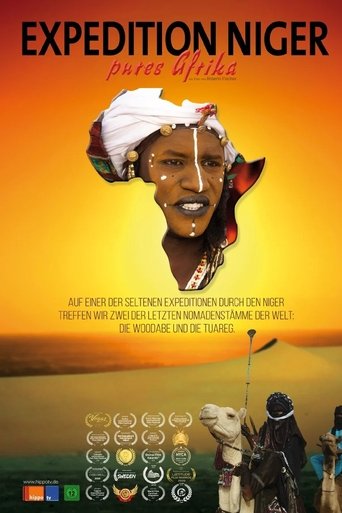
Expedition Niger: Real Africa
2023
Niger is one of the poorest countries in the world and is also plagued by numerous terrorist organizations that repeatedly kidnap people. Accompanied by a military convoy, the travel group explores the country and the cultural traditions of two of the last nomadic tribes, the Woodabe and the Tuareg. From the capital Niamey in the southwest, the journey continues through the interior of the country to Iférouane, where the Nigerien tour guide provides information about the country and its people.
More info →
Sahel: Pátria ou Morte
2025
For decades, the countries of the African Sahel region have been targets of colonialism and exploitation by France and other Western powers. This documentary addresses the popular resistance and new paths of development forged by Burkina Faso, Niger, and Mali after experiencing civil and military uprisings in recent years. The film explores the popular resistance that sustains the revolution in the three Sahel countries and was made after extensive coverage of the ongoing social dynamics and geopolitical disputes.
More info →Atilogivu: The Story of a Wrestling Match
1982
While no wrestling is actually depicted, Atilogivu: The Story of a Wrestling Match documents gymnastic dancing to drum and flute music of the Ibu people, east of the River Niger.
More info →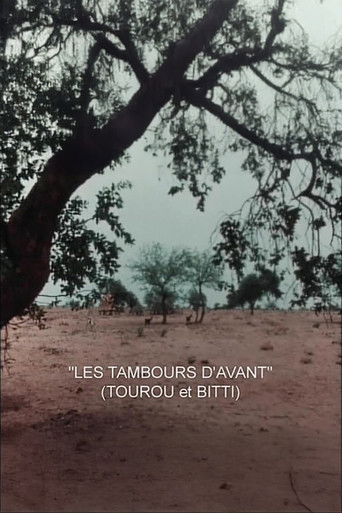
Drums from the Past
1971 · ★ 6.4
Filmed in May 1971 in Niger, this short documentary records a possession ritual performed by the Simiri people in response to a locust invasion. The ceremony centers on the beating of the archaic drums Tourou and Bitti, used to invoke spirit forces through music, dance, and trance. Shot in a single continuous take, the film documents a concentrated moment of collective ritual practice, reflecting Jean Rouch’s first-person ethnographic approach and direct participation in the event.
More info →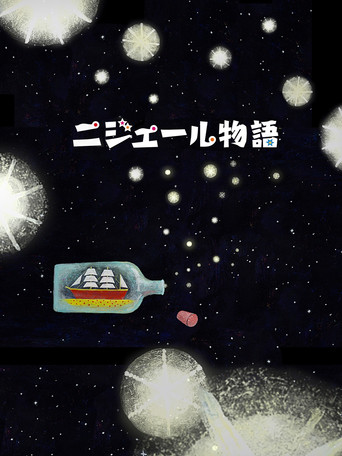
Niger Story
2017
A collection of seven little stories about Niger and its Sahara desert from the illustrated book by Hideko Fukuda & Masanori Inui.
More info →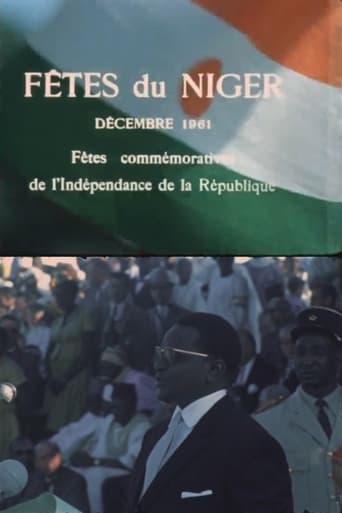
Niger Festivals: December 1961 - Niger Independence Days
1962
Commemorative celebrations of the independence of the Republic of Niger filmed in December 1961 and 1962.
More info →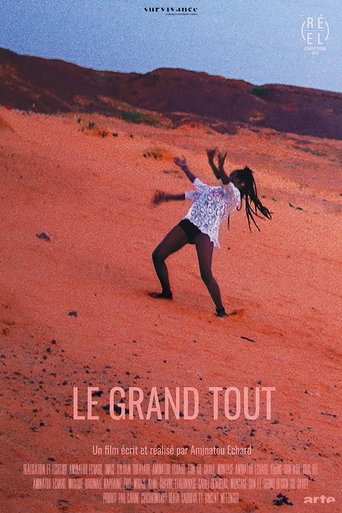
The Big Everything
2025 · ★ 8
How’s the Big Everything? Garba asks Nicole. For them, the “Big Everything” encompasses family, politics, History, daily life, the stars, small things, and time passing like the wind. By delving into their memories, at the time of Niger’s independence, we come face to face with the complexity of the present.
More info →
Hampi
1962
A ritual vase, the hampi, is placed in the center of the Musée de plein air de la République du Niger in Niamey, during a ritual ceremony featuring possession dances. With this film, Jean Rouch continues his ethnological and cinematographic study of Songhay ritual objects. He demonstrates that, in a particular context, the transfer of a hampi vase to a museum requires the organization of a ritual ceremony to obtain the gods' approval. At the time, however, reservations about filming a possession dance for the opening of a shrine in a museum made the move "questionable from a museological point of view".
More info →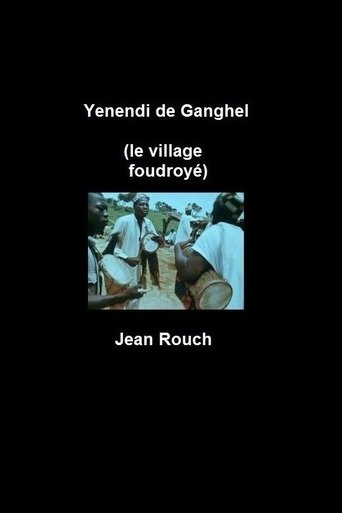
Yenendi de Ganghel (Rain Dance at Ganghel)
1968
Lightning struck the hut of a Fulani shepherd near a village of settled fishermen, Ganghel, in Niger. A yenendi, a purification ceremony to obtain "water from the sky but not fire from the sky", is organized, with Sorko priests, ritual musicians and dancers, and the faithful from Niamey. The musicians call on Dongo, god of storms, and his brother Kirey, god of lightning. To the rhythm of the orchestra, a man goes into a trance, becoming Dongo's horse and at the same time the riding genie. Then a woman is possessed by Kirey. When the riding gods have mastered their horses, the gods visit the men. Dongo purifies the lightning-struck land and the oldest fisherman prepares the purification vessel, addressing Dongo.
More info →
L'Afrique et la recherche scientifique
1964
This documentary offers an overview of French scientific research in Africa French scientific research in Africa: hydrology, botany, biology oil palm and coconut cultivation, industrial sea fishing and and urban planning. Film montage taking stock of scientific research research in Africa, mainly in the fields of hydrology hydrology, botany, biology and agriculture. The film is a compilation of extracts from several short films made by Jean Rouch in Mali, Niger and Côte d'Ivoire between 1962 and 1963: Abidjan, port de pêche, Le Mil, Le Cocotier and Le Palmier à l'huile. l'huile.
More info →