Equí y n'otru tiempu
★ 5 · 2014 · 70m · Documentary
Between October 1937 and November 1952 hundreds of Republican supporters took to the mountains of Asturias with two main objectives: to save their lives, and to continue their armed resistance against Franco. Many of them would die in those mountains. This film is centered on filming the places in the present where the major figures of the Asturian Guerrilla Group were killed.
More Like This
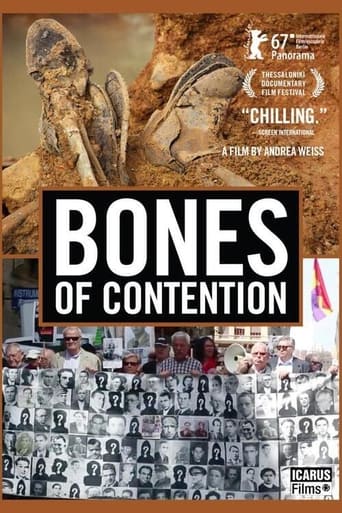
Bones of Contention
2018 · ★ 6
A history of the political and social repression carried out by the ruthless regime of Spanish dictator Francisco Franco between 1936 and 1975 that focuses on the lives of gays and lesbians during those dark years and the death of the Spanish gay poet Federico García Lorca.
More info →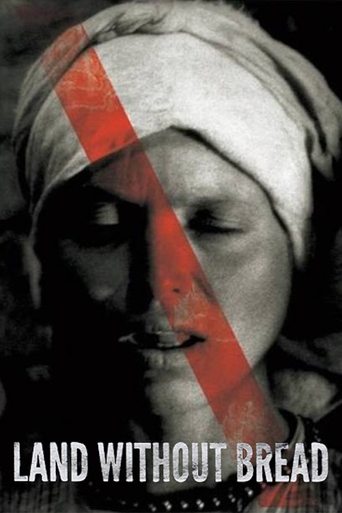
Land Without Bread
1933 · ★ 7.1
An exploration —manipulated and staged— of life in Las Hurdes, in the province of Cáceres, in Extremadura, Spain, as it was in 1932. Insalubrity, misery and lack of opportunities provoke the emigration of young people and the solitude of those who remain in the desolation of one of the poorest and least developed Spanish regions at that time.
More info →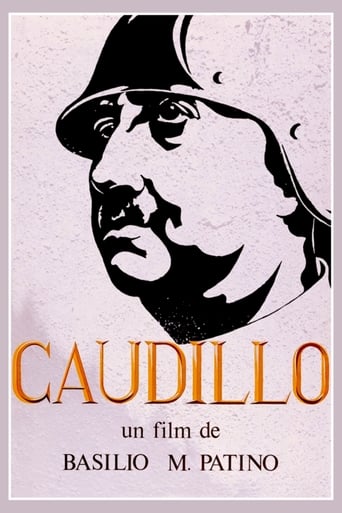
Caudillo
1977 · ★ 7.9
Caudillo is a documentary film by Spanish film director Basilio Martín Patino. It follows the military and political career of Francisco Franco and the most important moments of the Spanish Civil War. It uses footage from both sides of the war, music from the period and voice-over testimonies of various people.
More info →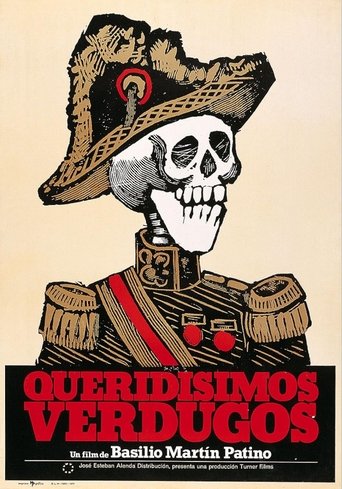
Dearest Executioners
1977 · ★ 7.8
This documentary, filmed clandestinely, is based on several interviews with the executioners who worked in Spain during the early 1970s, as well as families of people executed by them.
More info →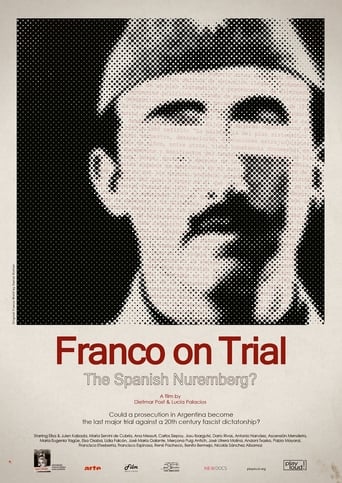
Franco on Trial: The Spanish Nuremberg?
2018
Franco on Trial is the new film by Dietmar Post and Lucía Palacios. After the success of Franco's Settlers, their first encounter with Franco's dictatorship, they are now setting their sights on one of the darkest chapters of European history: the presumed organized extermination that took place during the coup, the war, and the subsequent dictatorship led by Franco, as well as Argentina's current effort, by invoking the principle of universal jurisdiction, to prosecute Francoists accused of committing crimes against humanity. The film is also a sore reminder of an issue that still stands today: the clear-cut accountability held by Germany, Italy, and Portugal. The film accomplishes to give both sides a voice - those against whom the killing has been directed; and the side of the perpetrators.
More info →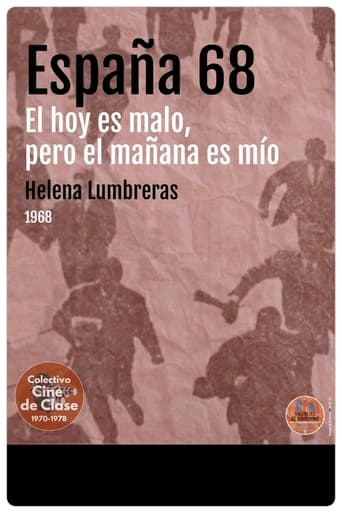
Spain '68
1968 · ★ 5.2
Spain, 1968. An analysis of the political and social situation of the country, suffocated by the boot of General Franco's tyrannical regime. (Filmed clandestinely in Madrid and Barcelona during the spring of 1968.)
More info →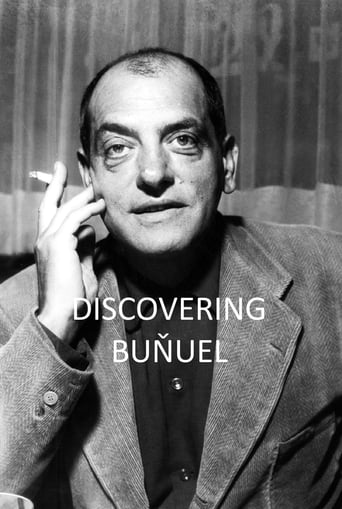
Discovering Buñuel
2012
Luis Bunuel, the father of cinematic Surrealism, made his film debut with 'Un Chien Andalou' in 1929 working closely with Salvador Dali. Considered one of the finest and controversial filmmakers with, 'L’Age d’Or' (1930), attacking the church and the middle classes. He won many awards including Best Director at Cannes for 'Los Olvidados' (1950), and the coveted Palme d’Or for 'Viridiana' (1961), which had been banned in his native Spain. His career moved to France with 'The Diary of a Chambermaid' with major stars such as Jeanne Moreau and Catherine Deneuve.
More info →
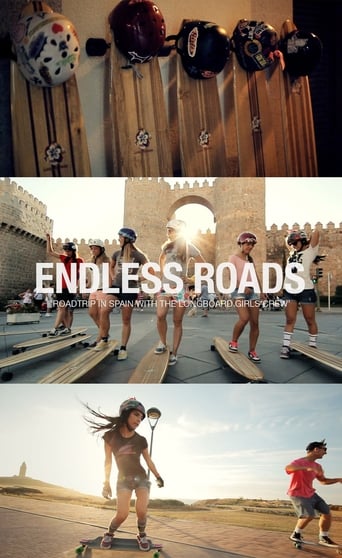
Endless Roads
2011 · ★ 4
7 female riders, 1 van, 15 days, 4,300km, 416 GB of raw material… culminating in one video, divided into four chapters. The film documents the adventure of the trip, portraying the girls, their lifestyle and their passion for longboard.
More info →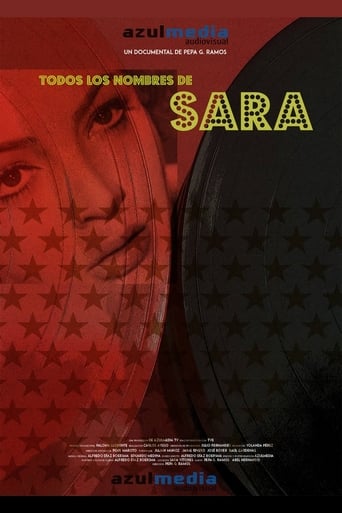
Todos los nombres de Sara
2019 · ★ 4
Born in Campo de Criptana, a small village in the Spanish region of La Mancha, Sara Montiel (1928-2013) conquered Mexico, Hollywood, and the hearts of people. The recognition of an unparalleled professional career, an intimate dialogue with a tireless worker who took the stage at the age of twelve and never got off. A movie star who seduced millions of viewers around the world, a singer who reinvented a musical genre, a woman who broke the mold…
More info →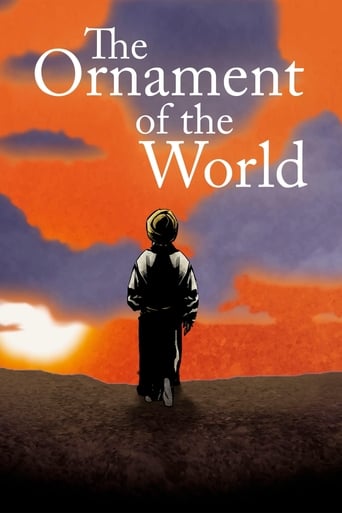
The Ornament of the World
2019 · ★ 7.8
Filmed in Cordoba, Granada, Seville, and Toledo, this documentary retraces the 800-year period in medieval Spain when Muslims, Christians, and Jews forged a common cultural identity that frequently transcended their religious differences, revealing what made this rare and fruitful collaboration possible, and what ultimately tore it apart.
More info →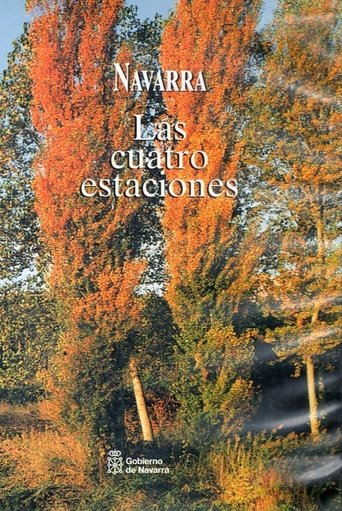
Navarra, las cuatro estaciones
1972 · ★ 5.5
A sample of the most relevant and characteristic aspects of traditional Navarran culture: carnivals, pilgrimages, crafts involving farm implements and tools, agricultural work, patron saint festivals, and other manifestations of rural society and folklore unfold over 150 minutes at the pace set by the seasons. The film is a reference document of prime importance on traditional Navarrese society, which was beginning to disappear in the years when the film was shot due to the rapid transformation of the region into an industrialized society. More than thirty years later, this process has been almost completely accomplished, giving the film a unique added historical value.
More info →