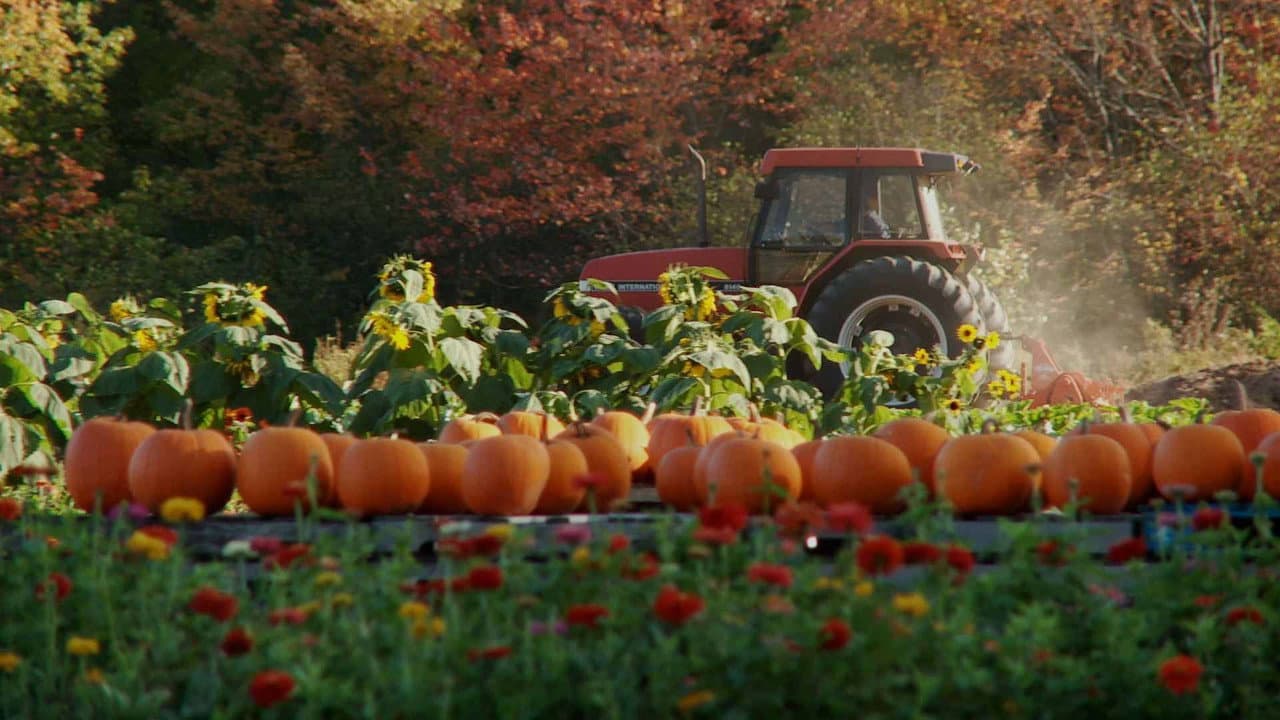
Farmageddon
★ 4.9 · 2011 · 86m · Documentary
The story of a mom whose son healed from all allergies and asthma after consuming raw milk, and real food from farms. It depicts people all over the country who formed food co-ops and private clubs to get these foods, and how they were raided by state and local governments.
More Like This
The Agro Rebel: Permaculture in the Salzburg Alps
2001
Sepp Holzer explains some of the innovative, labour-saving agricultural techniques he applies at his farm in the Eastern Alps of Salzburg, Austria.
More info →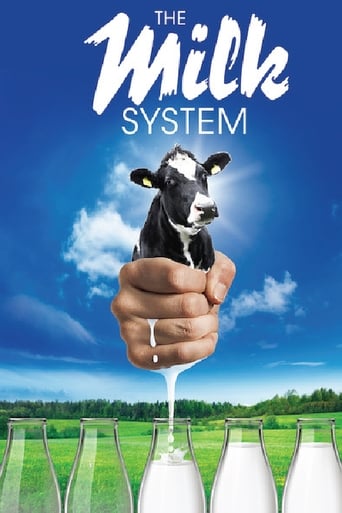
The Milk System
2017 · ★ 6.8
Milk is Big Business. Behind the innocent appearances of the white stuff lies a multi-billion euro industry, which perhaps isn't so innocent…
More info →
Whenever You Eat...
1949
"Whenever You Eat" (1949) is an educational film produced by the National Dairy Council and Atlas Film Corp, emphasizing the importance of physical well-being and its connection to good living habits and a proper diet. Through a 12-minute narrative, the film likely promotes balanced nutrition, healthy eating routines, and the role of dairy in maintaining overall health. Targeting families, students, and general audiences, it serves as a mid-century public health message encouraging better dietary choices for improved daily life and long-term wellness.
More info →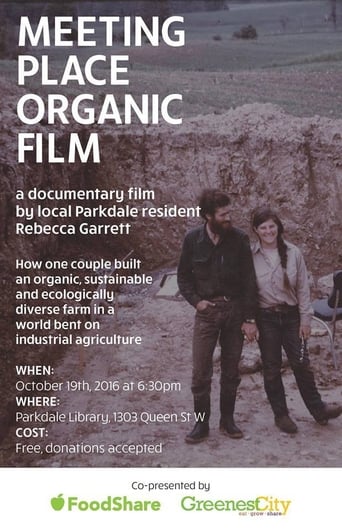
Meeting Place Organic Film
2016
Local, organic, and sustainable are words we associate with food production today, but 40 years ago, when Fran and Tony McQuail started farming in Southwestern Ontario, they were barely spoken. Since 1973, the McQuails have been helping to build the organic farming community and support the next generation of organic farmers. This is a documentary about the McQuails that explores the very real ways their farm has contributed to the long term ecological viability of agriculture in Ontario. It is a call to action for all those who believe there is a better way to take care of our planet and feed the world.
More info →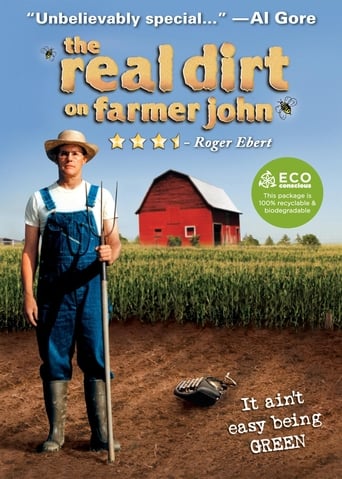
The Real Dirt on Farmer John
2006 · ★ 7.2
An outcast in his community, Farmer John bravely stands amidst a failing economy, vicious rumors, and violence. By melding the traditions of family farming with the power of art and free expression, this powerful story of transformation and renewal heralds a resurrection of farming in America. Through highly personal interviews and 50 years of beautifully textured footage, filmmaker Taggart Siegel shares Farmer John’s haunting and humorous odyssey, capturing what it means to be wildly different in a rural community.
More info →
Milk: Make Your Own Mind Up
2020
Is the reality of dairy consistent with what the industry tries to convey? Well... make your own mind up.
More info →
Heartland Local Food
2020
This film explores food sustainability, how farmers' markets build community, and why local food matters. Filmmaker Dr. Benjamin Garner is an Associate Professor at the University of North Georgia. He produces films on food, marketing, and tourism. Dr. Garner consults with companies on soft skills training and produces video ads for web and social media.
More info →
Mustafa's Sweet Dreams
2012 · ★ 10
The small Turkish town of Gaziantep. 16-year-old Mustafa is one of many young boys who study the complex art of making baklava, the Turkish desert renowned across the world. Under the strict eye of the master Baklava makers, Mustafa’s life is one of hard work and dedication to his chosen craft. But Mustafa dreams of a life beyond the confines of the workshop. He still wants to be a baklava master: he just wants to do it on his terms. Soon, against the advice of his friends and family, Mustafa makes a move towards the big city. Will his dreams be realised or will they crumble before him? A film about the impetuousness of youth and the importance of reaching for the stars, Angelos Abazoglou’s innnovative documentary is a moving and joyful coming-of-age tale which will speak to anyone who has ever wanted to fullfill their dreams.
More info →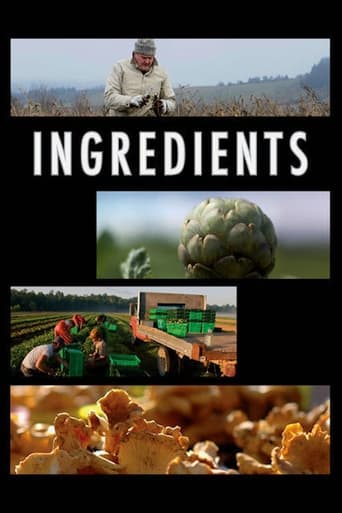
Ingredients
2009 · ★ 5.9
At the focal point of this movement, and of this film, are the farmers and chefs who are creating a truly sustainable food system. Their collaborative work has resulted in great tasting food and an explosion of consumer awareness about the benefits of eating local. Attention being paid to the local food movement comes at a time when the failings of our current industrialized food system are becoming all too clear. For the first time in history, our children's generation is expected to have a shorter lifespan than our own. The quality, taste and nutritional value of the food we eat has dropped sharply over the last fifty years. Shipped from ever-greater distances, we have literally lost sight of where our food comes from and in the process, we've lost a vital connection to our local community and to our health.
More info →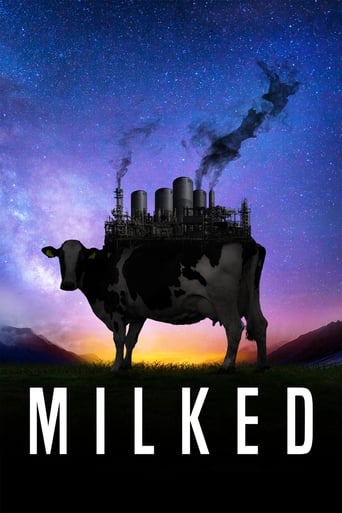
Milked
2021 · ★ 8.7
A young activist goes deep into dairy land where he takes on the giants of New Zealand's most powerful industry, and reveals how the sacred cash-cow industry has been milked dry. His journey exposes not only the sustainability crisis and the dangerous denial of impending agricultural disruption, but also what New Zealand and other countries can do to change their fate.
More info →
Queen of the Sun: What Are the Bees Telling Us?
2010 · ★ 6.8
In 1923, Rudolf Steiner, an Austrian scientist, philosopher & social innovator, predicted that in 80 to 100 years honeybees would collapse. Now, beekeepers around the United States and around the world are reporting an incredible loss of honeybees, a phenomenon deemed "Colony Collapse Disorder." This "pandemic" is indicated by bees disappearing in mass numbers from their hives with no clear single explanation. The queen is there, honey is there, but the bees are gone. For the first time, in an alarming inquiry into the insights behind Steiner's prediction QUEEN OF THE SUN: What Are the Bees Telling Us? investigates the long-term causes behind the dire global bee crisis through the eyes of biodynamic beekeepers, commercial beekeepers, scientists and philosophers.
More info →