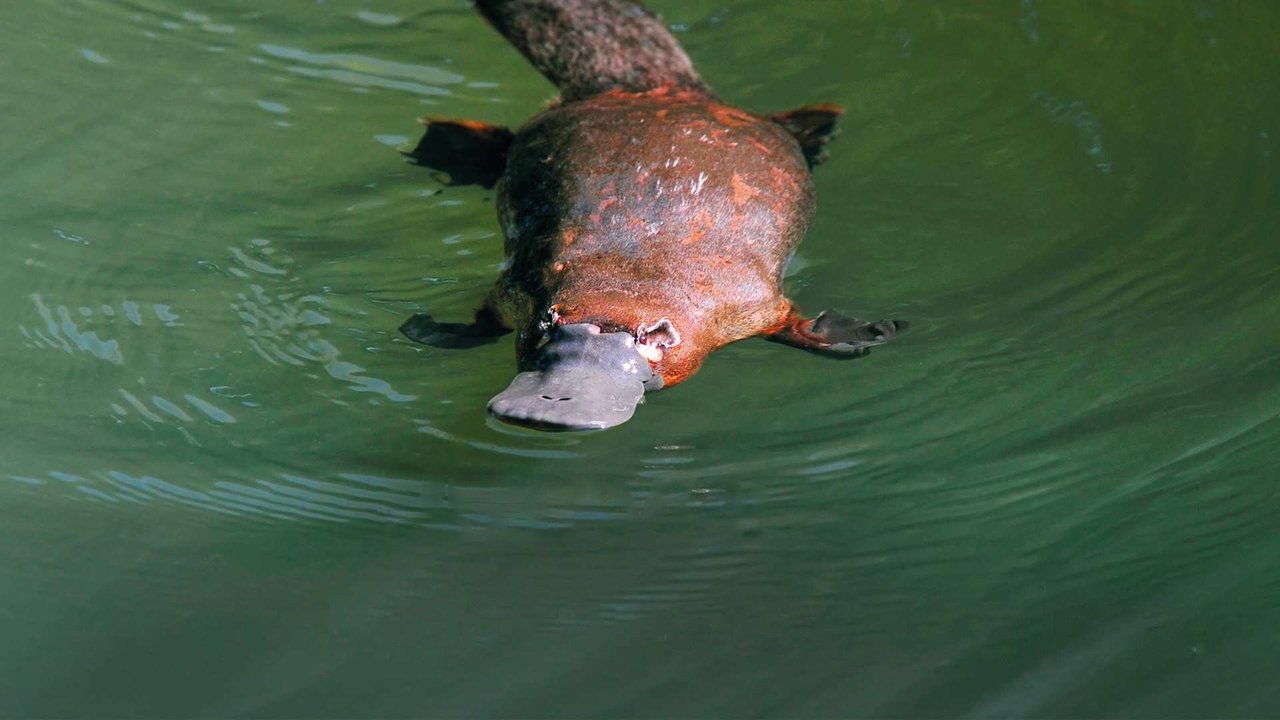
Platypus: World's Strangest Animal
★ 9 · 2003 · 52m · Documentary
One of only two living mammals to lay eggs, the platypus has baffled and inspired the scientific community for hundreds of years. Three years in the making, this stunning natural history film takes us down the East Coast of Australia to the many serenely beautiful habitats of the platypus. Technology specially created for this film captures images from inside the nesting chamber of a wild platypus, and records the extraordinary sounds of the mother suckling her offspring. We watch as they grow from newborns to adulthood. Join renowned documentary makers David Parer and Elizabeth Parer-Cook (Dragons of Galapagos, Wolves of the Sea) on this fascinating journey from the rainforests of Queensland to the frozen mountains of Tasmania, as they reveal new insights into this mysterious creature.
More Like This
The River: A Year in the Life of the Tay
2019 · ★ 7
Author Helen Macdonald follows Britain’s greatest river over four seasons, encountering salmon, beavers and the microscopic creatures helping to answer science's biggest questions.
More info →
Anthropocène, l’implacable enquête
2025 · ★ 7.5
For several decades, geoscientists have been observing that the Earth is changing rapidly due to human intervention. This action has such a great impact on the biological, geological and atmospheric processes of the Earth that some scientists speak of the dawn of a new epoch: the Age of Man or the Anthropocene.
More info →
Daughters of the Forest
2026 · ★ 10
Deep in Mexico’s mushroom-rich forests, two women from indigenous communities have become mycologists. This immersive sci-fi documentary follows their unusual, fungi-driven paths as they seek to reconcile the past and present while reimagining the future for themselves and the changing world they inhabit.
More info →
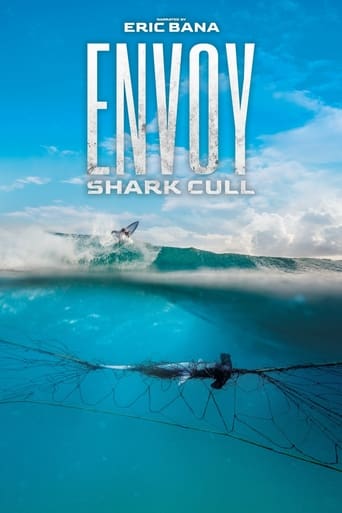
Envoy: Shark Cull
2021 · ★ 7.3
Envoy: Shark Cull is a fascinating, deeply moving documentary narrated by Eric Bana, which sheds light on the real story behind the coastal ‘shark safety’ programs in Queensland and New South Wales. The current methods of baited drum-lines and nets have not only been scientifically proven to be ineffective in protecting swimmers and surfers, leaving them at risk in the sea, but these outdated solutions continue to be allowed to negatively impact entire marine ecosystems—including the Great Barrier Reef. Follows some of the biggest names in ocean conservation, such as Sea Shepherd, Ocean Ramsey and Madison Stewart. We will join these experts as they explore and expose this scarcely understood topic. We will also learn the importance of sharks in our oceans while uncovering the longest marine cull in history.
More info →
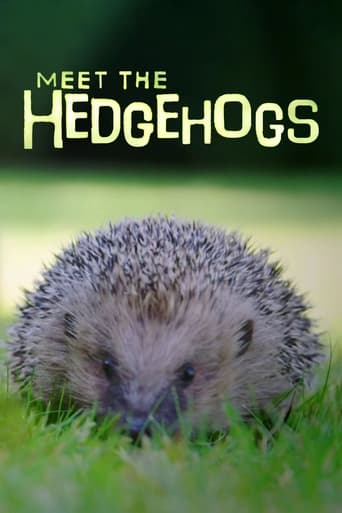
Meet the Hedgehogs
2017
Steve Backshall visits a hedgehog rescue centre in Surrey founded by Brian May. He meets the dedicated staff and discovering the stories behind some of the animals being treated, helps to release a successfully treated hedgehog back into the wild, and offers advice on how to make a garden into a welcoming environment for the creatures.
More info →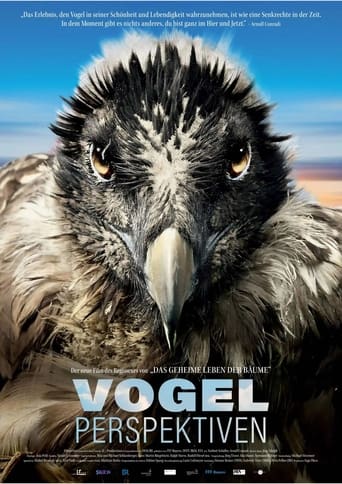
Bird's Eyeview
2022 · ★ 6.5
Director Jörg Adolph accompanies ornithologist Dr. Norbert Schäffer, chairman of the Bavarian Society for the Protection of Birds (LBV), on his mission to save bird life. We embark on an emotional and diverse journey of discovery into the fascinating world of birds and experience species and nature conservation in action.
More info →
The Arctic Fox: Still Surviving
2015
A beautiful filmed short documentary about the life cycle of the arctic fox. A treat for nature and animal lovers alike.
More info →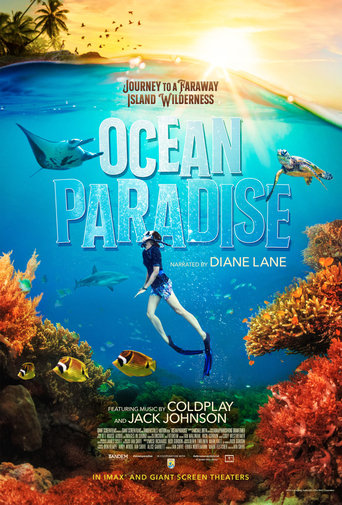
Ocean Paradise
2019
OCEAN PARADISE unveils the secrets of the Pacific Ocean’s most remote islands and marine national monuments, immersing viewers in the pristine beauty of distant landscapes and reefs that defy the encroachment of civilization. This spellbinding adventure provides audiences with new insights and appreciation for the wonders of nature, and our efforts to preserve these almost-sacred places for future generations.
More info →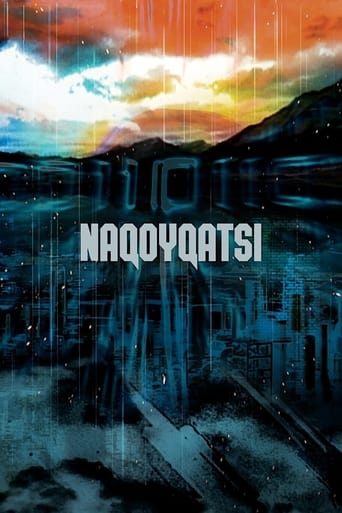
Naqoyqatsi
2002 · ★ 6.2
A visual montage portrait of our contemporary world dominated by globalized technology and violence.
More info →