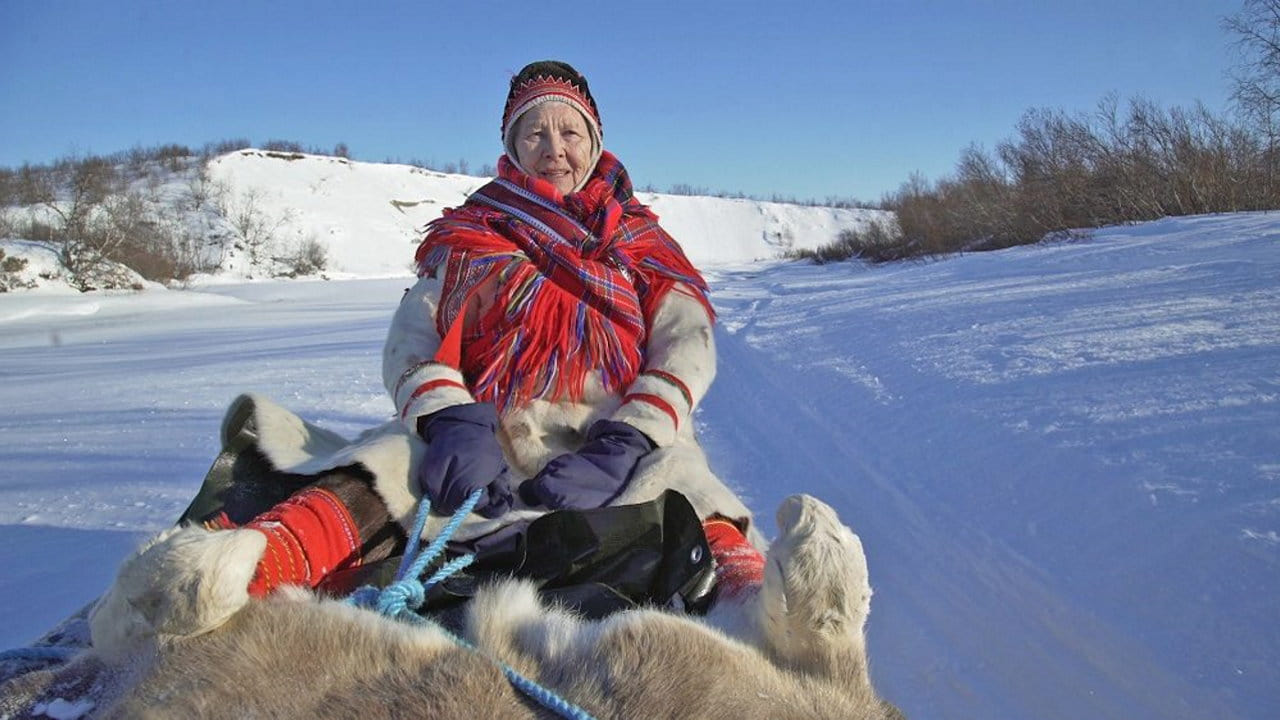
Into the Land of Ice and Fire
2022 · 90m · Documentary
Two parallel stories are gradually unfolding the everyday life of two very different persons - that of 86-year-old Sara and 7-year-old Mihka - both residing in Guovdageaidnu - Kautokeino, in the middle of the Norwegian arctic tundra, through the drastic change of the arctic seasons and the passage from the long winter’s darkness to the never-ending light of the summer season.
More Like This
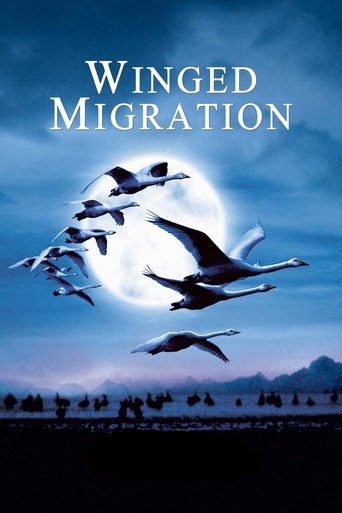
Winged Migration
2001 · ★ 7.6
This documentary follows various migratory bird species on their long journeys from their summer homes to the equator and back, covering thousands of miles and navigating by the stars. These arduous treks are crucial for survival, seeking hospitable climates and food sources. Birds face numerous challenges, including crossing oceans and evading predators, illness, and injury. Although migrations are undertaken as a community, birds disperse into family units once they reach their destinations, and every continent is affected by these migrations, hosting migratory bird species at least part of the year.
More info →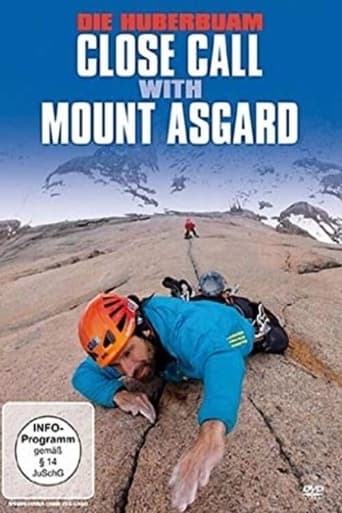
Die Huberbuam - Close Call with Mount Asgard
2014 · ★ 4.2
The climbing brothers Thomas and Alexander Huber (Germany) attempt to conquer free the infamous "Bavarian Direttissima" (upper tenth degree of difficulty) on the iconic Mt. Asgard on the Arctic Baffin Island (Canada). A 40 days expedition with polar bears, frostbite and climbing at the peril of their lifes.
More info →
Wimme
2001
Wimme Saari is one of the best known Sami yoikers from Finland. He combines traditional Sami singing with his own improvisations, usually to a techno-ambient accompaniment by members of Finnish electronic group RinneRadio. Wimme has also appeared on the albums of other bands or musicians, for instance Hedningarna, Nits or Hector Zazou.
More info →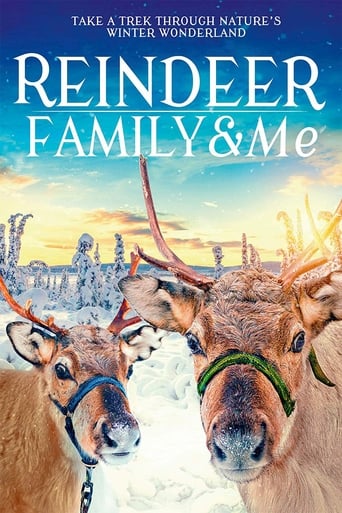
Reindeer Family & Me
2017
Wildlife cameraman Gordon Buchanan travels to the frozen north, deep inside the Arctic Circle, to meet the ancient Sami people and the animals they hold so close - reindeer.
More info →Knud
1965 · ★ 7
An analysis of the spirit and human qualities of Knud Rasmussen, who made a unique contribution to the exploration of the life and myths of the Polar Inughuit.
More info →
Worlds of Ice
2022
From the territories of the Arctic to the farthest reaches of the universe, Worlds of Ice shows us the astonishing omnipresence of ice.
More info →
Kluane
1981 · ★ 9
Kluane National Park is situated in the Yukon area of northern Canada and is a research paradise for glaciologists, geologists and other scientists. Mountaineers come to scale the impressive heights. Animals are free to roam, protected by stringent legislation. This film reveals many facets of this beautiful park, which has been declared a protected zone by UNESCO.
More info →
Islands of the Frozen Sea
1958 · ★ 7
This short documentary offers a look at the life forms on the Queen Elizabeth Islands within the Arctic Circle. Even in this frigid zone of icebergs and glaciers a surprising variety of wildlife and vegetation is seen. Writings from the logbooks of early explorers provide vivid descriptions of scenes as arresting to them in their century as to today's explorer. Note: Originally produced for the television series Perspective, this film was distributed separately on 16mm for schools and libraries, qualifying it as a standalone documentary.
More info →
America's arctic – A Refuge Imperiled
2020 · ★ 7
The wildlife of the tundra on Alaska's north coast is particularly threatened by climate change.
More info →
Isogaisa - the movie
2014
The Isogaisa festival runs for a week starting with lectures, workshops and nature walks from Monday until Thursday and then has its main events during the weekend. Another festival in this area of Norway is Riddu Riddu that is similar in the way that it has a focus on Sami culture and connection to other indigenous people but is without the focus on shamanism, traditional beliefs and practices. The festival 2014 included joiking courses, name giving ceremonies, shaman performances, chocolate ceremony, concerts, folklore, dance parties, nightlife, archery training and much more.
More info →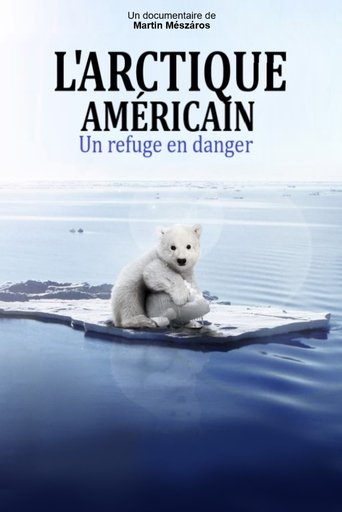
Arctic
2020 · ★ 8
This film shows the splendor, enormous scope and indescribable beauty of this untouched land far to the north of Alaska, one of the last havens for caribou herds and polar bears. Shot over a period of four years, this film offers a unique insight in the lives of the most charismatic arctic animals.
More info →