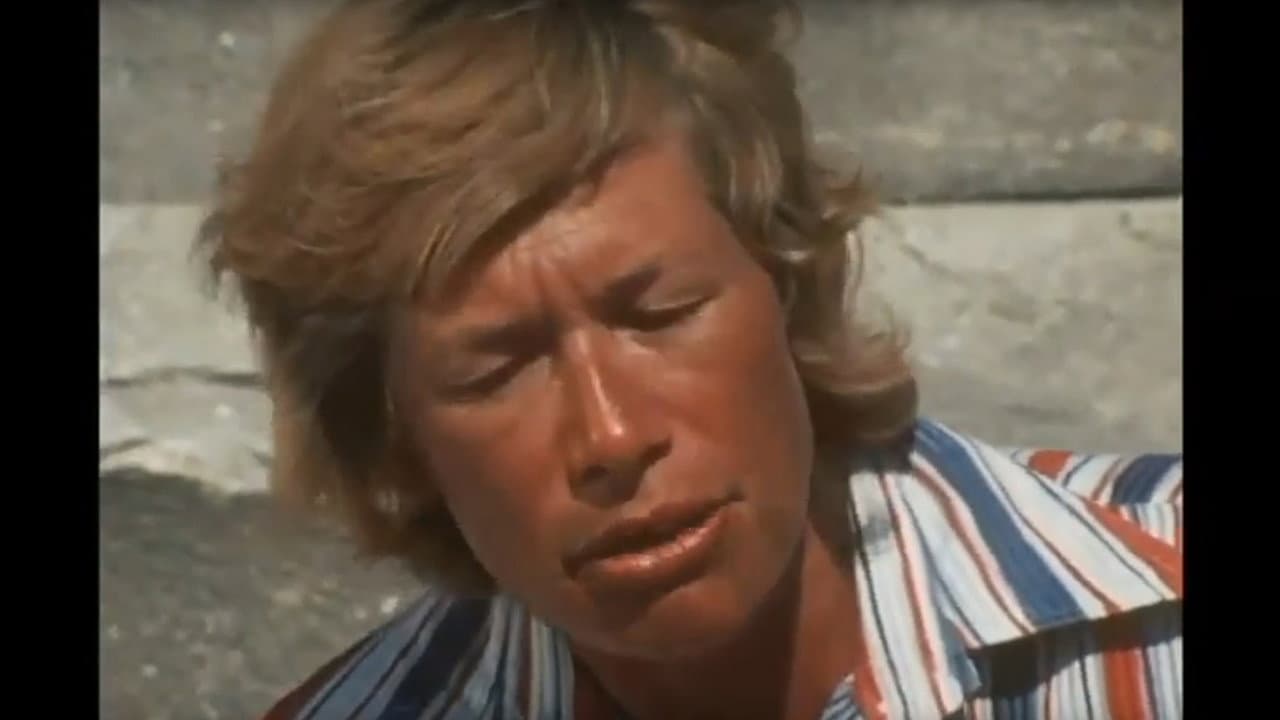
Search for the Goddess of Love
★ 3 · 1971 · 51m · TV Movie · Documentary · History
CBS News presents a Smithsonian adventure featuring Iris Love and narrated by Walter Schirra produced by CBS News in association with the Smithsonian Institution (1971).
More Like This
The Guanche Mummies of Tenerife
2020
Documentary that discovers all the secrets of mummification in the Canary Islands thanks to pioneering research. Regis Francisco López approaches the mummification techniques that took place in Tenerife for more than 10 centuries.
More info →
Run, Melos!
1992 · ★ 6
The movie tells the story of Melos, a Greek country man that gets arrested and accused of conspiracy against the king. He gets three days to travel to his sister's wedding while Selinentius (Selinae), a genius sculptor that Melos just met stays as a hostage.
More info →


This Magnificent Cake!
2018 · ★ 6.7
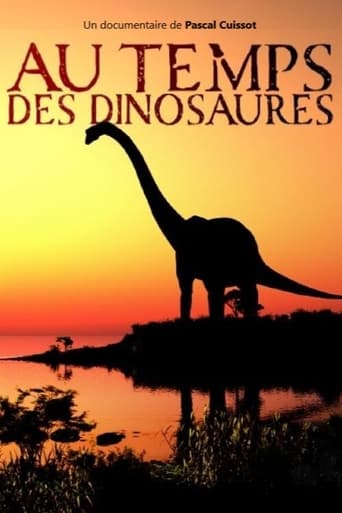
In 1885, Africa is a succulent cake destined to be wildly divided and everyone wants a piece. A disturbed European king, a Pygmy working in a luxury hotel, a successful but lonely businessman, an enslaved porter, a young army deserter, a ghostly clarinetist. Some benefit from colonialism and greed. Others suffer racism and violence.
More info →
The Pearl Button
2015 · ★ 6.9
The ocean contains the history of all humanity. The sea holds all the voices of the earth and those that come from outer space. Water receives impetus from the stars and transmits it to living creatures. Water, the longest border in Chile, also holds the secret of two mysterious buttons which were found on its ocean floor. Chile, with its 2,670 miles of coastline and the largest archipelago in the world, presents a supernatural landscape. In it are volcanoes, mountains and glaciers. In it are the voices of the Patagonian Indigenous people, the first English sailors and also those of its political prisoners. Some say that water has memory. This film shows that it also has a voice.
More info →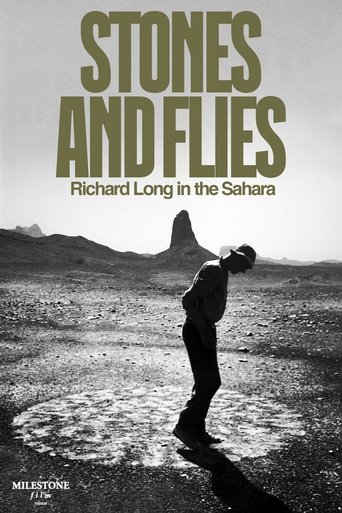
Stones and Flies: Richard Long in the Sahara
1988 · ★ 10
In the fall of 1987, Philippe Haas accompanied the sculptor Richard Long to the Algerian Sahara and filmed him tracing with his feet, or constructing with desert stones, simple geometric figures (straight lines, circles, spirals). In counterpoint to the images, Richard Long explains his approach. Since 1967, Richard Long (1945, Bristol), who belongs to the land art movement, has traveled the world on foot and installed, in places often inaccessible to the public, stones, sticks and driftwood found in situ. His ephemeral works are reproduced through photography. He thus made walking an art, and land art an aspiration of modern man for solitude in nature.
More info →
Joan Miró, the Inner Fire
2016 · ★ 7.2
The work of painter Joan Miró is more alive than ever 35 years after his death. Grandson Joan Punyet travels the world and paints the picture of his grandfather-seeker, for whom freedom in creation was a necessity. Miró was very attached to his homeland and this is regularly reflected in his often experimental concepts. Fellow artists talk about their collaboration with Miró and rare images show us the artist at work, right up to his last days.
More info →
Braddock's Road: A Legacy Unearthed
2022 · ★ 7
Built in 1755 at the height of the French and Indian War, Braddock's Road was one of the nation's most infamous military roads. Traces of this historic route, in western Maryland, still remain, buried beneath soil and brush, and a team of archaeologists is on the hunt.
More info →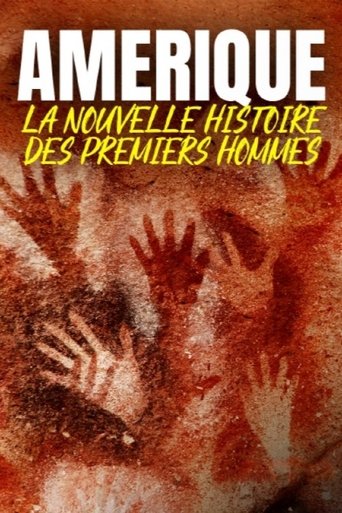
Amérique, la nouvelle histoire des premiers hommes
2023 · ★ 8.3
From the far north of Canada to the southern tip of Chile, through the southern United States, central Mexico and the Brazilian Mato Grosso, new concordant but still controversial archaeological discoveries have brought a new paradigm to the archaeology of American prehistory: the appearance of the first humans on the continent could date back to nearly 30,000 years before our era, that is to say, about 15,000 years earlier than the commonly accepted and taught thesis. Although there were a few mavericks in the past who disputed the scenario according to which the first ancestors of Americans arrived on foot through the Bering Strait 16,000 years ago, they were long kept out of the scientific community.
More info →