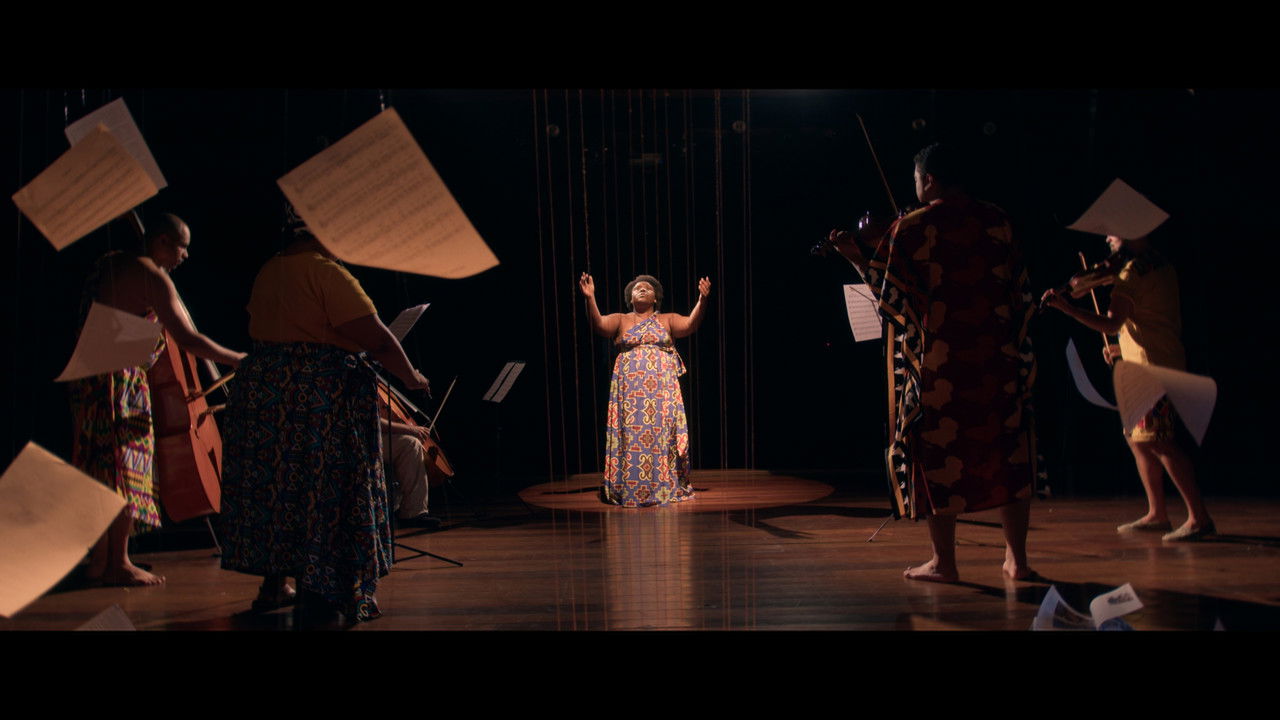
Música Clássica é pra Quem?
2025 · Documentary
More Like This
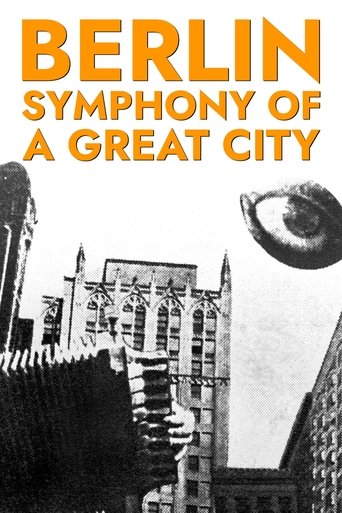
Berlin: Symphony of a Great City
1927 · ★ 7.5
A day in the city of Berlin, which experienced an industrial boom in the 1920s, and still provides an insight into the living and working conditions at that time. Germany had just recovered a little from the worst consequences of the First World War, the great economic crisis was still a few years away and Hitler was not yet an issue at the time.
More info →
Víkingur Ólafsson - My Favourite Melodies
2025
Acclaimed pianist Víkingur Ólafsson shares his deep connection with music, from Icelandic songs to the works of Bach, Mozart, Rameau, and Philip Glass. He explores how these pieces shaped him and how his feelings differ when performing works like the Goldberg Variations or Bartok’s Folk Song. Ólafsson invites us into his world where musical knowledge, Nordic roots, and creativity merge in his interpretations.
More info →
Samuel Barber: Absolute Beauty
2017 · ★ 10
Known for his mournful "Adagio for Strings," Samuel Barber was never quite fashionable. This acclaimed film is a probing exploration of his music and melancholia. Performance, oral history, musicology, and biography combine to explore the life and music of one of America’s greatest composers. Features Thomas Hampson, Leonard Slatkin, Marin Alsop and many more of the world's leading experts on Barber's music, with tributes from composers Leonard Bernstein, Aaron Copland, Virgil Thomson and William Schuman. The film was broadcast on PBS, and screened at nine film festivals internationally, with three best-of awards. It was named a Recording of the Year 2017 by MusicWeb International.
More info →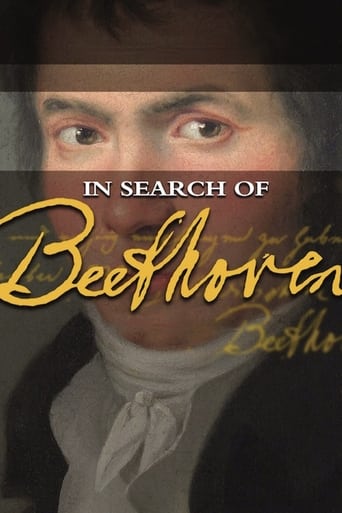
In Search of Beethoven
2009 · ★ 6.2
In Search of Beethoven offers a comprehensive documentary about the life and works of the great composer. Over 65 performances by the world's finest musicians were recorded and 100 interviews conducted in the making of this beautifully crafted film. Eleven interviews are included in the Extras and Six complete movements.
More info →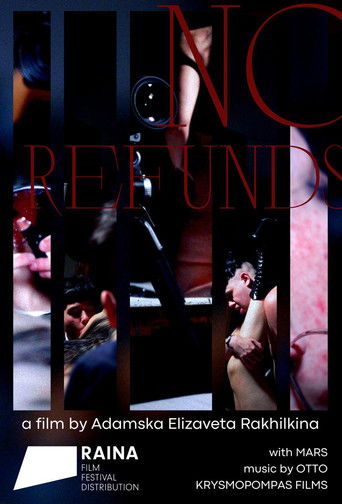
No Refunds
2026
"No Refunds" is a visceral, tangled descent into the transactional dynamics of intimate encounters, told through the language of bodies, sheets, and reflections, where the purchase of queer sex work is laid bare. As the filmmaker simultaneously takes on the roles of client and audience, the boundaries between documentary and performance fade, unraveling the artifice at the heart of sex work and the act of filmmaking.
More info →
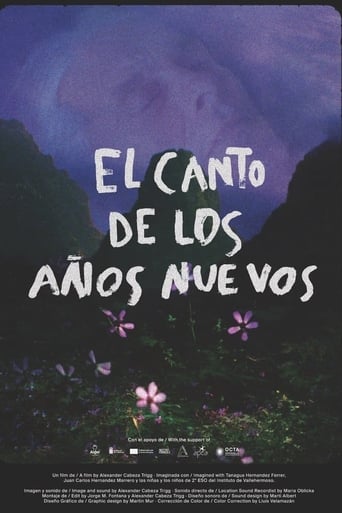
The Song of the Years to Come
2024
On the island of La Gomera, children imagine stories while they examine archeological remains. An ethno-fictional journey in which past and present coalesce, creating resonances between the volcanic landscape and Silbo, the whistled language of the island.
More info →
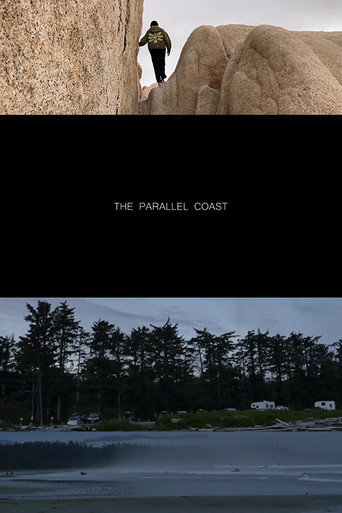
The Parallel Coast
2024
A story of The Map and The Territory. Shot in BC, California, and Nevada. Original music by Tashi Townley, Jack Brintnell, Luc Wiebe, and George Lee.
More info →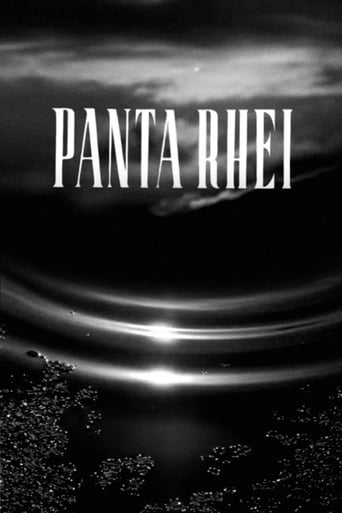
Panta Rhei
1952 · ★ 6.4
In 1952, Haanstra made Panta Rhei , another view of Holland through the eyes of a painter and filmmaker. Its poetic images of water, skies and clouds reflect Haanstra's own moods.
More info →Boulez at 80
2005
Pierre Boulez conducts the BBC Symphony Orchestra and Chorus in a special concert from the Barbican, as part of the composer's 80th birthday celebrations. The programme contains two compositions by Debussy; Jeux and Trois ballades de Villon, as well as Daphnis et Chloé by Ravel, featuring soprano Elizabeth Atherton as soloist.Presenter Charles Hazlewood interviews Boulez and discusses the concert with guest Sir Peter Maxwell Davies.
More info →