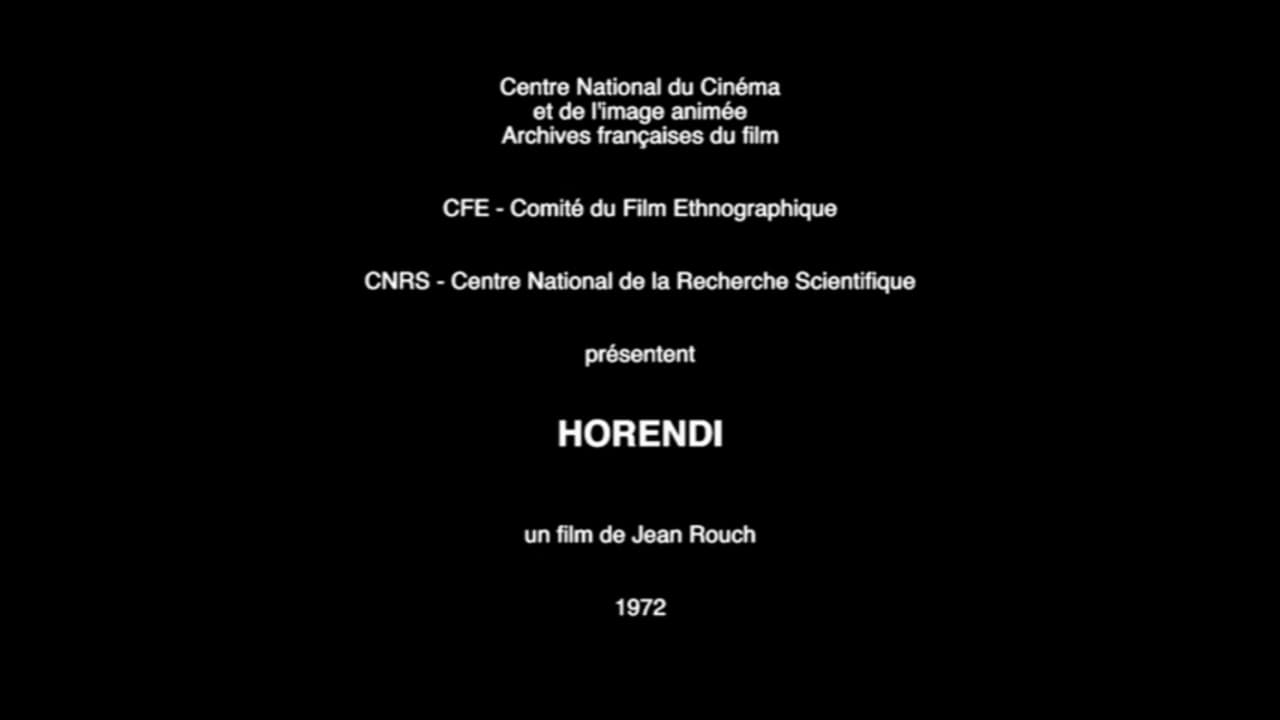
Horendi
★ 8.6 · 1972 · 72m · Documentary
A seven-day initiation ceremony is documented in which two women undergo ritual healing following a diagnosis of spirit possession, presented without narration, intertitles, or explanatory commentary.
More Like This
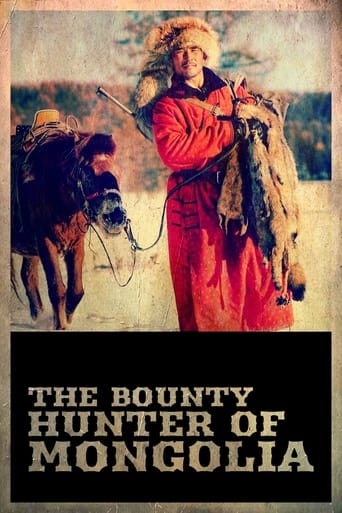
The Bounty Hunter of Mongolia
2021 · ★ 8
In the Darhat valley in northern Mongolia, the horses of nomadic tribes are stolen by bandits who then sell them to Russian slaughterhouses. Shukhert, a brave horseman, relentlessly pursues them through the Mongolian taiga, bordering Siberia.
More info →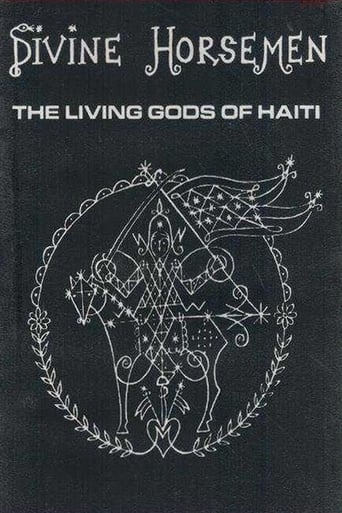
Divine Horsemen: The Living Gods of Haiti
1993 · ★ 6.1
This intimate ethnographic study of Voudoun dances and rituals was shot by Maya Deren during her years in Haiti (1947-1951); she never edited the footage, so this “finished” version was made by Teiji Ito and Cherel Ito after Deren’s death.
More info →Atilogivu: The Story of a Wrestling Match
1982
While no wrestling is actually depicted, Atilogivu: The Story of a Wrestling Match documents gymnastic dancing to drum and flute music of the Ibu people, east of the River Niger.
More info →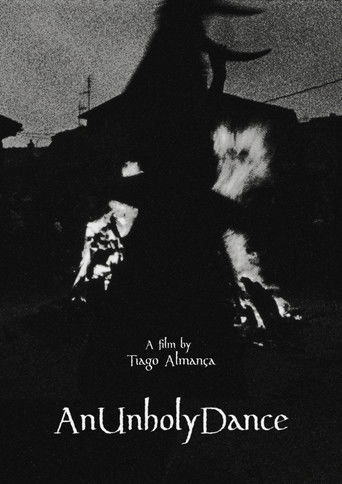
An Unholy Dance
2026
Every winter, a small town in Castilla-La Mancha called Luzón transforms into a little hell. Its inhabitants, dressed as devils, venture into the darkness and roam its streets with horns, bells, and smeared with soot. Una dança non sancta could have been just an anthropological documentary. Instead, it delves into the inferno with the town’s residents to participate in and immortalize this unholy ritual.
More info →An Afghan Village
1974 · ★ 10
A collage of daily life in Aq Kupruk builds from the single voice that calls the townspeople to prayer, the brisk exchange of the baazar, communal labor in the fields, and the uninhibited sports and entertainment of rural Afghans. The theme of the film focuses on rural society. The film and accompaning instructor notes explore concepts of development, modernization, environmental equilibrium, and especially change, identifying change agents, and analyzing barries and stimulants to change.
More info →
Hombres de barro
1988 · ★ 8
A group of filmmakers travel to a Kolla community in Salta to film their folkways. We see all aspects of their life: farming, herding, cooking, football, and making music during a Pachamama festival. In the course of filming, the leader of the Kolla community changes the filmmakers' view of what the documentary should be, and at the end of their visit they are changed. "La vida se puede ir amasando, como el barro": As life goes along, it becomes more pliant, like clay. An announcement at the beginning of the film states that this is neither fiction nor documentary, but I'd say it's closer to documentary.
More info →
Aloni
2022
A young student heads back to his village during the COVID-19 lockdown to collect ethnographic material for his thesis, but as quarantine stretches on, the rituals and everyday scenes he records start bringing back childhood memories-leading him to piece the footage together into something more personal.
More info →Afghan Nomads (The Maldar)
1974 · ★ 8
At dawn a nomad caravan descends on Aq Kupruk from the foothills of the Hindu Kush. In their camp, and in commerce with the townspeople, the Maldar reveal the mixture of faith and distrust that has kept nomads and sedentary people separate and interdependent over the centuries. The theme of the film focuses on political and religious beliefs. The film and accompanying instructor notes in this series embrace five different and complex units of analysis concerning how political change occurs; individual attitudes, ethnic identity, national loyalties, institutional affiliations, and ideological beliefs.
More info →
The Big Everything
2025 · ★ 8
How’s the Big Everything? Garba asks Nicole. For them, the “Big Everything” encompasses family, politics, History, daily life, the stars, small things, and time passing like the wind. By delving into their memories, at the time of Niger’s independence, we come face to face with the complexity of the present.
More info →
Drums from the Past
1971 · ★ 6.3
Filmed in May 1971 in Niger, this short documentary records a possession ritual performed by the Simiri people in response to a locust invasion. The ceremony centers on the beating of the archaic drums Tourou and Bitti, used to invoke spirit forces through music, dance, and trance. Shot in a single continuous take, the film documents a concentrated moment of collective ritual practice, reflecting Jean Rouch’s first-person ethnographic approach and direct participation in the event.
More info →