Pity the Pilot Whale
2014 · Documentary
Pilot whales are one of the least known of all small whales, and in spite of their name they are one of the largest species of dolphins. Pity the Pilot Whales takes us on an ocean journey, revealing many facets of pilot whale lore that few knew anything about. Why do these highly-intelligent marine mammals strand by the hundreds in certain regions of their known habitat? How do they communicate with one another? How do they find food in the deep dark ocean realm. This film is also a window on how two modern island nations treat these animals, and a statement on humanity and ethics.
More Like This
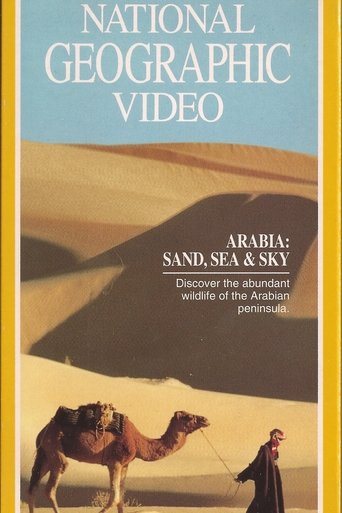
Arabia: Sand, Sea & Sky
1991
Take A Spectacular Journey. It Starts Right Here... Arabia: Sand, Sea & Sky Take a stunning tour of Arabia's natural world- a land of vivid contrast and splendor. Your journey begins in the magnificent coral reefs of the Red Sea where barracuda, giant mantra rays, and sharks comb the fertile waters. Then, high in the cliffs of the great mountain barrier, you will be fascinated by the complex social behavior of a troop of baboons. As you descend into the foothills, thousands of migrating birds converge, including the flamboyant Abyssinian Roller which will dazzle you with its brilliant feathers and swooping aerobatic dives. Finally, travel by camel across the immense sculptured desert, as the Bedouins have for more than thirty-five hundred years on an expedition you will never forget in ARABIA: SAND, SEA, & SKY.
More info →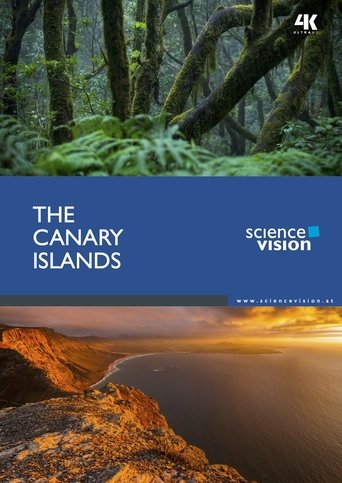
The Canary Islands
2016 · ★ 9
There are few places on earth that have such a diverse variety of terrain and range of climates concentrated in a relatively small area - temperate coastline, scorching arid deserts and tundra, tropical rainforests and frozen snowcapped mountains. And there are few places that are as heavily exploited by humans, yet remain a wilderness.
More info →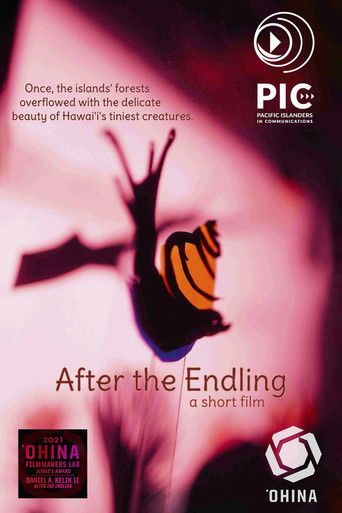
After the Endling
2022 · ★ 6
A shadow puppet film inspired by the story of an extinct Hawaiian tree snail (pūpū kani oe) named Lonely George.
More info →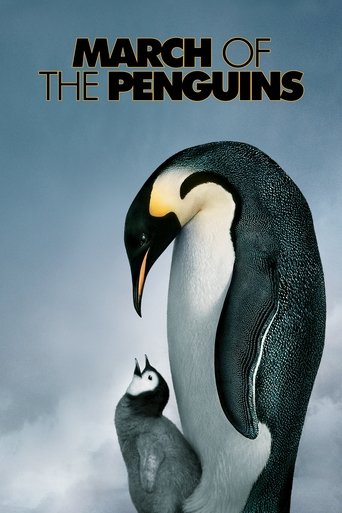
March of the Penguins
2005 · ★ 7.1
Every year, thousands of Antarctica's emperor penguins make an astonishing journey to breed their young. They walk, marching day and night in single file 70 miles into the darkest, driest and coldest continent on Earth. This amazing, true-life tale is touched with humour and alive with thrills. Breathtaking photography captures the transcendent beauty and staggering drama of devoted parent penguins who, in the fierce polar winter, take turns guarding their egg and trekking to the ocean in search of food. Predators hunt them, storms lash them. But the safety of their adorable chicks makes it all worthwhile. So follow the leader... to adventure!!
More info →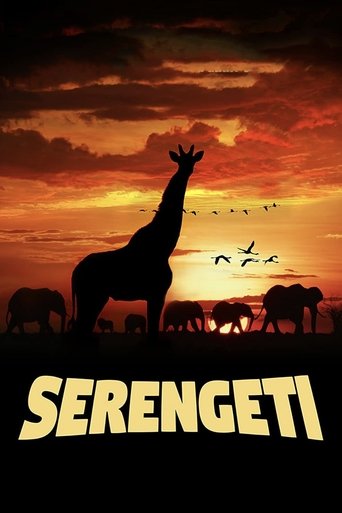
Serengeti
2022 · ★ 7.7
Africa's most iconic animals are home to the Serengeti. It is the site of one of the greatest natural spectacles in the world: the migration of millions of wildebeest. Nature has ingeniously ensured that everything that lives here, from the smallest insects to the largest mammals, has a clear role. Together they ensure a balance in the ecosystem.
More info →
Rise of the Warrior Apes
2017 · ★ 7.8
Filmed over 23 years, Rise of the Warrior Apes tells the epic story of an extraordinary troop of chimpanzees in Ngogo, Uganda – featuring four mighty warriors who rule through moral ambiguity, questionable politics, strategic alliances and destroyed trust.
More info →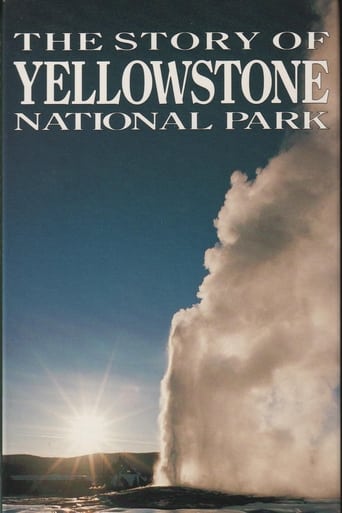
The Story of Yellowstone National Park
1991
Marvel at "Old Faithful" erupting, vast rolling forests, abundant wildlife, thundering waterfalls, gurgling hot springs and mud pots, and the beautiful, haunting wilderness. Over 2.2 million acres located in the northwest corner of Wyoming, the great Yellowstone National Park was founded in 1872. The superb camera work of Dale Johnson and Bob Landis captures the natural wonders that captivated the early mountain men of the 1840s: petrified forests, mountains of glass and rivers that cooked fish. Thrill to rare and dramatic wildlife action; an antelope doe chasing a coyote from her young, a grizzly pursuing an elk in a life and death chase, a coyote matching wits with an otter; northern elk migrating in deep snow and bighorn sheep in mating battles. See the Yellowstone fire of 1988, and the charred land in full bloom. Ride with a park range into the backcountry. Enjoy a stagecoach ride to a sunrise cookout. It's all here, the magic of the great Yellowstone.
More info →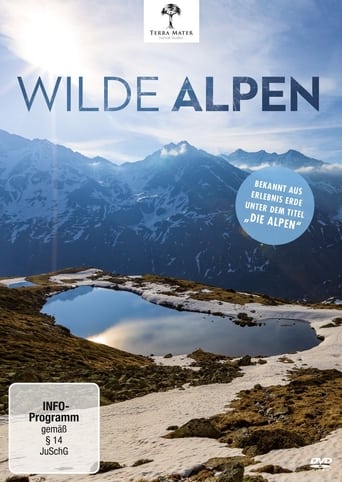
The Alps
2020 · ★ 8.3
The Alps – wild mountains, extreme lives, but also a magical world. This majestic mountain range connects eight countries and reaches heights of up to 4,000 metres above sea level. At a length of 1,200 kilometres, the Alps form both a connecting bridge between western and eastern Europe and a high barrier between southern and central Europe. The mountains act as a mighty water reservoir and continental watershed, feeding innumerable rivers that flow into three different oceans. Their highest peak, Mont Blanc, is surrounded by long, soaring mountains with ice-covered slopes. These great summits are just one reason the so-called “Roof of Europe” continues to fascinate – across the continent and around the world. The incredible diversity of landscapes, flora and fauna makes the Alps a unique natural treasure at the heart of Europe.
More info →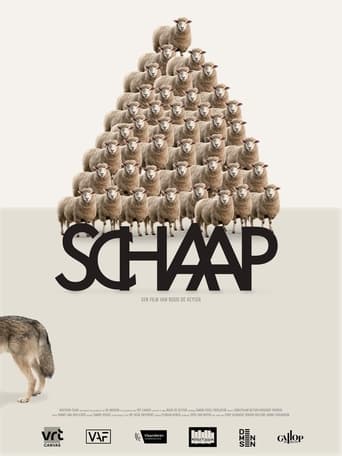
Sheep
2025
In the lush fields of northern Belgium, as winter tightens its grip, the sheep of Eddy, Jeroen, and Johny become silent witnesses of a hidden drama when a wolf is driven to the edges of human lands in search of sustenance. With the three human protagonists doing anything within their power to patronize their rights of existence, this film stands up for the least heard voice in Belgium’s brand new wolf territory: that of the bleating sheep.
More info →Ghosts of the Forest
2001
In GHOSTS OF THE FOREST daredevil bird and wildlife cinematographer, John Young is embarking on a journey into the rainforest of the tropical north to find those creatures often heard but rarely, if ever, seen.
More info →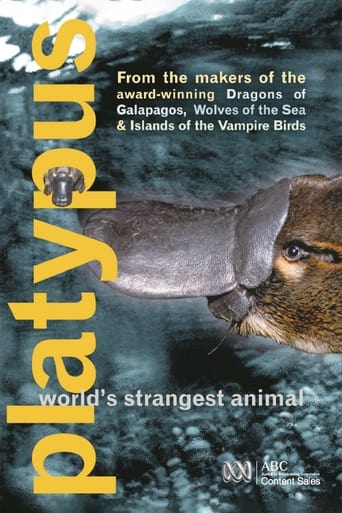
Platypus: World's Strangest Animal
2003 · ★ 9
One of only two living mammals to lay eggs, the platypus has baffled and inspired the scientific community for hundreds of years. Three years in the making, this stunning natural history film takes us down the East Coast of Australia to the many serenely beautiful habitats of the platypus. Technology specially created for this film captures images from inside the nesting chamber of a wild platypus, and records the extraordinary sounds of the mother suckling her offspring. We watch as they grow from newborns to adulthood. Join renowned documentary makers David Parer and Elizabeth Parer-Cook (Dragons of Galapagos, Wolves of the Sea) on this fascinating journey from the rainforests of Queensland to the frozen mountains of Tasmania, as they reveal new insights into this mysterious creature.
More info →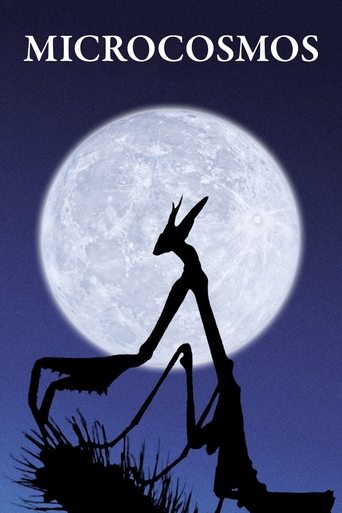
Microcosmos
1996 · ★ 7.6
A documentary of insect life in meadows and ponds, using incredible close-ups, slow motion, and time-lapse photography. It includes bees collecting nectar, ladybugs eating mites, snails mating, spiders wrapping their catch, a scarab beetle relentlessly pushing its ball of dung uphill, endless lines of caterpillars, an underwater spider creating an air bubble to live in, and a mosquito hatching.
More info →