Bermuda's Depths: Those Who Dared to Dive
50m · Documentary
Discover how William Beebe extended the boundaries of deep-sea exploration between 1930 and 1934 by submerging himself in an over-sized giant steel ball with its designer Otis Barton
More Like This
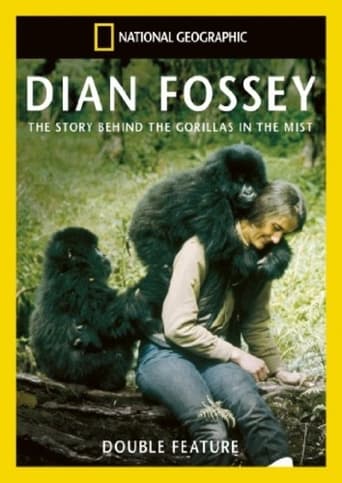
The Lost Film of Dian Fossey
2002
From 1968 to 1972, photographer and filmmaker Bob Campbell documented the activities of Dian Fossey as she developed a cross-species bond with Rwandan mountain gorillas. Campbell shot 70,000 feet of film, but only a fraction of his material was edited into the lecture presentation that preceded Fossey's Gorillas in the Mist. This program compiles highlights from the previously unreleased footage, offering an unforgettable glimpse into the gorilla community and Fossey's relationship with it. Her methods may not entirely jibe with those of modern conservationists, but there is no denying the profound impact of her work on current research and eco-activism.
More info →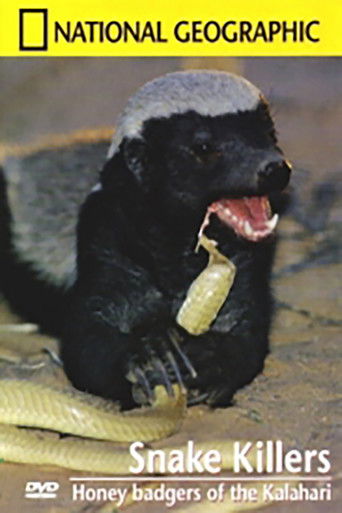
Snake Killers - Honey badgers of the Kalahari
2001
Honey badgers may look innocent, about the size of an average dog, but these fearless foragers prey on more than 60 different species in the Kalahari, including some of the region's most dangerous snakes. One honey badger was seen eating over 30 feet of snakes in just three days. Join honey badger experts-Keith and Colleen Begg- who through research, film and photography have compiled the most extensive study to date of honey badgers in the wild. Their cameras capture not only the heroic saga of a remarkable couple working in the wild, but the natural history of one of the world's most unique and extraordinary creatures" National Geographic Channel highlights.
More info →
Aliens of the Deep
2005 · ★ 6.1
James Cameron teams up with NASA scientists to explore the Mid-Ocean Ridge, a submerged chain of mountains that band the Earth and are home to some of the planet's most unique life forms.
More info →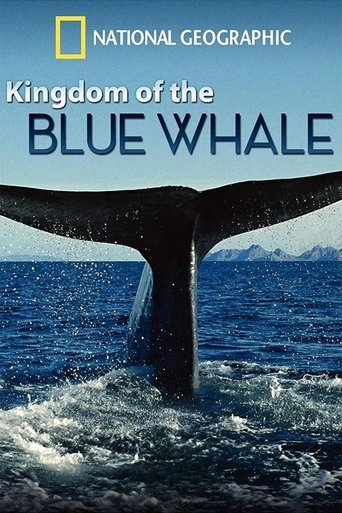
Kingdom of the Blue Whale
2009 · ★ 6.6
Supported by the National Geographic Society, the world's eminent blue whale scientists embark on a revolutionary mission: They'll find, identify, and tag California blue whales, use the DNA samples to confirm the sex of individual whales, then rejoin the massive creatures' stunning migration when they collect at a chimera known as the Costa Rica Dome.
More info →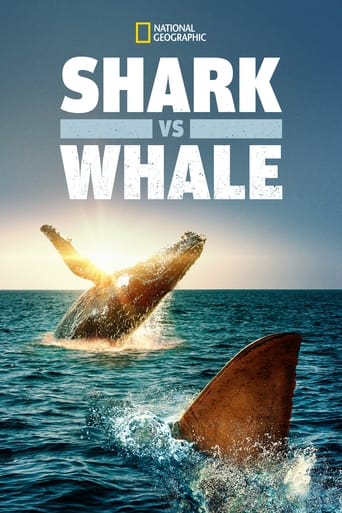
Shark Vs. Whale
2020 · ★ 8
A routine drone survey turns deadly when Ryan Johnson, a marine biologist based in South Africa, films a humpback whale being attacked and strategically drowned by a Great white shark. This is a total perspective shift for the creature.
More info →
National Geographic The Truth Behind The Loch Ness Monster
2011 · ★ 8
For centuries, people have reported sightings of a strange creature lurking within the gloomy waters of Scotland's infamous Loch, but are these accounts true or are they just another myth or giant hoax? Despite years of investigation and countless eyewitness testimonies, the riddle of this legendary brute has continued. Now, dive into the depths of this controversy using a mix of science, eye witness testimony, zoology, and psychological testing.
More info →
Yellowstone Wolves: Succession
2022
National Geographic presents Yellowstone Wolves: Succession, a captivating special that delves into the powerful and complex world of the Yellowstone wolves. In this episode, viewers will discover both the iconic wolf dynasties that have long been a symbol of the park’s wild landscape, and the newer generations that are beginning to establish their dominance in the region. Through stunning visuals and insightful narration, Yellowstone Wolves: Succession explores the intricate social structure of these packs. From the leadership of older, seasoned wolves to the rise of younger wolves stepping into crucial roles, the show offers a fascinating look at how these families evolve and survive in the rugged Yellowstone environment. The episode also highlights the challenges the wolves face, from environmental factors to competition with other predators, as they work to maintain their legacy in this iconic wilderness.
More info →
National Geographic: Australia's Great Barrier Reef
1999
Few biological wonders can rival those in Australia's Great Barrier Reef for spectacular beauty, and few filmmakers can rival National Geographic's lush photography. The giant colonial organism, though endangered by pollution and other threats, still spawns once each year in a gorgeous frenzy of new growth. It's a fertile time for all of the creatures dwelling in and around the reef structure, and the National Geographic cameras capture barracuda, bright damselfish, giant marine worms, and many other lovely and fascinating neighbors. Neville Copland's gentle music complements the serene photography, and the narration, while interesting, doesn't distract the viewer from the stunning delights on the screen. We can't all afford a diving trip down under, but Australia's Great Barrier Reef is the next best thing.
More info →
Fatal Dive to the Titanic: Truth and Lies
2024 · ★ 10
How Stockton Rush's deadly dive to the fabled Titanic wreckage in the Titan submersible became a cautionary tale about the risks of innovation.
More info →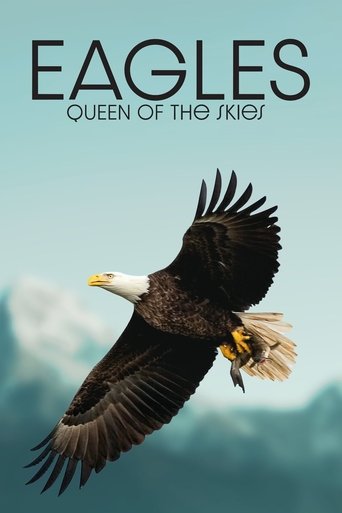
Eagles: Queen of the Skies
2015 · ★ 5
The eagle is widely regarded “the Queen of the skies”. But what makes the Eagle the Queen of the Sky? Well, a National Geographic documentary takes a look at the life of the eagle. The documentary follows the life of one individual eagle from hatching, to leaving the nest, and then setting up a home on her own. Look at the journey and the fight for survival, revealing what it really takes to become a queen of the sky for one eagle. In total, there are more than 60 members of the eagle clan. National Geographic explores their world, showing the majestic Harpy Eagle o the Amazon. The documentary features slow motion scenes, revealing the true skill of the eagle and how it catches prey from the water’s surface. In winter, on the other hand, when food is hard to find, some eagles hunt around ice floes. And that is where eagle battles occur.
More info →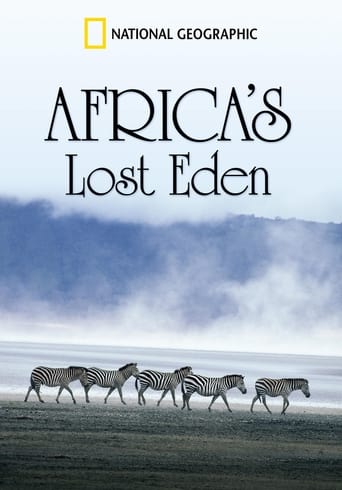
Africa's Lost Eden
2010
In the heart of Gorongosa National Park, Mozambique, the waters of Lake Urema explode with the thrashing of a giant crocodile tail. Gorongosa was once known as the place where Noah left his ark: 1,500 square miles of lush floodplains in central Mozambique, packed with wild animals. All around, enormous buffalo, soaring fish eagles, and countless antelopes roam freely. But on closer look, something strange is going on. Fifteen years of civil war has taken a heavy toll and many species have been almost completely wiped out. All the usual top predators and prey are virtually missing, except for one - giant crocodiles and thousands of them. Discover what is being done to bring this African oasis back to its former glory, including perhaps the most ambitious restoration effort ever attempted, with elephants, hippos and scores of zebra, wildebeest, impala and buffalo, being relocated into the park.
More info →