Le Horse Palace
★ 8 · 2012 · Documentary
Once one of the most densely populated neighborhoods in the country, Griffintown (in the heart of Montreal) is now dotted with vacant lots and uninhabited areas. But just around the bend, at the end of a dirt alley, the sun still rises over the Horse Palace. Leo Leonard, its owner, stands alone, fragile, like the place that embodies his whole life. At 83, Leo, the last representative of the Irish community that founded the neighborhood, must resign himself to leaving the premises.
More Like This
Winged Migration
2001 · ★ 7.6
This documentary follows various migratory bird species on their long journeys from their summer homes to the equator and back, covering thousands of miles and navigating by the stars. These arduous treks are crucial for survival, seeking hospitable climates and food sources. Birds face numerous challenges, including crossing oceans and evading predators, illness, and injury. Although migrations are undertaken as a community, birds disperse into family units once they reach their destinations, and every continent is affected by these migrations, hosting migratory bird species at least part of the year.
More info →
Beluga Days
1968 · ★ 8
From the lower St. Lawrence, a picture of whale hunting that looks more like a round-up, with a corral, whale-boys and all. In 1534, when he stopped at the island he named l'Île-aux-Coudres, Jacques Cartier saw how the Indians captured the little white beluga whales by setting a fence of saplings into off-shore mud. In the film, the islanders show that the old method still works, thanks to the trusting 'sea-pigs,' the same old tide, and a little magic.
More info →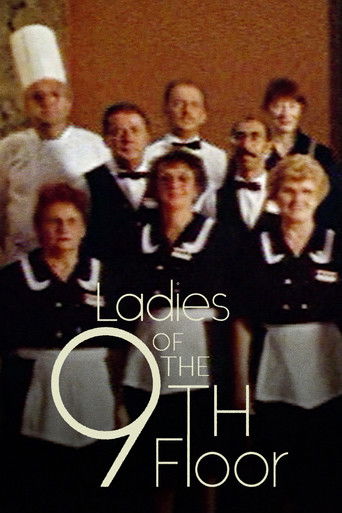
Les dames du 9e
1998
Ladies of good families and social standing come to have their afternoon tea with their daughters who will someday follow in the same tradition. A charming portrait of a time that is slowly disappearing.
More info →
Burgundy Jazz
2013
A web documentary that explores Montreal’s incredible contribution to jazz music history through the legendary black musicians of Little Burgundy – the neighbourhood that was a hub of musical creativity, private clubs and speakeasies from the Jazz Age 1920s to the Golden Era of Jazz in the 1940s and 50s. Oscar Peterson, Oliver Jones, Norman Marshall Villeneuve, the Sealey Brothers, Nelson Symonds, and Louis Metcalf are among the greats who lived or played in "Burgundy".
More info →
Léa devant la caméra
2023
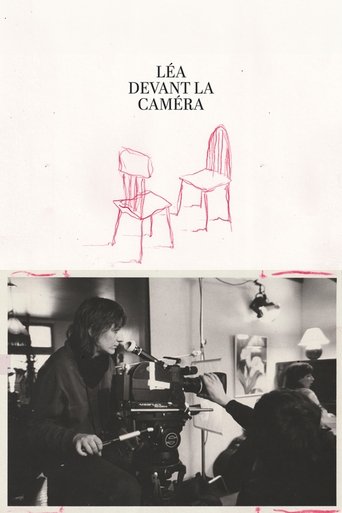
Revisiting her film set photos, director Léa Pool reflects on her prolific career. The filmmaker left Switzerland at the age of 25 to settle in Quebec and embark on a surprising career. She reinvents herself from film to film, exploring themes that deeply resonate with her: identity, exile, maternal absence, transitional spaces... In both documentary and fiction, she has directed 20 feature films that feature strong female characters and contemporary issues. Somewhere between a masterclass and an intimate conversation, this documentary invites Léa to share her cinematic journey in front of the camera.
More info →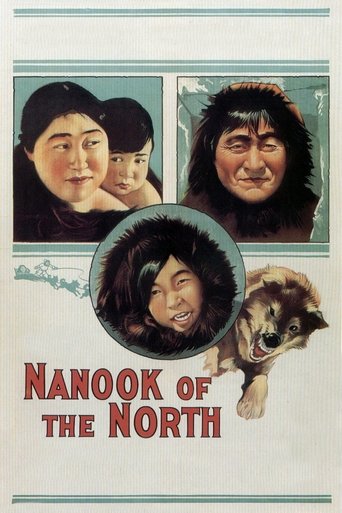
Nanook of the North
1922 · ★ 7.1
This pioneering documentary film depicts the lives of the indigenous Inuit people of Canada's northern Quebec region. Although the production contains some fictional elements, it vividly shows how its resourceful subjects survive in such a harsh climate, revealing how they construct their igloo homes and find food by hunting and fishing. The film also captures the beautiful, if unforgiving, frozen landscape of the Great White North, far removed from conventional civilization.
More info →
The Street
1996 · ★ 9
Every day, on the streets of Canada's cities, we pass them on our way to work or school. Bums, beggars, winos, bag people we call them. But who is the person at the end of that outstretched arm? What is life on the street really like? Is there a way off the street? For six years, director Daniel Cross followed the lives of three homeless men who spent much of their time in and around a Montreal subway station. Filmed in a cinema verité style, the film is unique: it humanizes the homeless, breaking down the barrier between us and them, neither moralizing nor offering easy answers. This is a gritty, compelling look at life on the streets that moves beyond the media stereotypes to show both the humanity of the homeless and the street-toughened aspects of their existence.
More info →
James Bay 1975: The Shock of Two Nations
2025
A dive into the origins of two revolutions: the rapid expansion of Hydro-Québec with the construction of the La Grande hydroelectric power plant, a project championed by Premier Robert Bourassa, and the awakening of Indigenous nations. A clash of civilizations where two worldviews collide. Quebec, buoyed by the momentum of the Quiet Revolution, takes control of its destiny. Meanwhile, in the North, young Inuit and Cree rise up for the first time to protect what is most precious to them: their land and their culture. At the heart of the conflict is the James Bay construction site, the largest of its kind in North America.
More info →