Nicaragua, una patria libre para vivir (la insurrección de los nietos de la revolución sandinista)
2021 · Documentary
More Like This

Scenes For A Revolution
1991
The film is about aftermaths and reckonings. Revisiting material for his earlier 4-part series, Karlin returns to Nicaragua to examine the history of the Sandinista government, consider its achievements, and assess the prospects for democracy following its defeat in the general election of 1990.
More info →
Nicaragua Part 1: Voyages
1985
Composed of stills by renowned Magnum photographer Susan Meiselas taken in 1978 and 1979 during the overthrow of the fifty-year dictatorship of the Somoza family. Written in the form of a letter from Meiselas to Karlin, it is a ruminative and often profound exploration of the ethics of witnessing, the responsibilities of war photography and the politics of the still image.
More info →
Nicaragua Part 2: The Making of a Nation
1985
Shot in 1983–84 and focusing on the work of the Historical Institute, this film witnesses how Nicaraguans are recovering their history, the memory of Sandino’s struggle, to transform their sense of identity.
More info →
Nicaragua Part 3: In Their Time
1985
Through the eyes of journalists and photographers working at Barricada, the official publication of the FSLN, the film observes the problems of putting socialism into practice, with reports on the war, the economy, the prison system and the political process leading up to the 1984 elections.
More info →Nicaragua Part 4: Changes
1985
A portrait of a remote area in the rural north of Nicaragua facing difficulties with the revolutionary process. It follows Marlon Stuart, the regional FSLN political organiser, at the time of the 1984 elections.
More info →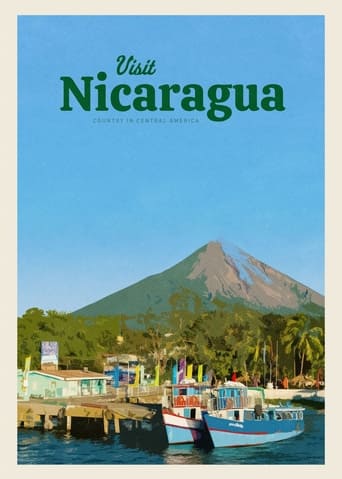
The Most Beautiful Places in Nicaragua
2019 · ★ 10
Nicaragua land of lakes and volcanoes and this video will show you the most touristic places in Nicaragua, among them stand out the city of Leon, El Canyon de Somoto, Chinandega, Granda, Masaya, among others. Music: Nicaragua Mia - The Best Of Tino Lopez Guerra.
More info →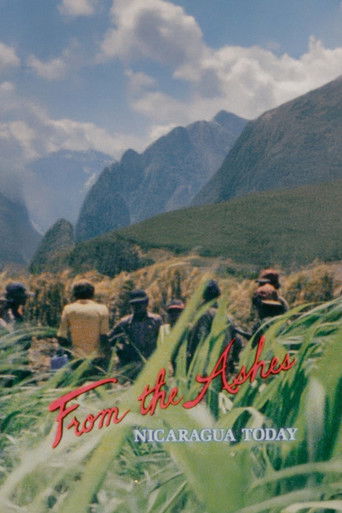
From the Ashes: Nicaragua Today
1982
In this documentary portrait of post-revolutionary Nicaragua, director Helena Solberg follows the Chavarría family while examining the broader social and political changes following the 1979 overthrow of the Somoza dictatorship. Interweaving personal testimony with archival footage of U.S. intervention, revolutionary struggle, and national reform efforts, the film reflects on the hopes and tensions shaping the country’s future.
More info →
Big Boys Gone Bananas!*
2011 · ★ 6.8
The conflict between Dole Food Company and Swedish filmmaker Fredrik Gertten unfolds dramatically in the documentary "BIG BOYS GONE BANANAS!" as the corporation attempts to suppress Gertten's earlier film, "BANANAS!"—chronicling Nicaraguan workers' lawsuit against Dole. Initially selected for the 2009 Los Angeles Film Festival, "BANANAS!" was abruptly removed from competition, followed by a negative article in the Los Angeles Business Journal and legal threats from Dole's attorneys. Gertten captures this saga of corporate intimidation, media manipulation, and legal challenges in his documentary, showcasing the struggles documentary filmmakers face and highlighting the threat to freedom of speech posed by powerful corporations protecting their reputations.
More info →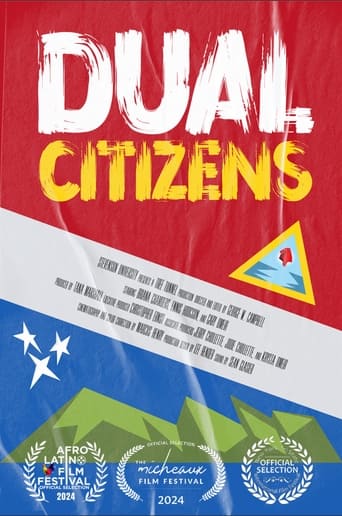
Dual Citizens
2024
Three Nicaraguan-American artists from the Washington D.C. Metro area discuss growing up in two cultures and how it influences their art.
More info →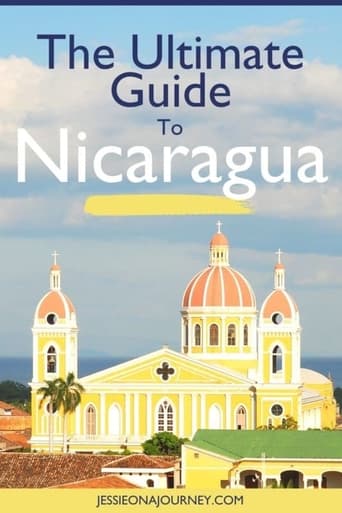
Visit Nicaragua
2001 · ★ 10
Looking for a few reasons why you should visit Nicaragua? Considering the country's two incredible coastlines, almost 20 volcanoes, lively colonial cities, abundant wildlife, rich culture, and delicious food, it won't be hard to convince you to put “visiting Nicaragua” at the top of your travel bucket list! Nicaragua, set between the Pacific Ocean and the Caribbean Sea, is a Central American nation known for its dramatic terrain of lakes, volcanoes and beaches. Vast Lake Managua and the iconic stratovolcano Momotombo sit north of the capital Managua. To its south is Granada, noted for its Spanish colonial architecture and an archipelago of navigable islets rich in tropical bird life.
More info →