Kimana Tuskers
2021 · 12m · Documentary
There are fewer than 20 tuskers left on earth, where ivory still sweeps the ground. Filmed throughout the Greater Amboseli ecosystem in Kenya, Kimana Tuskers is a short film of epic proportions. Follow the famous tusker known as Craig, and the younger elephant bulls who entrust their lives to him as they navigate a vanishing landscape through the Kimana Wildlife Corridor. This is the passage of experience, a brotherhood, built on respect, trust and loyalty, and what awaits them is the promised land, so that one day their sons will rise to be kings…
More Like This
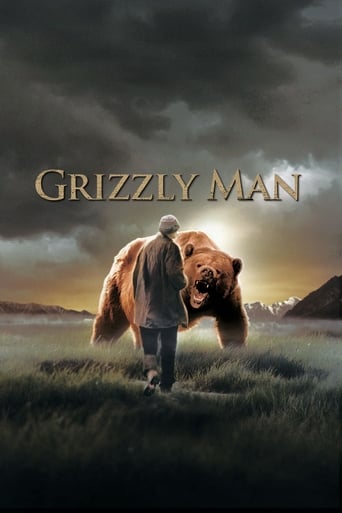
Grizzly Man
2005 · ★ 7.5
Follows the story of "Grizzly Man" Timothy Treadwell and what the thirteen summers in a National Park in Alaska were like in his attempt to protect the grizzly bears. The film is full of unique images and a look into the spirit of a man who sacrificed himself for nature.
More info →
Phainesthai
2018
Phainesthai explores the Tallgrass Prairie National Preserve that is located at the geographical center of the United States and is considered one of the most scarce and endangered ecosystems in the world. The film is an experiential non-verbal documentary addressing how geological and ecological memory can engage individual experience by the embodiment of place with human understanding and aspirations.
More info →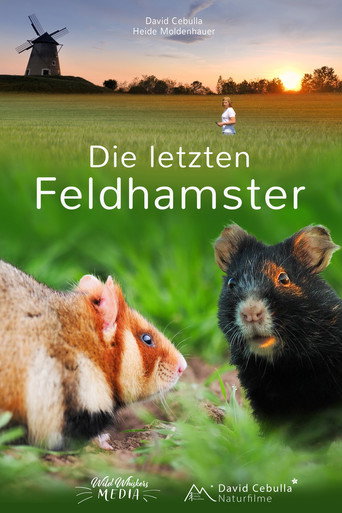
The Last Common Hamsters
2025
For almost three years, nature filmmaker and ecologist David Cebulla has been observing wild Common hamsters. He not only tries to learn more about the species, but also documents why hamsters are globally threatened with extinction. David travels from the western border of the distribution area in France via Germany, Poland, Austria and Hungary to the eastern border of the distribution area in the Kazakh steppe. In the process, he manages to capture some unique and fantastic images. But during the project, it becomes increasingly difficult to find animals living in the wild.
More info →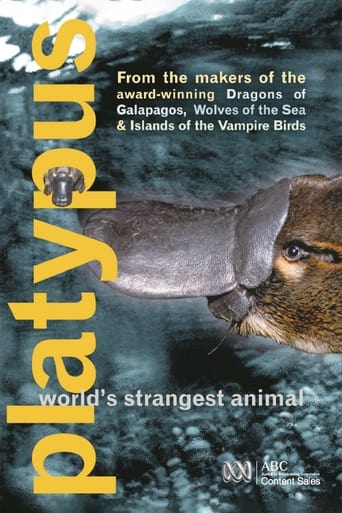
Platypus: World's Strangest Animal
2003 · ★ 9
One of only two living mammals to lay eggs, the platypus has baffled and inspired the scientific community for hundreds of years. Three years in the making, this stunning natural history film takes us down the East Coast of Australia to the many serenely beautiful habitats of the platypus. Technology specially created for this film captures images from inside the nesting chamber of a wild platypus, and records the extraordinary sounds of the mother suckling her offspring. We watch as they grow from newborns to adulthood. Join renowned documentary makers David Parer and Elizabeth Parer-Cook (Dragons of Galapagos, Wolves of the Sea) on this fascinating journey from the rainforests of Queensland to the frozen mountains of Tasmania, as they reveal new insights into this mysterious creature.
More info →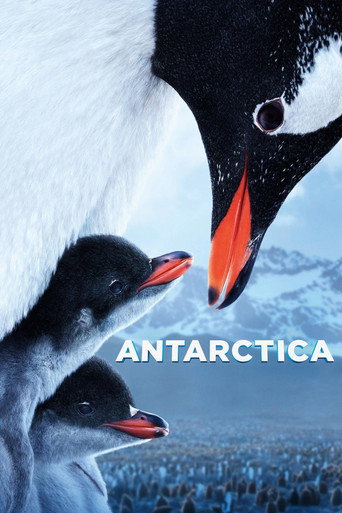
Antarctica
2020 · ★ 6.3
Antarctica is the most extreme continent on our planet—higher, colder, and even drier than any other on Earth, and although it is thousands of miles away, what happens here affects every single one of us.
More info →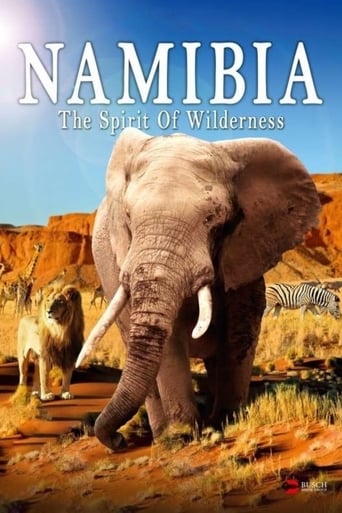
Namibia: The Spirit of Wilderness
2016 · ★ 6.8
With more than 300 days a year, the sun dominates this country so much that it’s even shining from their flag. It’s a barren land, sometimes it’s like it’s from another planet but still familiar. It is land of contrasts and colours with wide landscapes and fascinating deserts. Influenced by various cultures during colonization and now reborn from the shadows of Apartheid in 1990, Namibia gives a beautiful collage of culture, language, art, music and food. Everyone who loves an adventure should travel to Namibia, the precious corner of our world full of incredible natural wonders. The experience of endless landscapes and an unparalleled blaze of colour make Namibia unforgettable. NAMIBIA – THE SPIRIT OF WILDERNESS invites you on a trip whose fascination will never let you go: From the Namib Desert over the breath-taking Fish River Canyon to the spectacular Etosha National Park where you will see wild elephants, antelopes, giraffes, zebras and lions.
More info →
Wild Animals of Virginia
1967
The film "Wild Animals of Virginia" explores the diverse wildlife inhabiting Virginia's forests, fields, and waterways. It highlights various species such as chipmunks, squirrels, woodchucks, beavers, muskrats, minks, otters, raccoons, elk, white-tailed deer, cottontail rabbits, foxes, black bears, opossums, bobcats, and skunks. The documentary emphasizes the natural laws governing these animals, their habitats, diets, and behaviors, while also touching on their historical significance and interactions with early settlers.
More info →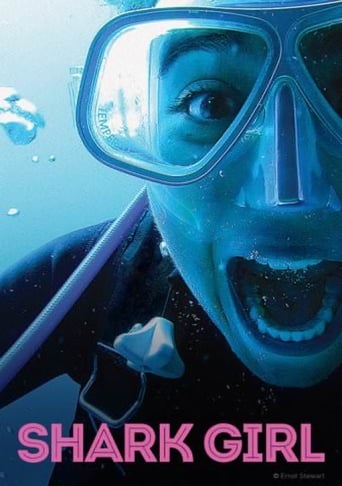
Shark Girl
2014 · ★ 6
For 20-year-old Madison Stewart, nothing feels safer or more natural than diving straight into shark-infested waters. Since childhood, growing up by the Great Barrier Reef, she's treated these predators as family. But they're vanishing from existence, and because of their bad reputation, few people seem to care. Follow Madison on her mission to protect our sharks, a battle that began when she put her studies on hold, grabbed a camera, and set out to save these incredible, misunderstood creatures.
More info →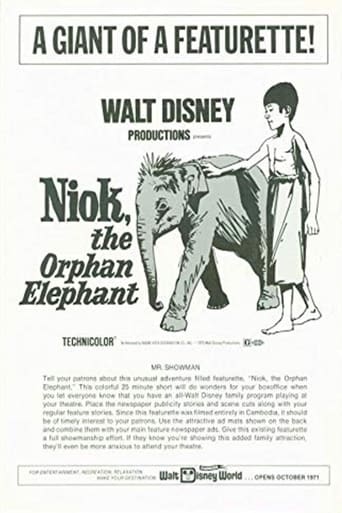
Niok, The Orphan Elephant
1957 · ★ 8
Near the region of Angkor Watt, a group of children capture a baby elephant and are just growing attached to it when it is sold to a travelling safari. Pursuing the new owner, a boy manages to steal it back, and the children free it to return to its mother.
More info →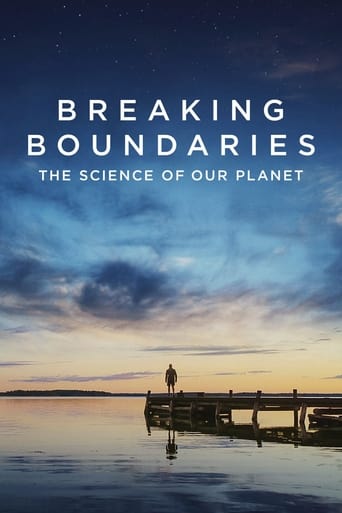
Breaking Boundaries: The Science of Our Planet
2021 · ★ 7.5
David Attenborough and scientist Johan Rockström examine Earth's biodiversity collapse and how this crisis can still be averted.
More info →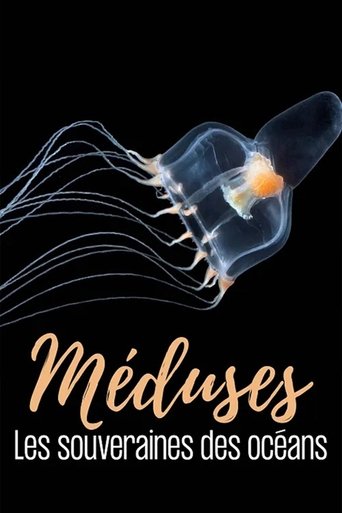
Jellyfish, The new Rulers of the Ocean
2026
Jellyfish blooms are making headlines around the world. This is due to the damage they cause to tourism, fishing and our health. How can these creatures, which are over 98% water and have no shell, skeleton or brain, expand so rapidly? Although this is a normal stage in the life cycle of these gelatinous animals, we have to admit that blooms have become much more frequent and massive in recent decades. We're even witnessing jellyfish populations appearing in more and more regions where fish have been replaced by them, such as off the coast of Namibia, in the Black Sea, in the Sea of Japan and in certain areas of the Baltic Sea. What causes this? Why has the role of jellyfish in the ocean been underestimated, even though they outlived the dinosaurs? Are jellyfish on their way to dominating the oceans as they once did? What if they were to be the only ones left?
More info →